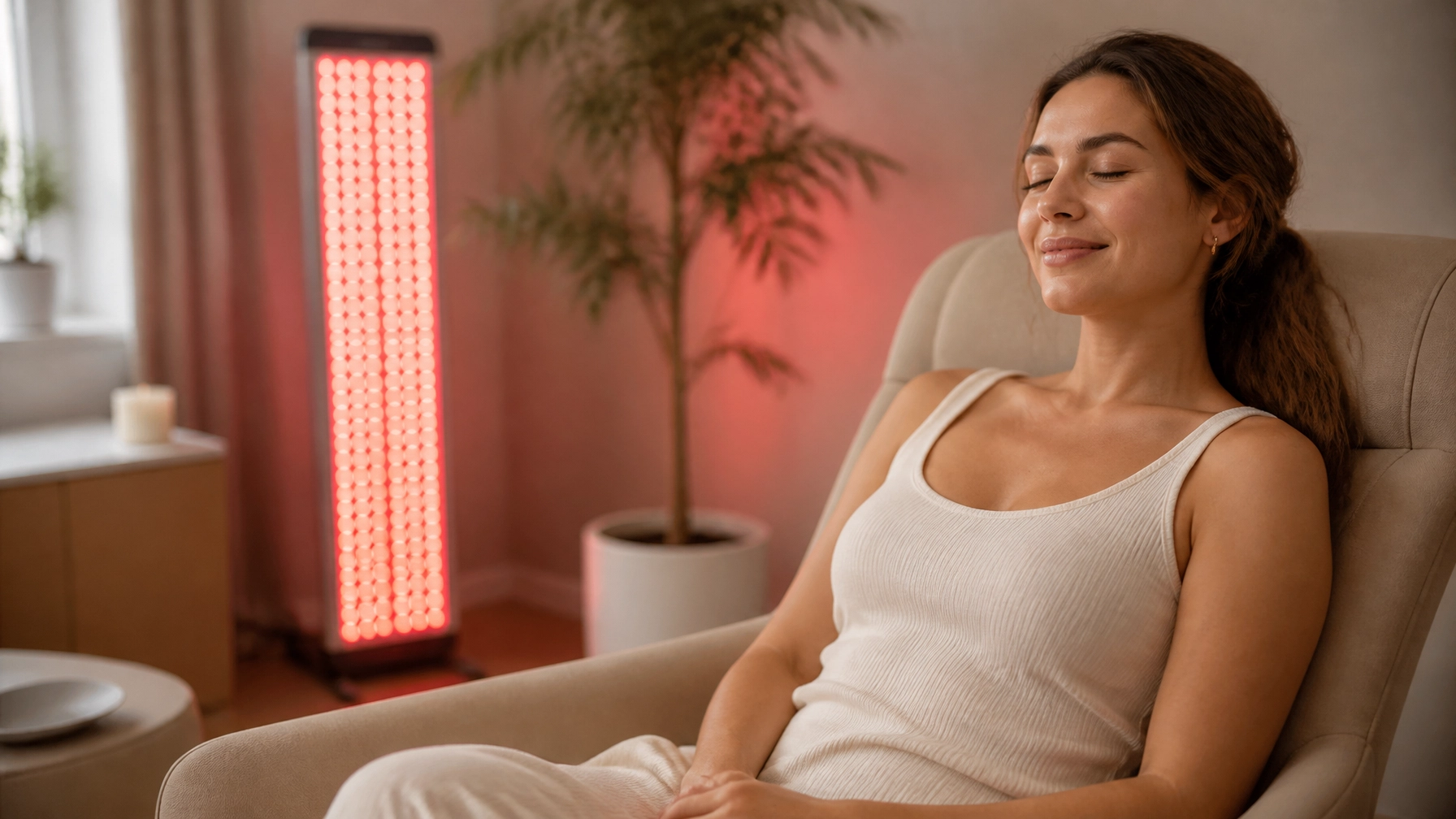
If you’ve been scrolling through wellness trends lately, you’ve probably seen the glowing red panels and masks popping up everywhere. From high-end spas in downtown Edmonton to home setups, red light therapy (RLT) is having a major moment. But with all the hype comes a very fair question: Is this actually safe for my skin?
We’ve all been taught to be wary of light. We slather on SPF to hide from the sun’s UV rays and wear blue-light glasses to protect our eyes from screens. So, sitting in front of a giant red light might feel a bit counterintuitive.
The short answer? No, red light therapy is not "bad" for your skin, in fact, for most people, it’s quite the opposite. But like any wellness tool, there’s a right way to use it and a few things you should know before you dive in.
Let’s break down the science, the safety, and the truth about what that red glow is actually doing to your cells.
What is Red Light Therapy, Anyway?
Before we talk about safety, we have to understand what we’re actually looking at. Red light therapy, also known as photobiomodulation (PBM), uses specific wavelengths of red and near-infrared (NIR) light.
Unlike the sun, which emits a broad spectrum of light including harmful ultraviolet (UV) rays, RLT focuses on a very narrow range. Usually, this is between 630–660 nanometers (red light) and 810–850 nanometers (near-infrared light).
These wavelengths are special because they can penetrate the skin without causing damage. Once they get inside, they interact with your mitochondria, the "powerhouses" of your cells. According to research highlighted by the Cleveland Clinic, this process helps your cells produce more energy (ATP), which allows them to repair themselves and function more efficiently.
Think of it like photosynthesis for humans. You aren't getting a tan or a burn; you’re giving your cells a tiny, energetic "recharge."

The Big Concern: Red Light vs. UV Light
The most common worry we hear at Wave Therapy is whether red light causes skin cancer or sun damage.
The answer is a definitive no.
Skin damage and cancer are primarily caused by UV radiation (UVA and UVB). UV rays have a very short wavelength and high energy, which allows them to damage the DNA in your skin cells. This leads to sunburns, premature aging, and an increased risk of melanoma.
Red light therapy does not use UV wavelengths. It is a "cool" therapy, meaning it doesn't use heat to create a reaction, and it doesn't have the energy required to damage DNA. In fact, many people use RLT specifically to repair the damage caused by the sun. According to Healthline, RLT is widely considered a safe, non-invasive alternative to more aggressive laser treatments or chemical peels.
Are There Any Side Effects?
While it’s generally safe, RLT isn't "magic water", it is a biological intervention. Some people may experience mild, temporary side effects, especially if they have very sensitive skin or are new to the therapy.
1. Temporary Redness (Erythema)
Immediately after a session, you might notice a slight flush to your skin. This isn't a burn; it’s actually a sign of increased blood flow to the area. It usually fades within an hour.
2. Mild Irritation or Dryness
If you use a high-powered panel for too long or sit too close, your skin might feel a little dry or tight. This is usually a sign of "over-dosing" the light. Like a workout, more isn't always better.
3. Eye Sensitivity
This is the one area where RLT can actually be "bad" if you aren't careful. The light is incredibly bright, especially the near-infrared wavelengths which you can't even see. Looking directly into the LEDs for an extended period can cause eye strain or headaches.

Who Should Be Careful?
While most Edmontonians can benefit from a session at Wave Therapy, there are a few groups who should check with a doctor first:
- People with Photosensitivity: If you have a condition like Lupus or are taking medications that make you sensitive to light (like certain antibiotics or Accutane), RLT might cause a reaction.
- Hyperpigmentation and Melasma: For those with darker skin tones or melasma, some studies suggest that high-intensity light (even red light) can sometimes trigger more pigment production. It’s best to start with shorter sessions to see how your skin reacts.
- Pregnancy: While there’s no evidence that RLT is harmful during pregnancy, there haven't been enough long-term studies to give it a 100% green light. We always recommend chatting with your OBGYN first.
The Benefits: Why People Love It
So, if it's not bad for your skin, what makes it good? The list of benefits for skin health is growing every year as more clinical trials are published.
Collagen Production
Collagen is the protein that keeps our skin bouncy and wrinkle-free. As we age, we produce less of it. Red light therapy has been shown to stimulate fibroblasts, which are the cells responsible for making collagen. This helps smooth out fine lines and improve skin texture over time.
Reducing Inflammation
Whether you're dealing with acne, rosacea, or even minor wounds, red light helps calm the "fire" in your skin. By reducing inflammation, it allows the skin to heal faster and stay clearer.
Better Circulation
By boosting blood flow, RLT ensures that your skin cells are getting the oxygen and nutrients they need to look vibrant. This is why many people report a "glow" after just a few sessions.

What to Expect at a Wave Therapy Session
If you’re ready to try it out, the experience at a professional studio is quite different from using a small handheld device at home.
At Wave Therapy, we use advanced, full-body systems that ensure you’re getting the right "dose" of light across your entire body. When you come in for a session in Edmonton, here’s what you can expect:
- A Calm Environment: You’ll be in a private, relaxing room.
- Safety First: We provide specialized eye protection to ensure your eyes are shielded from the brightness.
- Quick and Easy: Most sessions last between 10 to 20 minutes. You won't feel pain, just a gentle, soothing warmth.
- No Downtime: You can head straight back to work or out for dinner right after. There’s no peeling, no needles, and no recovery time.
Most of our clients see the best results after 4–8 sessions, as the cellular changes take a little time to reflect on the surface of the skin.

Practical Takeaways for Your Skin
If you're considering adding red light to your wellness routine, keep these tips in mind:
- Consistency is Key: Think of RLT like going to the gym. One session is great, but the real skin-transforming benefits come from regular use.
- Don't Overdo It: Stick to the recommended times. Staying under the light for an hour won't give you 4x the results; it might just irritate your skin.
- Hydrate: Since the therapy boosts cellular metabolism, keeping your skin and body hydrated helps support the healing process.
Final Thoughts
Is red light therapy bad for your skin? The truth is that when used correctly, it is one of the safest and most effective ways to support your skin’s natural healing processes. It isn't a "miracle cure," but it is a science-backed tool that helps your body do what it does best: repair and rejuvenate.
If you’re in the Edmonton area and want to see what full-body red light therapy can do for your skin, your mood, or your recovery, we’re here to help.
Explore our sessions and see if red light therapy is the right fit for your wellness journey.
FAQ: Common Questions About Red Light Therapy
Can red light therapy burn my skin?
No, professional red light therapy devices do not emit UV rays and do not get hot enough to burn the skin when used as directed.
Does it help with acne?
Yes, by reducing inflammation and promoting healing, red light can be a great addition to an acne treatment plan.
How often should I do it?
For skin benefits, most people see the best results with 3–5 sessions per week initially, then moving to a maintenance schedule.
Can I wear makeup during a session?
It’s best to have clean skin. Makeup, especially those with SPF, can block some of the light from penetrating your skin effectively.
Leave a Reply