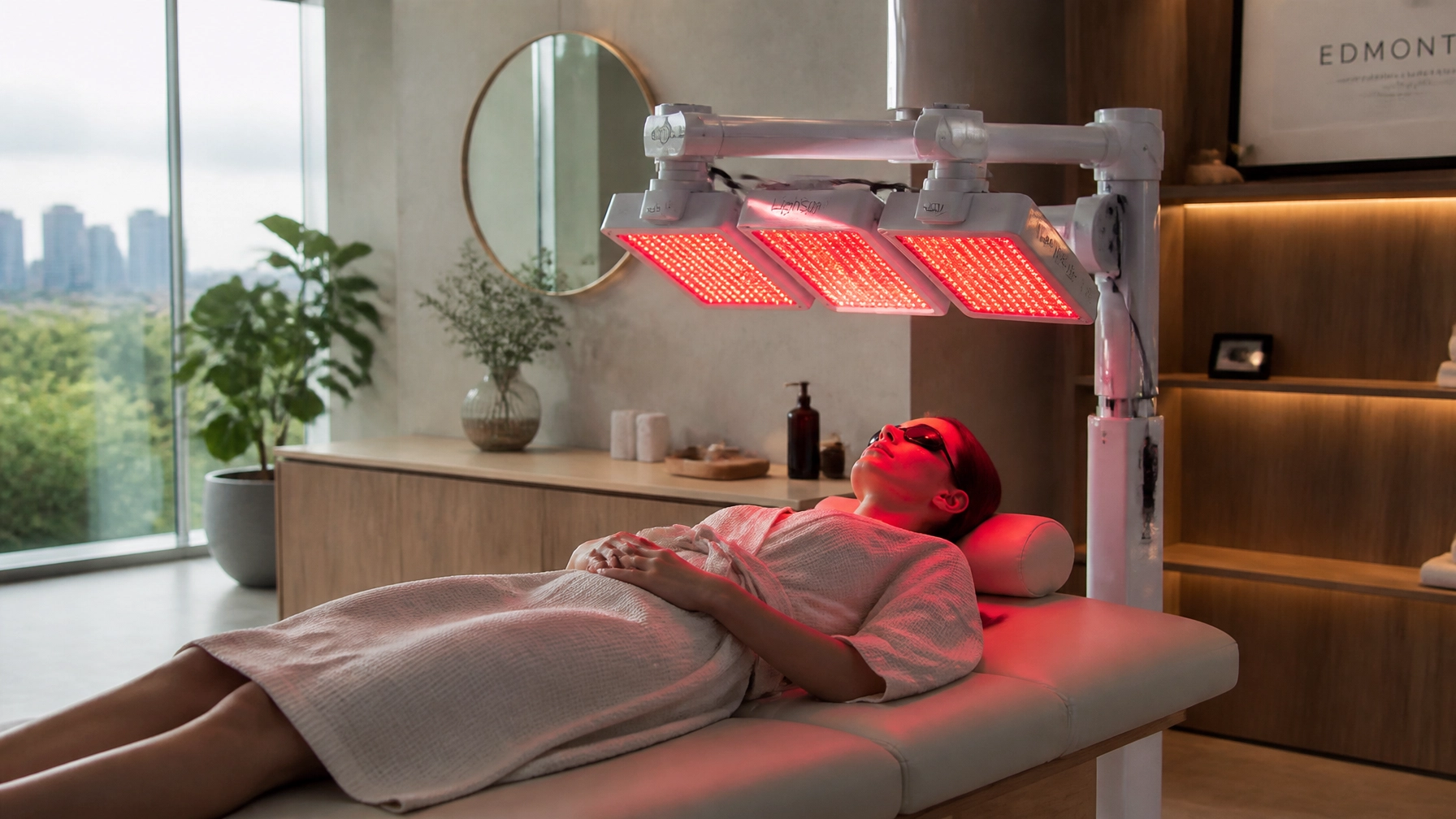
Red light therapy (RLT) has moved well beyond being a "wellness trend." In 2026, it is now a cornerstone of modern health routines for many Edmontonians. Whether you are looking to recover from a tough workout, manage joint discomfort, or simply maintain a healthy glow, the science behind photobiomodulation (the technical term for red light therapy) has never been more clear.
However, with popularity comes a lot of noise. It can be hard to separate the real clinical benefits from the social media hype. To help you navigate the landscape, we’ve gathered the ten most-searched questions of the year and answered them with the latest evidence from the Cleveland Clinic, the American Academy of Dermatology (AAD), and peer-reviewed studies.
1. Does red light therapy actually work?
Yes, but it depends on what you are trying to achieve. Red light therapy works at a cellular level. Specifically, low-level wavelengths of red and near-infrared light are absorbed by your mitochondria (the "powerhouses" of your cells).
According to research highlighted by Nature, this process boosts the production of ATP (cellular energy), which helps cells repair themselves and function more efficiently. It is particularly effective for skin rejuvenation, wound healing, and certain types of pain. It isn't a "magic cure-all," but for the specific conditions it is designed for, the science is robust.
2. How long does it take to see results?
Patience is key. Unlike a topical cream that might provide a temporary surface-level glow, red light therapy is working from the inside out.
- For skin health: Most people notice a difference in skin texture and tone within 4 to 8 weeks of consistent use.
- For pain relief: Some users feel a reduction in inflammation and muscle soreness within 1 to 3 sessions.
- For hair growth: This requires the most time, often taking 3 to 6 months to see visible density changes.

For a deeper dive into how different light depths affect your body, check out our comprehensive wavelengths guide.
3. Can it really help with weight loss and fat reduction?
This is one of the most debated topics in 2026. While some studies suggest that red light can temporarily "poke holes" in fat cells, allowing them to release their contents, the Cleveland Clinic notes that there is currently no conclusive scientific evidence that RLT alone leads to significant, long-term weight loss.
At Wave Therapy, we view it as a supportive tool. It may help with "body contouring" or reducing the appearance of cellulite when paired with a healthy lifestyle, but it is not a replacement for nutrition and movement.
4. Does it actually help with hair regrowth?
Absolutely. This is one of the best-supported uses for red light therapy in 2026. The American Academy of Dermatology (AAD) recognizes that LED-based treatments can stimulate hair follicles, increasing both thickness and density for those with androgenic alopecia (pattern hair loss).

It works by extending the "growth phase" of the hair cycle. While it won't bring back follicles that have been dormant for years, it is highly effective at strengthening and maintaining existing hair.
5. Is it safe? Are there any side effects?
Red light therapy is non-invasive and FDA-approved for many uses. Unlike tanning beds, red light therapy does not use UV rays, so there is no risk of skin cancer or sun damage.
The most common side effect is a mild, temporary redness immediately after a session. However, it’s important to use the correct "dose." To learn more about how to use RLT safely, visit our Skin Safety Blog.
6. How often should I use it?
Consistency matters more than intensity. For most goals, we recommend:
- Initial Phase: 3–5 sessions per week for the first month.
- Maintenance Phase: 1–2 sessions per week once you’ve reached your goals.
Sessions usually last between 10 and 20 minutes. Overusing the light doesn't necessarily lead to better results, your cells can only absorb so much energy at once!
7. Does it help with joint pain and arthritis?
Yes, and this is why many of our Edmonton clients visit us. Red light therapy is highly effective at reducing inflammation, which is the primary cause of joint pain. NPR recently reported on how photobiomodulation is being used in clinical settings to manage symptoms of rheumatoid arthritis and fibromyalgia.

For those dealing with chronic discomfort, RLT can be a great drug-free alternative or supplement to other treatments. For a more detailed look, read our Joint Pain 101 guide. If you're new to the topic, our Edmonton FAQ blog is also a helpful place to start. If you're looking for manual therapy to complement your light sessions, we often recommend our friends at MassageQuest or booking a session via Bookatherapy.
8. At-home devices vs. professional sessions: Which is better?
The "at-home" market has exploded, but there is a significant difference in power.
- Professional Panels: These have much higher irradiance (power output), meaning they can penetrate deeper into tissues and cover more surface area in less time.
- At-Home Devices: Great for maintenance or spot-treating small areas, but they often lack the intensity needed for deep tissue recovery or systemic inflammation.

For more on choosing the right path, see our article on Safety and Side Effects.
9. Can it tighten skin and reduce cellulite?
Red light therapy stimulates the production of collagen and elastin: the proteins responsible for skin's firmness. While it won't "erase" cellulite entirely, it can significantly improve skin texture, making it appear smoother and tighter. This is why it’s a favorite for post-pregnancy recovery or for those looking to firm up skin after weight loss.
10. What's new in 2026?
The biggest shift this year has been the move toward "Precision Photobiomodulation." New clinical consensus reviews published in PubMed have led to the FDA allowing marketing for specific new indications, including the temporary relief of fibromyalgia pain and even support for dry age-related macular degeneration (under medical supervision).
We are also seeing more people in Edmonton integrate RLT into their "longevity" routines, using it not just to fix a problem, but to keep their cellular health at its peak.
Sources
- NPR: Red light therapy is everywhere. But does the science support the claims?
- Kansas City Star: Red light therapy is popular, but does it work? Experts explain the science
Practical Takeaways
- Target specific goals: Don't treat it as a "miracle." Use it for hair, skin, or pain where the science is strongest.
- Be consistent: You won't see changes overnight. Stick to a schedule for at least 8 weeks.
- Choose professional grade: For deep-seated issues like joint pain or muscle recovery, professional-strength equipment is usually necessary.
Red light therapy is a grounded, practical way to support your body's natural healing processes. If you're curious about how it might work for your specific needs, we're here to help you explore the options.
Learn more about our sessions or Explore our Edmonton services when you’re ready to start your journey.
Leave a Reply