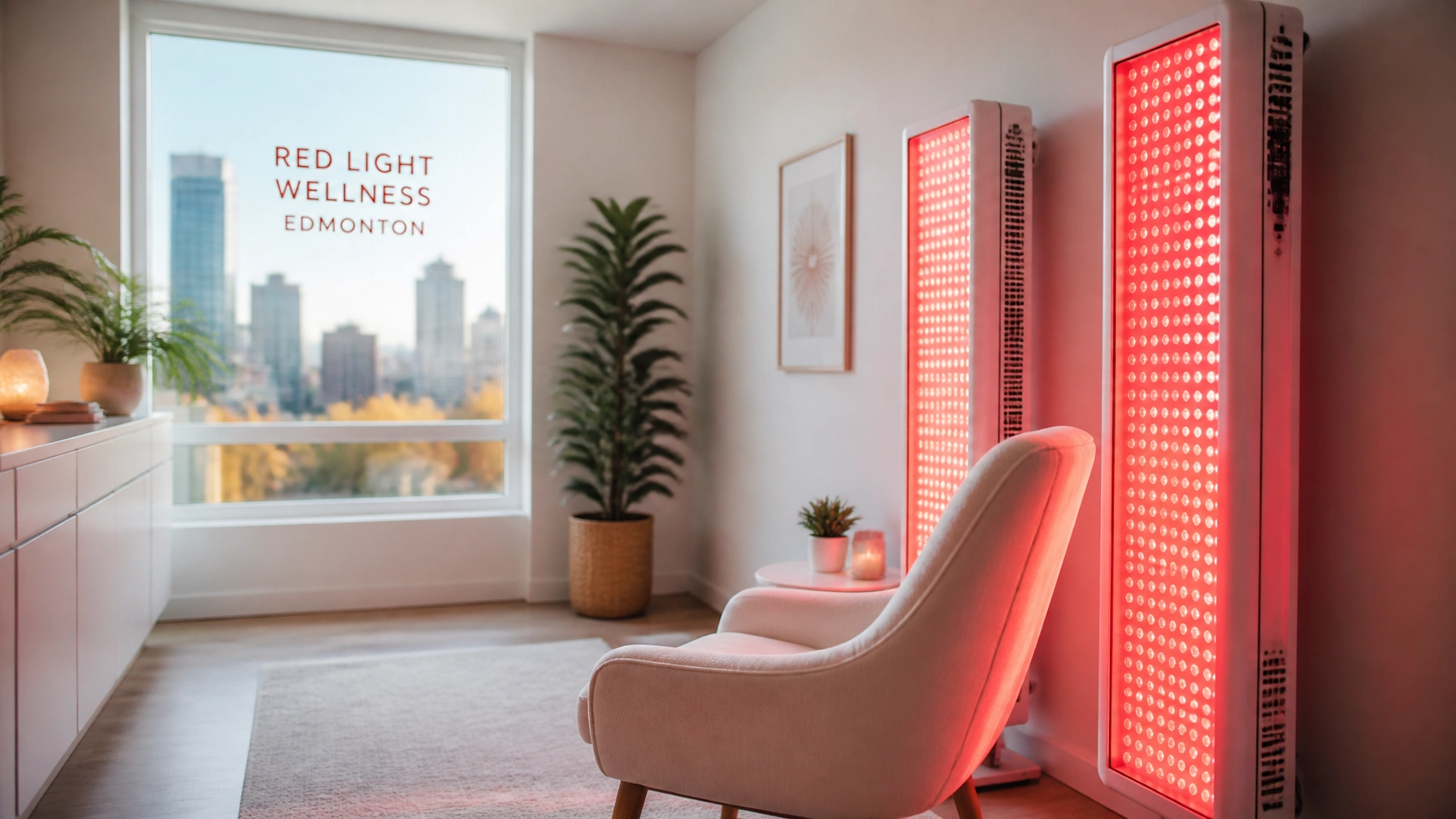
By now, you’ve likely seen the red glow through a neighbor's window or noticed the sleek LED panels appearing in local Edmonton gyms and wellness centers. In 2026, red light therapy (RLT) has officially moved from a "fringe biohack" to a fundamental pillar of modern health. Whether you're looking for skin rejuvenation treatments, faster muscle recovery therapy, or natural pain relief therapy, red light is the tool of choice for health-conscious individuals.
But as the technology becomes more accessible, the questions have changed. We’re no longer asking "what is it?", we’re asking "how do I get the most out of it?" If you’re wondering how often to step into the glow or how long it takes to actually see a difference in the mirror, this guide is for you.
Does Red Light Therapy Actually Work?
It’s the most common question we hear at Wave Therapy: is this just fancy lighting, or is there science behind it?
The short answer is yes: but the "how" is what matters. Red light therapy works through a process called photobiomodulation. When specific wavelengths of light hit your skin, they penetrate deep into the cells to reach the mitochondria (the powerhouses of your cells). This stimulates the production of Adenosine Triphosphate (ATP), which is essentially the fuel your cells use to repair themselves and function at their peak.
According to the Cleveland Clinic, RLT is increasingly recognized for its ability to reduce inflammation and promote healing. It isn’t a "miracle cure," but rather a biological "nudge" that helps your body do what it already does: just more efficiently. For a deeper dive into the common myths, check out our previous post on answering the top 10 questions about red light therapy.
What Wavelengths Matter Most in 2026?
Not all light is created equal. To get the benefits of collagen stimulation therapy or deep tissue healing, you need the right "recipe" of light. In 2026, the industry has standardized around two primary bands of light:
- Visible Red Light (630–670 nm): This is the light you can see. It is perfect for surface-level concerns like fine lines, acne, and overall skin tone. This is the "gold standard" for skin rejuvenation treatments.
- Near-Infrared Light (810–850 nm): This light is invisible to the human eye but penetrates much deeper: reaching muscles, nerves, and even bone. This is the primary driver for infrared light therapy aimed at joint pain and recovery.
At Wave Therapy, we use multi-wavelength systems that combine these bands, ensuring you get both the surface glow and the deep-tissue repair in every session.

How Long Does It Take to See Results?
We live in a world of instant gratification, but biological change takes time. Think of red light therapy like a workout routine or a healthy diet: consistency is the secret ingredient.
- Pain and Inflammation: Many clients feel a subtle "loosening" or reduction in joint stiffness after just one or two sessions. However, for chronic conditions, a consistent 2-week period is usually where the magic happens.
- Skin Improvement: Since skin cells take about 28 to 40 days to turn over, you should expect to see visible changes in texture and "glow" around the 4 to 6-week mark.
- Muscle Recovery: Athletes using RLT for muscle recovery therapy often notice reduced soreness within 24 hours of a session, helping them get back to training faster.
- Fat Loss Support: When used as part of a holistic wellness plan, fat reduction results are typically measured over an 8 to 12-week window.
How Often and How Long Should You Use It?
The "dose" makes the therapy. In 2026, research from sources like Healthline suggests that more is not always better. Your cells can only absorb so much energy at once.
- Frequency: For most people, 3 to 5 sessions per week is the "sweet spot." This gives your cells a consistent boost without overstimulating them.
- Duration: A typical session lasts between 10 and 20 minutes. If you are using a high-powered professional panel, 10 minutes is often plenty.
- Distance: For skin benefits, being about 6–12 inches away is ideal. For deeper muscle recovery, you may want to be closer to the light source to maximize penetration.
If you're just starting out, we always recommend beginning with shorter sessions and gradually increasing as your body acclimates to the increased cellular energy.

Are There Side Effects? (Is It Safe?)
Red light therapy is non-invasive, non-thermal (it doesn't burn), and FDA-cleared. It does not contain harmful UVA or UVB rays, so there is no risk of tanning or skin cancer.
That said, there are a few safety protocols to keep in mind:
- Eye Protection: While red light isn't "toxic" to your eyes, the intensity of professional LEDs can be very bright. We always provide blackout goggles to ensure your comfort and safety. You can learn more in our guide to eye safety and red light therapy.
- Skin Sensitivity: If you are using photosensitizing medications (like some acne creams or antibiotics), consult your doctor first.
- Clean Skin: For the best results, come to your session with clean, dry skin. Lotions and sunscreens can block the light from penetrating effectively.
Integrating Red Light into Your Edmonton Wellness Routine
Red light therapy doesn't have to exist in a vacuum. In fact, it works beautifully alongside other recovery modalities. Many of our clients in Edmonton find that a session of infrared light therapy is the perfect follow-up to a deep tissue massage.
If you’re looking to pair your light therapy with world-class bodywork, we highly recommend checking out our friends at MassageQuest or our sister company BookATherapy for convenient massage bookings. Combining these treatments can significantly accelerate muscle recovery therapy and improve your overall sense of well-being.

Practical Takeaways for 2026
- Focus on the Window: Ensure your device or provider uses 660nm and 850nm wavelengths.
- Be Patient: Give yourself at least 4-8 weeks of consistent use before judging your results.
- Stay Consistent: 3-5 times a week is the gold standard for long-term benefits.
- Listen to Your Body: If you feel exceptionally tired or overstimulated, dial back the frequency.
Red light therapy is one of the few wellness tools that is backed by thousands of peer-reviewed studies and carries almost zero risk. It’s an investment in your cellular health that pays dividends in how you look, feel, and move.
If you're ready to see what the glow can do for you, we’re here to help. At Wave Therapy, we offer professional-grade systems designed to help you reach your goals: whether that's pain relief therapy, collagen stimulation therapy, or just a moment of calm in a busy week.
Explore sessions at Wave Therapy and start your journey to better health today.
Leave a Reply