As we move through 2026, the wellness landscape in Edmonton has shifted. More people than ever are looking for ways to support their health that don't involve invasive procedures or harsh chemicals. Here at Wave Therapy, we’ve seen a massive surge in interest surrounding red light therapy (also known as photobiomodulation).
While the technology has become a staple for everything from skin rejuvenation treatments to muscle recovery therapy, it’s natural to have questions. Science moves fast, and keeping up with the latest clinical findings is part of our commitment to you.
In this guide, we’re diving deep into the three most common questions Edmontonians are asking this year. Whether you’re curious about safety during a major life milestone like pregnancy, managing a complex condition like lupus, or simply wondering when you’ll start seeing that "glow" in the mirror, we have the answers grounded in science.
1. Is Red Light Therapy Safe During Pregnancy?
This is perhaps our most-asked question. Pregnancy is a time of hyper-awareness: you’re careful about what you eat, how you move, and what treatments you seek out for your body.
The Current Scientific Consensus
According to experts and clinical reviews through 2026, red light therapy is generally considered a low-risk, non-invasive option. Unlike UV light, which can be damaging, red and infrared light therapy use low-level wavelengths that don't produce heat or cause DNA damage.
However, because clinical trials rarely include pregnant women for ethical reasons, the medical community remains "cautiously permissive." As noted by sources like the Cleveland Clinic, while there is no evidence of harm, there is also a lack of massive, long-term studies specifically on the abdomen during pregnancy.
Practical Guidelines for Expecting Moms in Edmonton
If you are pregnant and looking for relief from common discomforts like joint pain relief or swelling, here is how the 2026 guidelines suggest you proceed:
- Avoid the Abdomen: The general rule of thumb is to avoid direct light exposure over the uterus. While the light doesn't penetrate deeply enough to reach a developing baby, we prefer to err on the side of caution.
- Localized Treatment is Key: Many women find RLT incredibly helpful for lower back pain, swollen ankles, or facial skin changes (the "mask of pregnancy"). Using RLT on these peripheral areas is widely considered safe.
- Consult Your OB-GYN: This is non-negotiable. Every pregnancy is unique. Before visiting us at Wave Therapy, bring the device specifications to your doctor to ensure it aligns with your specific health profile.
- Postpartum Benefits: Many of our clients wait until after delivery to use RLT, where it excels at accelerating wound healing (especially post-C-section) and supporting skin elasticity.

2. Can Red Light Therapy Help with Autoimmune Conditions Like Lupus?
Lupus and other autoimmune conditions are complex. Because lupus often involves "photosensitivity": where light can actually trigger a flare-up: many people are hesitant about any form of light therapy.
Understanding Photosensitivity vs. Red Light
It is important to distinguish between the types of light. UV light (sunlight) is a well-known trigger for lupus flares. Red light therapy, however, uses wavelengths in the 630nm to 850nm range, which do not contain UV rays.
Research published on platforms like PubMed suggests that photobiomodulation can actually help reduce systemic inflammation by optimizing mitochondrial function. For someone with an autoimmune condition, this could theoretically mean better energy levels and reduced joint pain relief.
The "Proceed with Caution" Rule
While the science is promising, lupus is a special case.
- The Risk of a Flare: Some individuals with systemic lupus erythematosus (SLE) are sensitive not just to UV, but to visible light as well. In rare cases, even red light could potentially trigger a skin reaction.
- The Inflammation Connection: For those whose lupus is well-managed and who don't have extreme light sensitivity, RLT may support pain relief therapy and reduce the oxidative stress that fuels autoimmune "brain fog."
- Work with Your Specialist: We always recommend that lupus patients consult their rheumatologist. If you get the green light, we typically suggest starting with very short sessions (3-5 minutes) to monitor how your body reacts before moving into full-length sessions.
If you’re looking for a holistic approach to managing autoimmune-related tension, we often suggest pairing your wellness routine with professional massage. Our partners at Massage Quest and our sister company Book a Therapy offer therapeutic treatments that complement the anti-inflammatory effects of red light beautifully.
3. How Long Does It Take to See Noticeable Results?
In a world of "instant results," red light therapy is a bit of a marathon, not a sprint. It works by changing your health at a cellular level, which takes time. Here is the typical timeline we see at Wave Therapy for various goals:
Immediate to 24 Hours: Muscle Recovery and Pain
If you’re a fitness enthusiast in Edmonton using RLT for muscle recovery therapy, you might feel the difference almost immediately. Increased blood flow and reduced lactic acid buildup mean less "DOMS" (delayed onset muscle soreness) the day after a heavy workout at the gym.
2 to 4 Weeks: Energy and Inflammation
Within a month of regular sessions (usually 3 times per week), most clients report a "lifting" of general stiffness. This is when the joint pain relief benefits really start to become consistent. You may notice you’re waking up feeling less "creaky" and have more sustained energy throughout the work day.
8 to 12 Weeks: Skin and Fat Loss
For those seeking skin rejuvenation treatments or non-invasive fat loss, patience is essential.
- Skin: Collagen production is a slow biological process. According to Healthline, it usually takes 8 to 12 weeks of consistent use to see a visible reduction in fine lines, wrinkles, and acne scarring.
- Fat Loss: When using RLT for fat reduction, the light helps "poke holes" in fat cells, allowing them to release their contents. This process, paired with a healthy lifestyle, typically shows measurable results in the 6-to-10-week mark.

What to Expect During Your Session at Wave Therapy
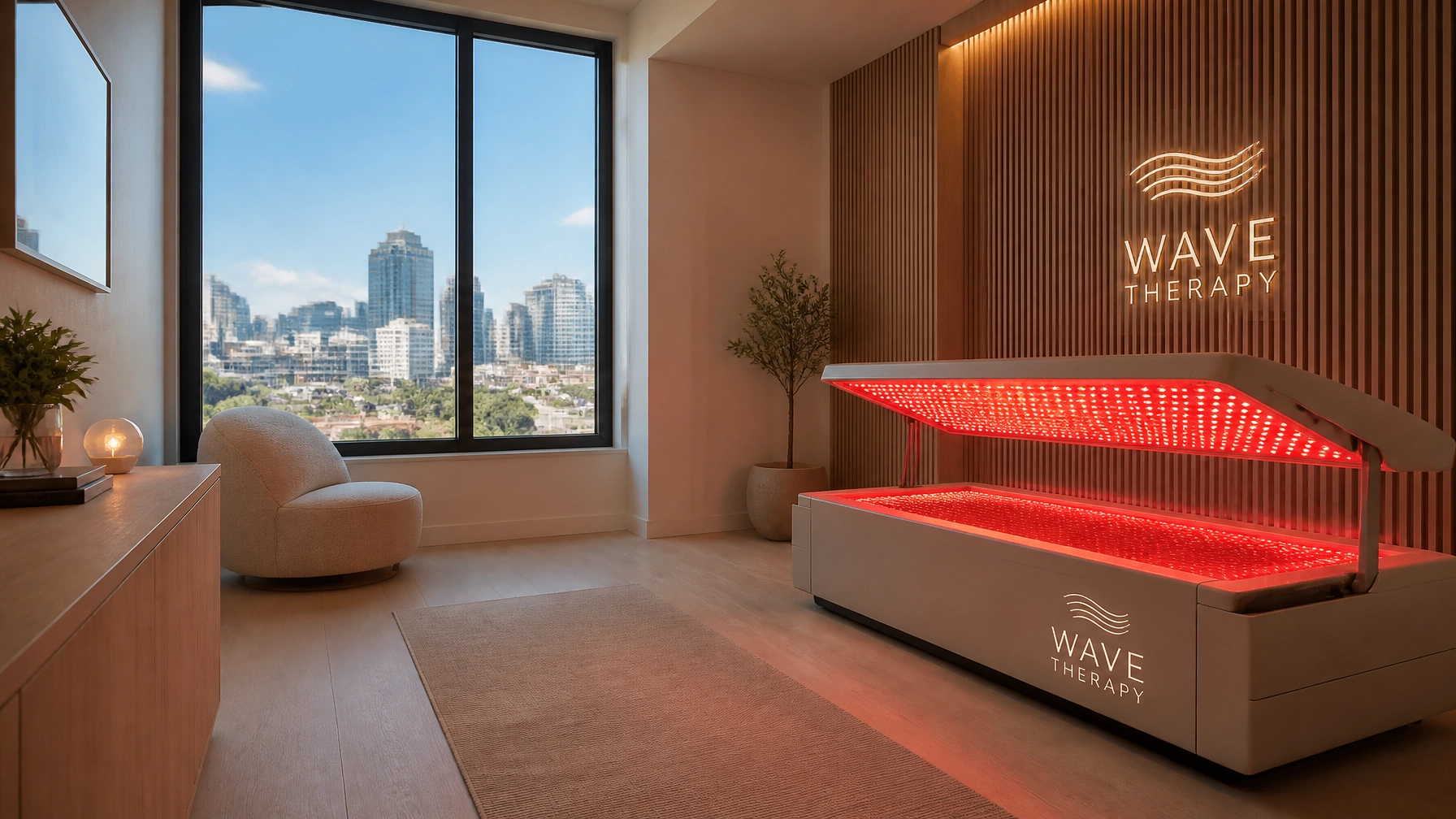
If you’ve never tried red light therapy before, the experience is incredibly relaxing. You’ll step into one of our private, modern rooms in Edmonton, where you’ll be exposed to the warm (but not hot) glow of our advanced LED systems.
Unlike other treatments that might leave you feeling drained, most people leave an RLT session feeling refreshed. There is no downtime, no redness, and no "recovery" needed. It’s a perfect midday break for a busy professional or a calming end to a long week.
Summary of Benefits:
- Non-invasive: No needles, no surgery, no downtime.
- Safe: FDA-approved and backed by decades of research.
- Versatile: Addresses everything from infrared light therapy for deep tissue to surface-level skin healing.

Ready to Start Your Wellness Journey?
Whether you’re looking to bounce back after a workout, improve your skin’s natural glow, or find a natural way to manage daily aches, red light therapy offers a science-backed path forward.
We invite you to experience the Wave Therapy difference right here in Edmonton. Education is our first priority, so if you have more specific questions about your health goals, our team is always here to chat.
Explore our sessions and see how red light can fit into your 2026 wellness routine. When you’re ready to complement your light therapy with the healing power of touch, don't forget to visit bookatherapy.com for the best massage services in the city.
Leave a Reply