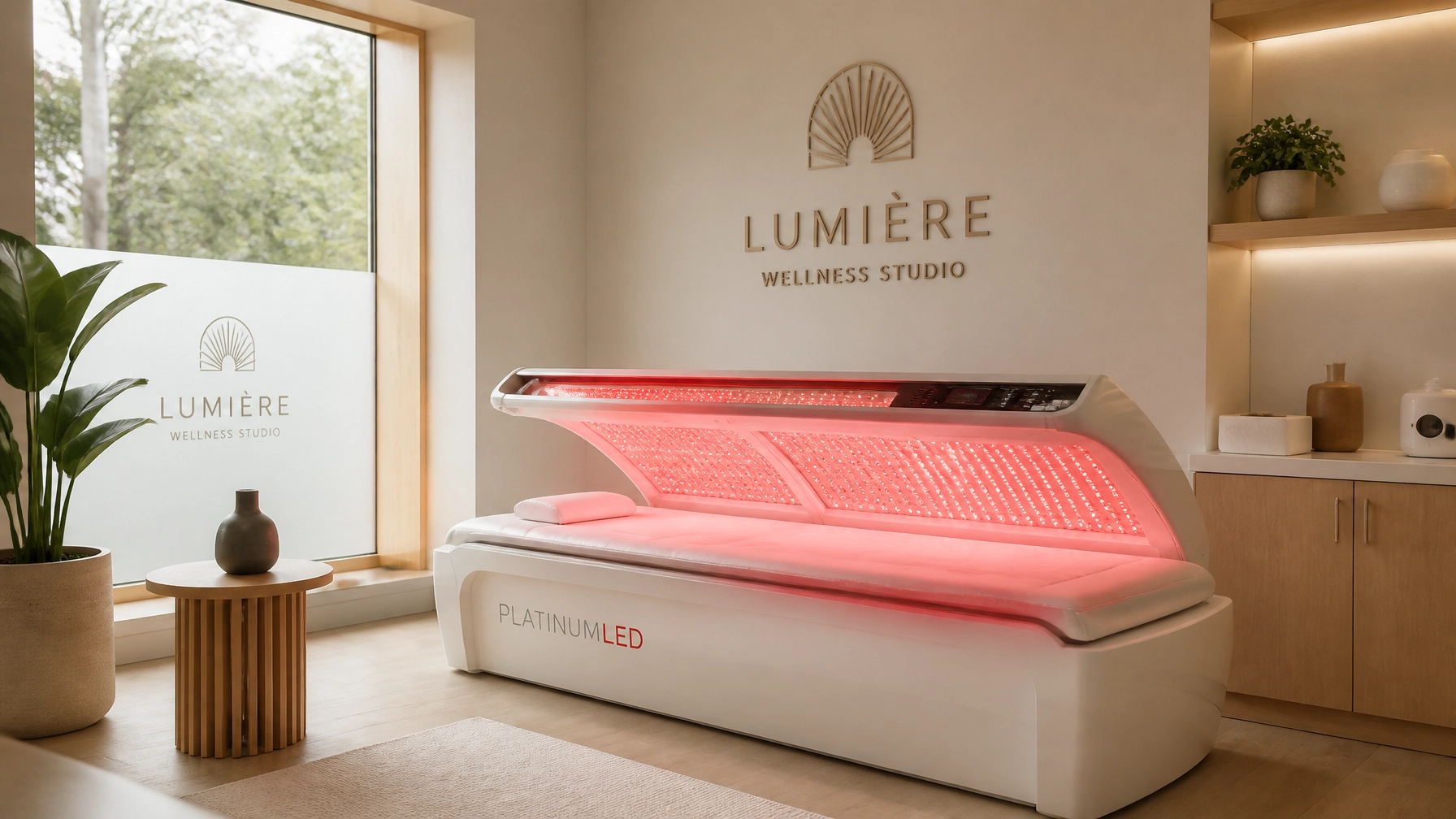
It’s July 2026, and if you’ve spent any time in the Edmonton wellness scene lately, you’ve likely heard the buzz about light. Not just any light: specifically, the deep, warm glow of Near-Infrared (NIR) and Red Light Therapy.
A few years ago, these "glowing beds" were seen as a niche luxury for biohackers or pro athletes. Fast forward to today, and they’ve become a staple for everyone from busy downtown professionals to retirees looking to stay active in the River Valley.
But with all the noise, it’s fair to ask: Does it actually matter? Or is this just another wellness trend destined to fade? At Wave Therapy, we believe the science has finally caught up to the hype. Let’s dive into why everyone is talking about infrared light in 2026 and what it actually does for your body.
The Science: Red vs. Near-Infrared Light
To understand why this therapy matters, we have to look under the skin. Most people use the terms "Red Light Therapy" and "Infrared Therapy" interchangeably, but in 2026, the distinction is where the real magic happens.

- Red Light (630–660nm): This wavelength is the "beauty" light. It doesn't travel very deep, but it’s incredibly effective at treating the surface of your skin. It stimulates collagen, reduces redness, and helps with surface-level wound healing.
- Near-Infrared Light (810–850nm): This is the "heavy lifter." These wavelengths are invisible to the naked eye, but they can penetrate up to 30mm deep into your body. This means they reach your muscles, nerves, and even your joints.
According to a 2024 JAAD CME review, these wavelengths work by targeting your mitochondria: the "powerhouses" of your cells. When your cells absorb this light energy, they produce more ATP (energy), which accelerates repair and reduces inflammation.
1. Chronic Pain and "The Edmonton Effect"
If you live in Edmonton, you know the toll our climate takes on the body. From the bone-chilling winters that make joints ache to the active summers spent hiking and biking, our bodies are constantly under stress.
In 2026, Near-Infrared therapy has become a go-to for pain management. Recent studies, including a 2025 systematic review, have shown that regular sessions can significantly reduce pain in conditions like:
- Osteoarthritis: Reducing stiffness in knees and hips.
- Neuropathy: Helping with that "pins and needles" feeling often associated with diabetes.
- Lower Back Pain: Relieving the deep muscle tension that comes from long commutes or desk jobs.
At Wave Therapy, we see many clients who use light therapy as a "warm-up" for their body. If you're already seeing a specialist at Massage Quest for deep tissue work, adding a red light session can actually help your muscles relax more deeply, making your massage even more effective.
2. The 2026 Glow: Skin Rejuvenation Without the Chemicals
We’ve moved past the era of aggressive chemical peels and invasive "tweakments." In 2026, the trend is biostimulation: helping your body fix itself.

Red light therapy is now a cornerstone of anti-aging because it naturally boosts collagen production. Unlike a topical cream that sits on top of your skin, the light penetrates the dermis to trigger actual structural changes.
- Fine Lines & Wrinkles: Regular sessions help "plump" the skin from the inside out.
- Acne & Scarring: By reducing inflammation, it helps clear breakouts faster and fades those stubborn post-acne marks.
- Skin Tone: It evens out redness and gives you that "rested" look, even if you’ve been pulling long hours at work.
3. Recovery and Performance: Why Athletes Swear By It
Whether you’re training for the Edmonton Marathon or just trying to stay consistent at the gym, recovery is your biggest bottleneck.

In 2026, the "weekend warrior" has access to the same tech as the pros. Using NIR light before a workout can improve circulation and muscle endurance. Using it after a workout helps clear out metabolic waste and reduces the dreaded "delayed onset muscle soreness" (DOMS).
It’s not just about muscles, either. Athletes are increasingly using light therapy to support sleep quality. By helping regulate your circadian rhythm, a session at Wave Therapy can help you fall into a deeper, more restorative sleep: which is when your body does its best repair work.
What to Expect at Wave Therapy
If you’ve never tried it, the experience is surprisingly simple and deeply relaxing. Unlike a tanning bed, there is no UV radiation, so you won't get a tan or a sunburn. It’s a "cold" light, though you might feel a gentle, soothing warmth from the systemic increase in circulation.
When you visit us in Edmonton, you’ll step into a private suite and relax in a full-body bed. A typical session lasts about 15 to 20 minutes. Most of our clients describe it as a "meditative" break in their day.
- Frequency: For chronic pain or skin goals, we usually recommend 2–3 sessions per week to start.
- Preparation: Just come as you are. For the best results, you want the light to hit your skin directly, so we provide a private space for you to change.
Is It Right For You?
While light therapy is incredibly safe and FDA-approved, it isn’t a miracle cure for everyone. It works best as part of a holistic lifestyle. If you’re already focusing on good nutrition and movement, this is the "force multiplier" that helps you see results faster.
If you’re ready to see what the glow is all about, you can explore our sessions or even book your first visit online. If you’re also looking for a comprehensive wellness plan that includes RMT, we highly recommend checking out our partners at Book A Therapy to round out your recovery routine.
The technology of 2026 has made it easier than ever to feel good in your own skin. Whether you're fighting off the Edmonton chill or just want to perform at your peak, infrared light therapy is a simple, non-invasive way to support your body's natural healing power.
Practical Takeaways for 2026
- Red Light is for the surface (skin, hair, scars).
- Near-Infrared (NIR) is for the deep stuff (joints, muscles, inflammation).
- Full-Body is better than handheld masks because it triggers a systemic anti-inflammatory response.
- Consistency is key. You wouldn't go to the gym once and expect a six-pack; your cells need regular "charging" to show lasting results.
Leave a Reply