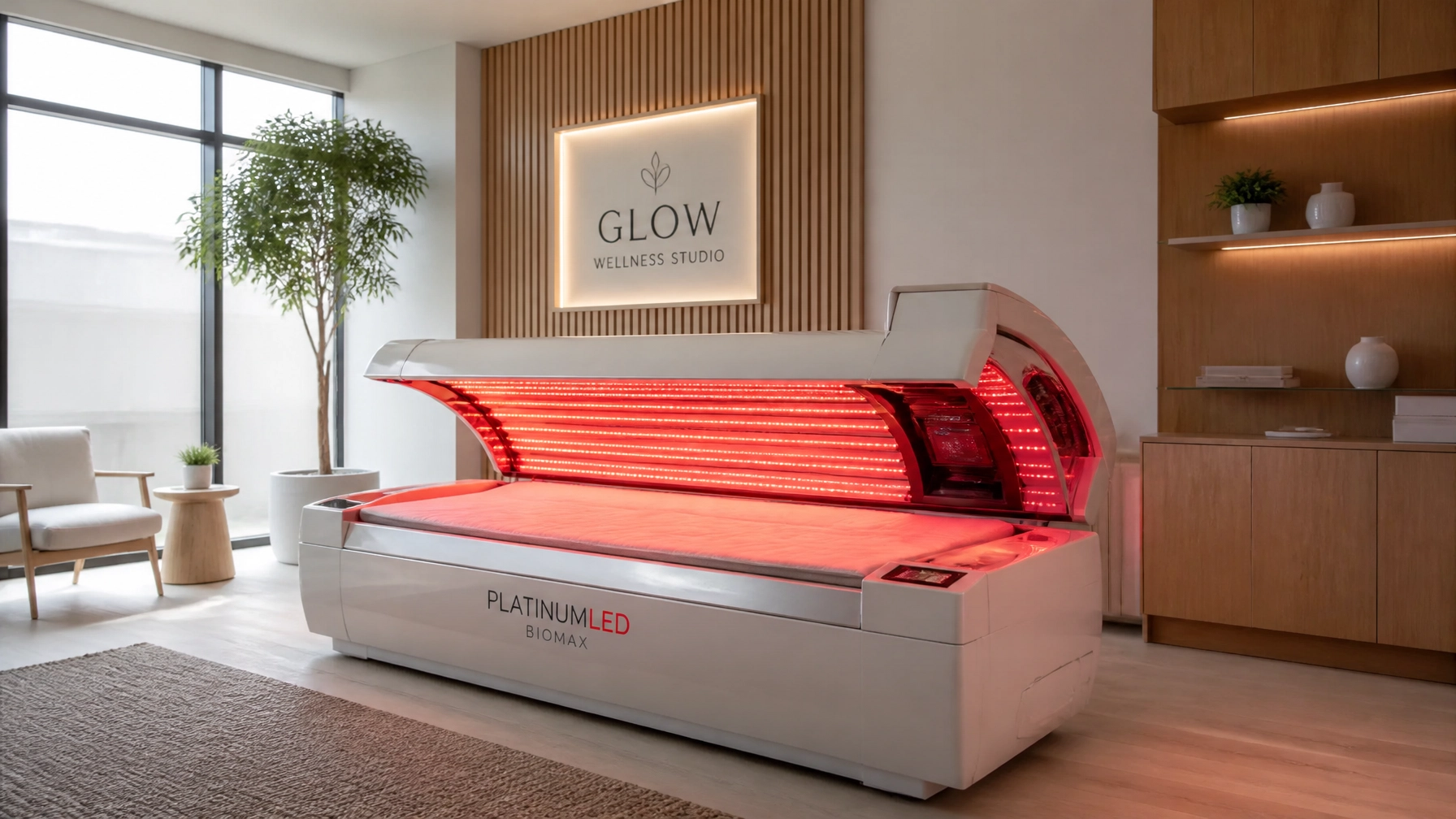
For many in the Edmonton wellness community, the last few years have brought a massive shift in how we look at chronic inflammation. By 2026, red light therapy (RLT): technically known as photobiomodulation: has moved from a "beauty secret" to a serious tool for managing systemic health.
One of the most frequent questions we hear at Wave Therapy is: "Is this safe for someone with an autoimmune condition?"
Whether you are navigating the daily challenges of Rheumatoid Arthritis (RA), Hashimoto’s, or the complex sensitivities of Lupus, understanding the intersection of light and biology is key. Let’s dive into the latest research and common questions surrounding red light therapy and autoimmune health.
What does the 2026 research say about RLT and autoimmune conditions?
The landscape of light therapy has matured significantly. In a landmark 2026 report by the American Medical Association (AMA), researchers highlighted that while RLT is not a "cure," it serves as a powerful immunomodulator. This means it doesn't just suppress the immune system (like many traditional medications); it helps "rebalance" the inflammatory response.
A deep-dive published in Nature/Scientific American earlier this year echoed this, showing that red and near-infrared light can significantly lower pro-inflammatory cytokines (the "alarm bells" of the immune system) while boosting anti-inflammatory markers. For people with chronic conditions, this suggests a potential reduction in systemic "flare" intensity.
How does red light therapy actually work for inflammation?
To understand the benefit, we have to look at the cellular level. When you sit in a full-body red light therapy session, the low-level wavelengths penetrate your skin and reach the mitochondria: the powerhouses of your cells.
- Energy Boost (ATP): The light helps mitochondria produce more ATP (energy), which gives your cells the fuel they need to repair damage.
- Oxidative Stress Reduction: It helps clear out cellular waste that builds up during chronic inflammation.
- Collagen & Repair: By stimulating collagen stimulation therapy, it supports the repair of connective tissues often targeted by autoimmune attacks.
If you’re wondering if this sounds a bit like science fiction, you aren't alone. We’ve explored the fundamental question, “Does Red Light Therapy Actually Work?” in our detailed guide on the biological mechanisms behind the glow.

Is Red Light Therapy safe for Lupus and photosensitivity?
This is the most critical question for the Lupus community. Many people with Systemic Lupus Erythematosus (SLE) are highly sensitive to UV light (the sun).
The Good News: Red light therapy uses specific wavelengths (usually 630nm to 850nm) that are non-UV. These wavelengths do not carry the same "burning" energy as the sun's ultraviolet rays.
The Precaution: While RLT is generally non-photosensitizing, everyone’s body is different. The 2026 consensus suggests that Lupus patients should:
- Start with very short, low-intensity sessions.
- Monitor their skin and systemic symptoms closely.
- Always consult their rheumatologist first, especially if they are on photosensitizing medications.
At Wave Therapy, we focus on a "slow and steady" approach for our clients with sensitive conditions to ensure the body responds positively without being overwhelmed.
Which autoimmune conditions show the strongest evidence for RLT?
While research is ongoing, certain conditions have shown remarkably consistent results with infrared light therapy:
Rheumatoid Arthritis (RA)
RLT is perhaps most famous for joint pain relief. By reducing inflammation in the synovial fluid of the joints, many clients report a significant reduction in morning stiffness and improved grip strength. If you are also using therapeutic massage to manage RA, our partners at Massage Quest often recommend RLT as a "warm-up" to help the muscles relax before deep tissue work.
Hashimoto’s Thyroiditis
Recent studies have looked at applying RLT directly to the thyroid area. Some preliminary 2026 data suggests it may help reduce the thyroid antibody count in some individuals by calming the local immune attack on the gland.
Psoriasis and Skin-Based Conditions
Because RLT is a leader in skin rejuvenation treatments, it is frequently used to calm the plaques and redness associated with psoriasis. It helps speed up the skin's natural healing cycle without the side effects of steroid creams.

What should I expect from a session at Wave Therapy?
If you’re in Edmonton and looking for pain relief therapy, your first session is all about comfort. Unlike clinical environments that can feel cold or intimidating, our space is designed for relaxation.
- The Environment: You’ll be in a private, warm room.
- The Feeling: Most people describe a gentle, soothing warmth (though the light itself isn't "hot"). It feels a bit like laying in a patch of soft sunlight.
- The Duration: Sessions typically last 10–20 minutes.
- The Integration: Many of our clients find that pairing RLT with restorative massage through Book a Therapy creates a comprehensive wellness routine that tackles both physical tension and internal inflammation.
Important Safety & Precautions
While we are huge advocates for the benefits of light, we believe in a "safety-first" philosophy. Just as we discuss in our post about Red Light Therapy Safety During Pregnancy, there are times when caution is necessary.
Who should be extra careful?
- Active Flares: If you are in the middle of a severe autoimmune flare, your body is already under high stress. It’s often best to wait until the "storm" passes before starting new treatments.
- Organ Transplants: If you take heavy immunosuppressants for a transplant, consult your doctor, as RLT can stimulate immune activity.
- Eyes: We always provide specialized eye protection. Even though the light is "red," it is very bright and concentrated.

The Takeaway: A Local Edmonton Approach to Wellness
Managing an autoimmune condition is a marathon, not a sprint. In 2026, we have more tools than ever to help manage the "background noise" of inflammation. Red light therapy offers a non-invasive, drug-free way to support your body’s natural healing processes.
If you’re curious about how RLT might fit into your specific health journey, we invite you to come in and chat. We’re proud to be a part of Edmonton's holistic health community, helping you feel a little more like yourself, one session at a time.
Ready to see how it feels?
Explore our sessions or stop by our Edmonton studio to learn more about our advanced red light systems.
Leave a Reply