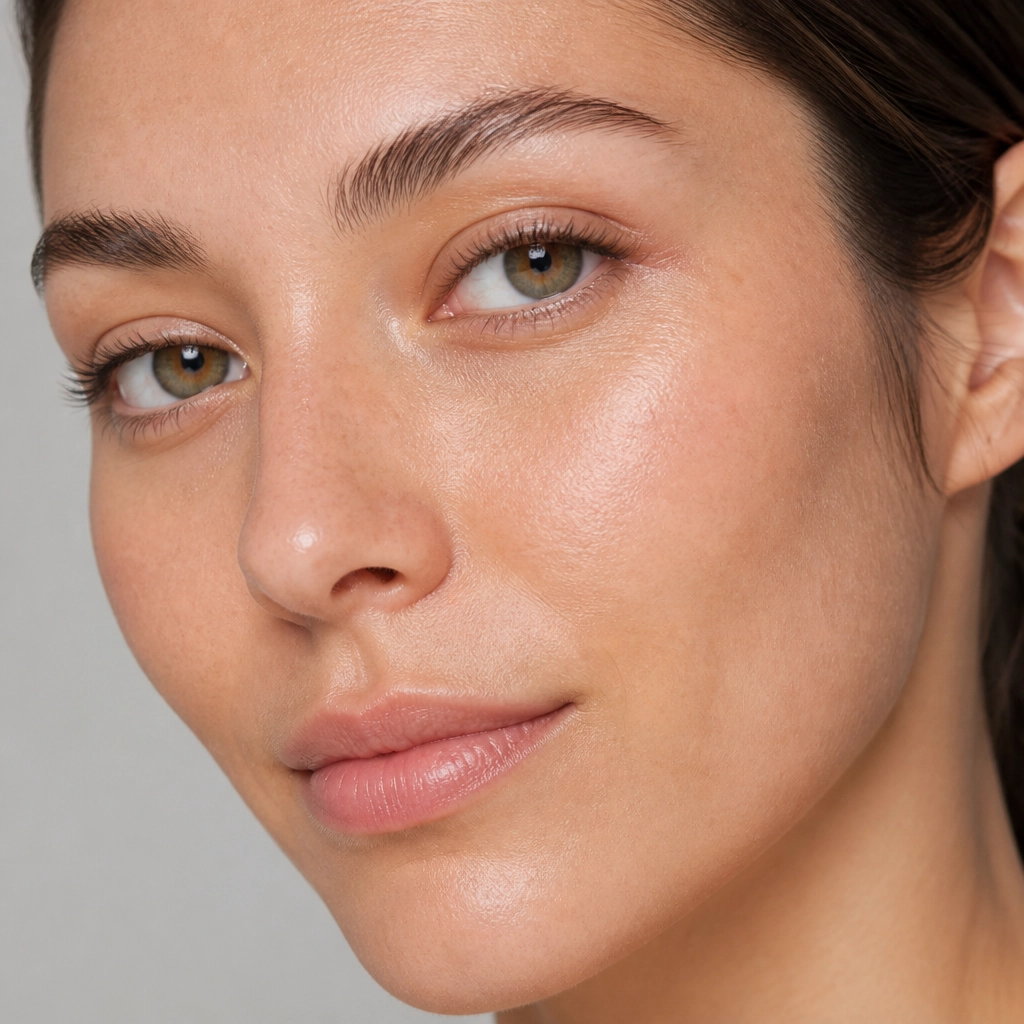
If you are searching for red light therapy before and after photos for dark spots or uneven skin tone, it is important to set realistic expectations.
Red light therapy may support overall skin health, collagen production, inflammation control, and wound healing. However, it is not a guaranteed treatment for hyperpigmentation, and the evidence for directly fading dark spots remains limited.
There is also an important safety question: can light-based treatments make pigmentation worse, particularly in people with darker skin tones?
The honest answer is that results and risks vary. Here is what current guidance and research suggest in 2026.
What are hyperpigmentation, melasma, and PIH?
Hyperpigmentation is a general term for areas of skin that look darker than the surrounding skin. It happens when the skin produces or stores more melanin, the pigment responsible for skin colour.
Common examples include:
- Dark spots or age spots: Often associated with sun exposure and natural aging.
- Melasma: Larger, symmetrical brown or grey-brown patches, commonly appearing on the cheeks, forehead, nose, or upper lip.
- Post-inflammatory hyperpigmentation, or PIH: Dark marks that remain after acne, eczema, an injury, a burn, shaving irritation, or another inflammatory skin problem.
These conditions do not all respond to the same treatment. Melasma, in particular, can be persistent and may return after improvement.
Any persistent, rapidly changing, bleeding, or unusual pigmented lesion should be assessed by a physician or dermatologist before starting cosmetic treatment. Some pigmented lesions require medical evaluation rather than light therapy.
Can red light therapy fade hyperpigmentation?
Possibly in limited circumstances, but the evidence is not strong enough to call red light therapy a reliable pigment-fading treatment.
Red and near-infrared light are forms of photobiomodulation. In simple terms, specific wavelengths may interact with cells and support processes related to energy production, inflammation, collagen, and tissue repair.
Most red light therapy research has focused on:
- Collagen and skin firmness
- Fine lines and wrinkles
- Skin texture
- Acne-related inflammation
- Wound healing
- General skin rejuvenation
Research directly focused on melasma, PIH, and dark spots is smaller and less consistent. A PubMed-indexed review of photobiomodulation for melasma found some encouraging results, but the available studies were generally small, used different devices and treatment protocols, and had limitations in study design.
The Cleveland Clinic explains that red light therapy is still an emerging treatment. Some studies show promise, but more high-quality research is needed for many of its advertised uses.
So, does red light therapy work for dark spots? It may support healthier-looking skin, but it should not be presented as a proven or guaranteed way to erase hyperpigmentation.

Why can red light therapy sometimes worsen pigmentation?
Red light is visible light. Visible light can stimulate pigment production in some people, especially those with darker skin tones.
The American Academy of Dermatology notes that people with darker skin tones may be more sensitive to visible light, including red light. This sensitivity can contribute to hyperpigmentation that is darker or longer-lasting.
Heat, irritation, or inflammation may also trigger or worsen PIH. The risk can increase when a device is used:
- At a higher intensity
- For longer than recommended
- Too frequently
- Too close to the skin
- On recently sun-exposed or irritated skin
- Without considering the person’s skin type and medical history
This does not mean every person with skin of color must avoid red light therapy. It means the treatment should be approached conservatively, with careful monitoring and appropriate medical guidance when pigment concerns are present.
The 2026 American Medical Association patient guidance states that red light therapy is generally safe for most people, but skin-of-color patients may have a higher risk of persistent redness, discoloration, or blistering with some masks and devices. Lower, shorter treatments are recommended initially.
Is red light therapy safe for skin of color?
It can be safe for some people when used correctly, but it is not risk-free.
The Fitzpatrick scale is sometimes used to describe how skin responds to sunlight. Types I and II generally burn more easily, while types V and VI have more melanin and usually tan or rarely burn. Skin type is only one part of the picture, and the scale does not describe every person or every response accurately.
If you have a deeper skin tone, melasma, or a history of PIH:
- Ask a dermatologist whether red light therapy is appropriate.
- Start with a shorter, lower-intensity protocol.
- Avoid increasing treatment time quickly.
- Monitor for new darkening, patchiness, persistent redness, burning, or blistering.
- Stop treatment if pigmentation appears worse.
- Use sun and visible-light protection consistently.
For melasma and PIH, a tinted sunscreen containing iron oxides may be helpful because it can provide protection against visible light. Your dermatologist can also discuss established options such as prescription topicals or carefully selected procedures.

What red light therapy may help with
The strength of evidence varies by condition, wavelength, dose, and device. These are supportive or studied uses, not guarantees:
- Collagen production
- Fine lines and wrinkles
- Skin firmness
- Skin texture
- Skin rejuvenation
- Mild redness and inflammation
- Acne support
- Acne-related healing
- Scar appearance
- Stretch-mark appearance
- Wound-healing support
- Joint discomfort
- Joint stiffness
- Muscle soreness
- Exercise recovery
- Tendon discomfort
- Some osteoarthritis-related symptoms
- Pattern hair-loss support
- Natural hair-growth support
- Cellulite appearance
- Skin-tightening support
- Localized fat-reduction support
- Body-contouring support
- General relaxation and wellness
For a closer look at skin-focused uses, read Wave Therapy’s guides on red light therapy for wrinkles and red light therapy for acne.
Who should be cautious or wait?
Speak with a physician, dermatologist, or pharmacist before treatment if you:
- Have melasma or recurring PIH.
- Have recently had significant sun exposure or sunburn.
- Have active inflammation, an unexplained rash, an infection, or an open wound in the treatment area.
- Take medication with a photosensitivity warning.
- Take certain antibiotics, acne medications, isotretinoin, or other medicines that may increase light sensitivity.
- Have lupus, porphyria, or another photosensitive condition.
- Have photosensitive epilepsy.
- Have a history of skin cancer or a changing pigmented lesion.
- Have a significant eye condition or recent eye surgery.
- Are pregnant or breastfeeding and are considering full-body treatment.
Do not stop a prescribed medication on your own. Ask the prescribing clinician whether light exposure is suitable.
For more information, see Wave Therapy’s 2026 red light therapy safety guide.
What should you expect from a session?
At a professional red light therapy Edmonton clinic such as Wave Therapy, a session may include:
- A conversation about your goals, skin concerns, medications, and relevant health history.
- Clean, product-free skin before treatment.
- Positioning guidance and eye protection instructions.
- Exposure to red and near-infrared light for a controlled period.
- Gentle warmth or very little sensation.
- No needles, injections, peeling, or expected downtime for most people.
A typical session may last approximately 10 to 20 minutes, depending on the system and treatment plan. Full-body sessions may use a different schedule.
For general wellness goals, many clients assess changes after approximately four to eight sessions. Pigmentation is different. Any improvement may take weeks to months, and some people may see no meaningful change. Take progress photos in similar lighting, without filters, and avoid treating a single post-session glow as a permanent result.

Frequently asked questions
Can red light therapy remove dark spots?
No. Red light therapy is not a guaranteed dark-spot remover. It may support skin repair and overall skin quality, but the evidence for directly treating hyperpigmentation is limited.
Can red light therapy help melasma?
The evidence is preliminary and mixed. Because visible light and heat can worsen melasma in some people, professional or dermatology guidance is especially important.
Can red light therapy cause hyperpigmentation?
It can. The risk appears higher for some people with darker skin tones, particularly when using higher-energy devices, excessive treatment times, or treating irritated skin.
What are common red light therapy side effects?
Temporary redness, warmth, mild tenderness, dryness, or eye discomfort may occur. Stop and seek medical advice for blistering, burning, persistent redness, new dark patches, vision changes, or significant pain.
Should I use red light therapy before and after a skin procedure?
Ask the clinician who performed the procedure. Recent peels, lasers, waxing, microneedling, or other treatments may temporarily increase irritation or pigmentation risk.
The practical answer
Red light therapy may be a reasonable addition to a broader skin-health routine, particularly for goals such as collagen support, fine lines, texture, and general rejuvenation. However, current evidence does not support treating it as a dependable solution for hyperpigmentation, melasma, or PIH.
For skin of color, the safest approach is individualized. Get persistent or changing pigmentation assessed first, protect your skin from UV and visible light, and use conservative treatment settings if a qualified professional determines red light therapy is appropriate.
Learn more about Wave Therapy’s Edmonton services or explore available sessions when you are ready. If massage is part of your broader wellness routine, you can also visit Massage Quest or Book a Therapy, Wave Therapy’s sister company for massage services.
Health disclaimer: This article is for general education only. It does not diagnose, treat, or cure hyperpigmentation, melasma, PIH, or any other medical condition. It is not a substitute for advice from a physician, dermatologist, pharmacist, or other qualified healthcare professional. Seek medical assessment for persistent, changing, bleeding, or unusual pigmented lesions.
Leave a Reply