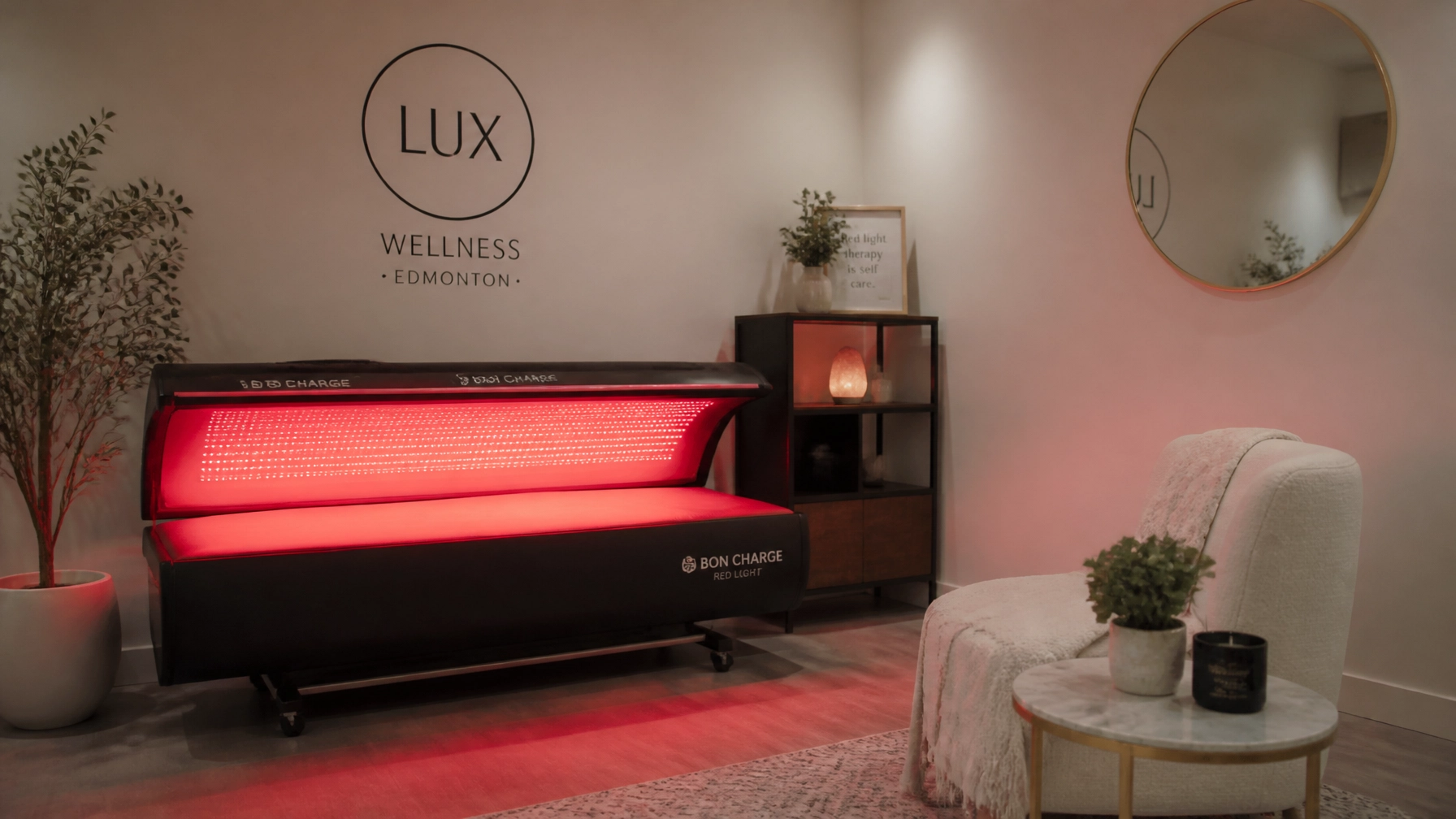
If you have ever pushed through a heavy leg day at the gym, tackled a long weekend run through Edmonton’s river valley trails, or simply woke up with inexplicable neck and shoulder stiffness, you know the search for effective muscle recovery is relentless. Two wellness modalities consistently top the list for active individuals looking to bounce back faster: red light therapy and massage therapy.
Both treatments are praised for easing soreness, but they work in entirely different ways. Is one objectively better than the other? Or is the secret to peak physical recovery hidden in how they complement one another?
In this guide, we break down the science, compare their distinct mechanisms, and explore how combining red light therapy and professional massage can elevate your wellness routine in 2026.
How Muscle Recovery Works at a Cellular Level
Before pitting red light therapy against massage, it helps to understand what happens to your muscles during and after exertion. When you exercise or put your body under physical stress, microscopic tears form in your muscle fibers. This process is completely normal: it is how muscles grow stronger and more resilient. However, the accompanying inflammatory response, metabolic waste buildup, and central nervous system fatigue result in Delayed Onset Muscle Soreness (DOMS).
Effective recovery focuses on three key pillars:
- Reducing inflammation and oxidative stress
- Improving local blood circulation and oxygen delivery
- Calming the nervous system and easing myofascial tension
This is where red light therapy and massage diverge in their approaches, offering distinct yet synergistic benefits.
Red Light Therapy: Cellular Regeneration and Inflammation Control

Red light therapy (RLT): also known as photobiomodulation: uses low-level wavelengths of red and near-infrared light delivered through advanced LED panels. Rather than using heat or physical manipulation, RLT penetrates deep into skin and muscle tissue to stimulate cellular mitochondria.
According to research highlighted in clinical overviews from sources like Healthline, RLT helps trigger increased production of adenosine triphosphate (ATP), the primary energy currency of your cells. This cellular boost translates to several distinct advantages for anyone exploring red light therapy for pain and athletic recovery:
- Lowering Markers of Muscle Damage: Studies indexed on PubMed suggest that applying red and near-infrared light before or after intense exercise can significantly reduce creatine kinase (CK) levels: a key biomarker for muscle fiber damage.
- Accelerating Tissue Healing: By enhancing local microcirculation and reducing oxidative stress, RLT supports faster recovery in overworked joints and tendons.
- Mitigating DOMS: Many clients experience noticeably milder soreness 24 to 48 hours post-workout when incorporating RLT into their routine.
At Wave Therapy, our full-body red light systems provide targeted, non-invasive sessions designed to activate natural healing at the cellular level. If you are looking to secure your next session, you can easily schedule it through our checkout-edmonton page.
Massage Therapy: Mechanical Relief and Nervous System Reset

While red light therapy operates quietly at the microscopic cellular level, massage therapy works directly through mechanical pressure and touch.
According to guidelines and clinical reviews from institutions like the Cleveland Clinic, massage is exceptionally effective for addressing the structural and nervous-system aspects of physical fatigue. Its primary benefits include:
- Immediate Tension Relief: Physical manipulation of soft tissue and fascia directly releases stubborn knots, trigger points, and muscular tightness.
- Perceived Fatigue Reduction: Extensive reviews confirm that manual massage remains one of the most powerful tools for reducing perceived soreness and mental stress after exertion.
- Vagal Nerve Stimulation: Massage triggers a powerful parasympathetic nervous system response, lowering cortisol and promoting profound relaxation.
If you are looking to book professional bodywork alongside your light sessions, our trusted referral partner MassageQuest connects clients with experienced practitioners, while our sister company Book a Therapy offers seamless online bookings for therapeutic massage treatments.
Head-to-Head Comparison: Which Is Better for Your Goals?
| Feature | Red Light Therapy | Massage Therapy |
|---|---|---|
| Primary Mechanism | Cellular ATP production & inflammation modulation | Mechanical soft-tissue manipulation & myofascial release |
| Best For | Cellular repair, chronic joint discomfort, and training endurance | Immediate myofascial tightness, stress relief, and acute DOMS |
| Physical Sensation | Warm, relaxing light exposure with zero physical pressure | Hands-on pressure, stretching, and tissue mobilization |
| Primary Evidence | Backed by PubMed studies on mitochondrial health and CK reduction | Supported by clinical insights for immediate pain relief and relaxation |
Neither modality is universally "better": they simply serve different stages of the recovery puzzle. If you are dealing with acute tightness and knots right after a grueling workout, manual bodywork shines. If you want to build long-term tissue resilience, improve cellular recovery speed, and explore the full spectrum of red light therapy benefits, light sessions provide a unique edge.
How Often to Use Red Light Therapy and Massage

Consistency is everything when managing athletic recovery or chronic stiffness. To maximize your results without overwhelming your system, here is a practical framework:
- Red Light Therapy Frequency: For optimal cellular repair, inflammation control, and endurance support, aim for 3 to 5 sessions per week. Sessions typically last 10 to 20 minutes. Many clients notice visible improvements and reduced soreness within 4 to 8 sessions.
- Massage Frequency: To maintain myofascial mobility and keep muscle tension in check, a weekly or bi-weekly massage schedule is ideal for active individuals.
Curious about what red light therapy before and after results look like in practice? Most users report feeling lighter, experiencing less next-day stiffness, and recovering their range of motion much faster when sticking to a consistent schedule.
The Ultimate Recovery Strategy: Combining Both Modalities
Rather than choosing one over the other, the most effective recovery protocol in 2026 is integration.
By pairing the mechanical relaxation and tension-clearing benefits of a professional massage with the cellular energy boost of red light therapy, you support your body from the outside in and the inside out.
If you are ready to experience the transformative power of non-invasive wellness, explore our offerings at Wave Therapy and discover how combining light and touch can keep you moving at your absolute best.
Leave a Reply