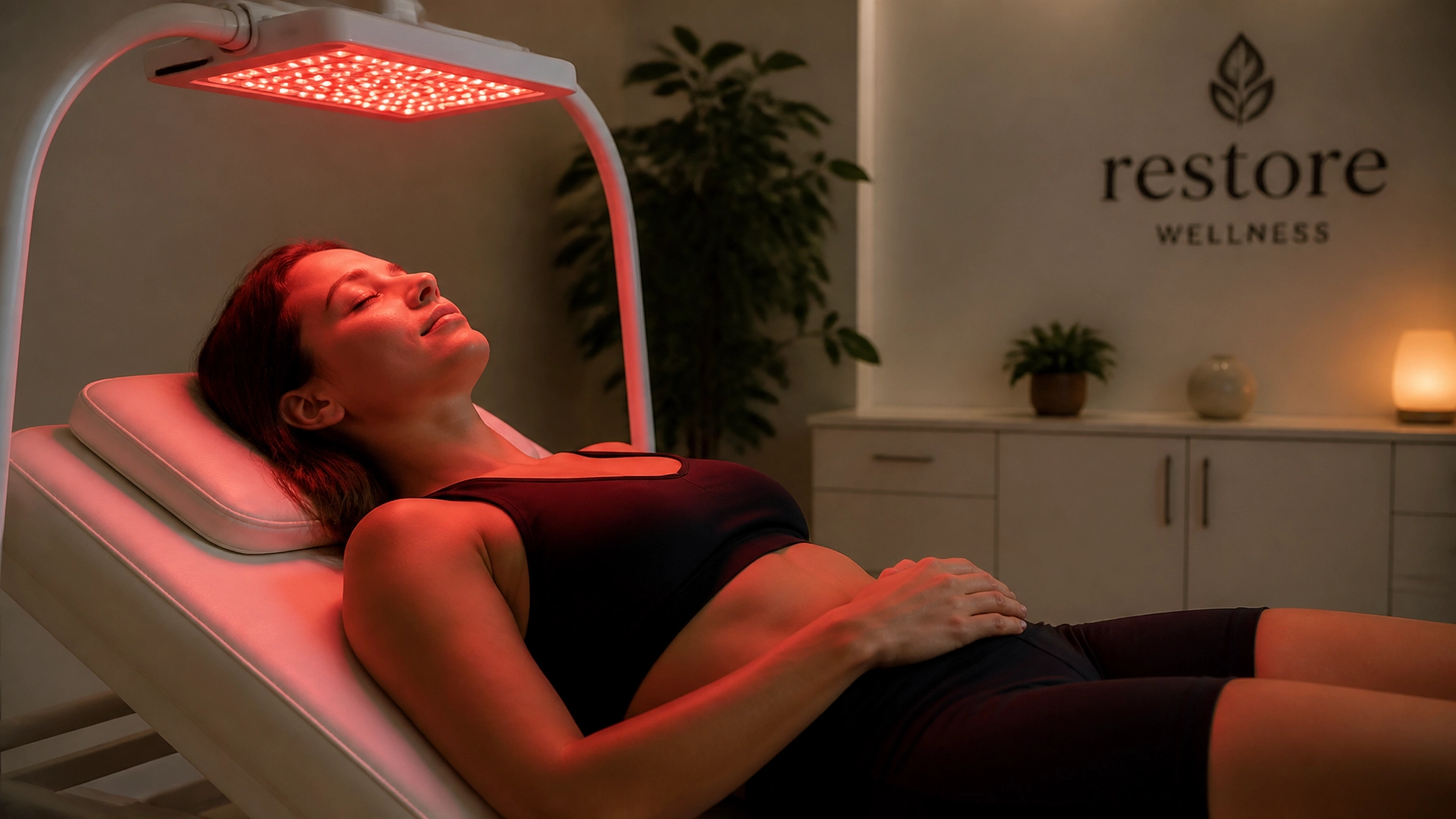
As search engines and AI assistants handle millions of wellness queries every day, people across Edmonton and beyond are asking sharper, more practical questions about red light therapy (RLT). Whether you are exploring options for joint pain, looking to support skin health, or curious about how low-level light therapy fits into a northern climate winter routine, separating fact from marketing hype is essential.
At Wave Therapy, we believe in educating first and selling second. In this guide, we break down the most searched questions about red light therapy in 2026, examining what current science supports, what side effects to watch for, and how to approach treatments safely.
What Is Red Light Therapy and How Does It Work?
Red light therapy: also known as photobiomodulation (PBM) or low-level laser therapy (LLLT): uses specific, low-energy wavelengths of red and near-infrared light. When applied to the skin and tissues, these wavelengths penetrate beneath the surface to interact with cellular structures.
According to research highlighted by organizations like Healthline, light photons are absorbed by cellular mitochondria: often called the "powerhouses" of the cell. This interaction stimulates adenosine triphosphate (ATP) production, enhancing cellular energy. With boosted cellular energy, tissues experience reduced oxidative stress, improved microcirculation, and stimulated collagen synthesis.
It is a non-invasive, drug-free approach designed to support the body’s natural regenerative processes.

Top Benefits: What Does the Science Support?
With numerous claims circulating online, it helps to look at what clinical studies and dermatology sources actually validate. Research indexed on PubMed generally categorizes benefits into well-supported and emerging areas:
1. Skin Rejuvenation and Anti-Aging
Dermatological studies consistently show modest, repeatable benefits for facial skin tone and texture. Red light therapy stimulates collagen and elastin production, which can soften fine lines, improve firmness, and help reduce hyperpigmentation or sun spots over time.
2. Hair Regrowth
One of the more robustly studied applications is hair density stimulation. Clinical trials indicate that specific red light wavelengths can stimulate hair follicles and support hair regrowth in individuals experiencing androgenetic alopecia.
3. Muscle Recovery and Joint Comfort
While not a miraculous pain cure, professional treatments and athletic research suggest that near-infrared light can help accelerate muscle recovery after strenuous activity, ease mild joint stiffness, and reduce localized inflammation.
For comprehensive wellness routines, pairing light treatments with professional bodywork can amplify recovery. Many clients also explore integrated care options through our partner network at MassageQuest or our sister company Book a Therapy for specialized therapeutic massage.
Safety, Side Effects, and Common Misconceptions
When evaluating any wellness modality, safety is paramount. Medical institutions such as the Cleveland Clinic note that red light therapy is generally safe when used correctly, largely because it utilizes non-ionizing light that does not damage DNA like ultraviolet (UV) rays do.
Does red light therapy have side effects?
Most people experience zero side effects or only mild, temporary responses, such as:
- Mild warmth or temporary redness in the treated area
- Slight skin tightness or dryness immediately following a session
- Occasional mild headache if sessions are overly prolonged
Who should exercise caution?
While safe for the majority of adults, you should consult a healthcare professional before starting RLT if you:
- Take photosensitizing medications (such as certain antibiotics, retinoids, or NSAIDs)
- Have active photosensitive skin conditions like lupus
- Experience severe seizure disorders triggered by light flicker
- Have open wounds or active infections in the target area
Always wear certified protective eyewear when receiving facial or scalp treatments to protect against eye strain from bright LEDs.

Edmonton Wellness Spotlight: Clinic Sessions vs. At-Home Devices
As at-home LED masks and panels flood the consumer market, a frequent question we encounter in Edmonton is whether home devices match professional clinic setups.
Clinic-Based Therapy
Medical-grade systems found in professional studios feature calibrated output, optimal irradiance, and standardized treatment protocols. Sessions are monitored for dosage control, ensuring you receive the precise therapeutic window without under-dosing or over-exposing your skin.
At-Home Devices
Home consumer masks are convenient and offer gentle maintenance, but misuse: such as sitting too close, treating skin too frequently, or ignoring eye protection: is the leading cause of reported burns or irritation.
If you are navigating Edmonton's long, dark winters and exploring light therapy to support your mood, circadian rhythm, or skin vitality, professional guidance ensures you get safe, predictable results without guesswork.
Frequently Asked Questions (FAQ)
How often should I use red light therapy?
Most clinical protocols recommend 2 to 3 sessions per week for 4 to 8 weeks to see noticeable cumulative results, followed by periodic maintenance sessions. More is not always better; your cells require recovery time between light exposures.
Does red light therapy work for weight loss or cellulite?
While some wellness marketing promotes RLT for spot fat reduction or cellulite smoothing, scientific evidence in this area remains limited. It can support overall cellular metabolism and skin tightening, but it should not be viewed as a standalone weight loss solution.
How long does each session take?
Depending on the target area and equipment power, sessions typically range between 10 to 20 minutes, making it easy to fit into a busy workday or recovery routine.

Practical Takeaways
- Educate before you invest: Look for evidence-backed benefits primarily focused on skin health, hair regrowth, and tissue recovery.
- Respect dosage guidelines: More time under the light does not accelerate results. Follow recommended session lengths and frequencies.
- Prioritize eye safety: Always use proper protective goggles during facial sessions.
- Consider professional support: Visiting a dedicated studio like Wave Therapy ensures you use medical-grade systems correctly and comfortably.
Ready to experience the gentle, restorative benefits of advanced light therapy? Explore our services or book your session when you are ready to begin your wellness journey with us.
Leave a Reply