Red light therapy is often described as a simple way to improve skin, ease pain, or recover faster. But does red light therapy work, and what does the research actually support?
The short answer: it may help with some specific concerns, but results depend on the condition, device, dose, and treatment plan. It is not a cure-all, and evidence for one use does not prove that it works for every claim. Here are clear answers to common questions about red light therapy science, safety, frequency, and what to expect.
What is red light therapy, and how might it work?
Red light therapy, also called photobiomodulation (PBM), uses particular wavelengths of red or near-infrared light. Unlike tanning beds, it does not use ultraviolet (UV) light.
Researchers think cells absorb this light and respond in ways that may affect cellular energy, inflammation, and repair. That is a proposed biological explanation, not a guarantee of a noticeable benefit. Devices also vary in wavelength, output, treatment distance, and dose, so their results are not interchangeable.

What do studies suggest it may help with?
A 2025 evidence-based consensus paper reviewed research on clinical uses of PBM. It found support for some specific applications, while noting that protocols and evidence vary. The PubMed paper is a useful starting point for readers who want to explore the research in more depth.
Potential uses include:
- Peripheral neuropathy: The consensus found support for PBM as an option for this condition.
- Pain associated with diabetic foot ulcers: This specific kind of pain was included among the supported applications.
- Wounds and ulcers: Evidence supported use for certain wounds and ulcers, including pressure ulcers. This should be part of appropriate wound care, not a replacement for it.
- Acute radiation dermatitis: The consensus identified this as a supported clinical application.
- Skin texture and visible signs of aging: Some studies report improvements in fine lines, roughness, or redness, but results are variable and may be subtle.
- Androgenetic hair loss: Repeated light treatments may help some people with this particular type of hair loss; they will not address every cause or guarantee regrowth.
- Acne and other skin concerns: These are being studied, but evidence and protocols vary. A dermatologist can help confirm the cause and discuss appropriate treatment.
- Other kinds of pain or post-exercise recovery: Research is ongoing. Results for one pain condition should not be assumed to apply to all joint, muscle, or recovery concerns.
This list describes areas of research, not a promise that a particular device or session will treat them. The American Academy of Dermatology (AAD) also notes that results for skin and hair concerns can vary and that regular treatment is usually needed.
Does red light therapy help with skin, pain, and recovery?
Skin: Some clinical studies suggest repeated treatments may improve certain visible skin changes. Effects are not usually immediate, and red light is generally considered a complementary option rather than a replacement for established skin care or medical treatment.
Pain: The evidence is condition-specific. The 2025 consensus supports certain applications, including peripheral neuropathy and pain related to diabetic foot ulcers. That does not mean red light therapy for pain is proven for every source of back, joint, or muscle pain. Persistent or unexplained pain deserves a medical assessment.
Recovery: Light therapy is being explored for tissue repair and recovery, but results depend on the indication and protocol. It should not replace rest, rehabilitation, or clinical care when those are needed.
For a readable overview of possible uses and important limitations, see the Cleveland Clinic’s red light therapy overview.
How often should you use red light therapy?
There is no single schedule for every device or goal. The right frequency and session length depend on the equipment and the protocol being used.
If you’re wondering how often to use red light therapy, follow the provider’s or manufacturer’s instructions rather than adding sessions on your own. More exposure is not automatically better. The AAD notes that home devices need regular use, but schedules vary. Ask how long each session lasts, how many sessions are recommended, and when progress should be reviewed.
At Wave Therapy, clients in Edmonton can learn about our red light therapy sessions. A provider should be able to explain the equipment, the planned treatment area, and realistic expectations before you begin.

What happens during a session?
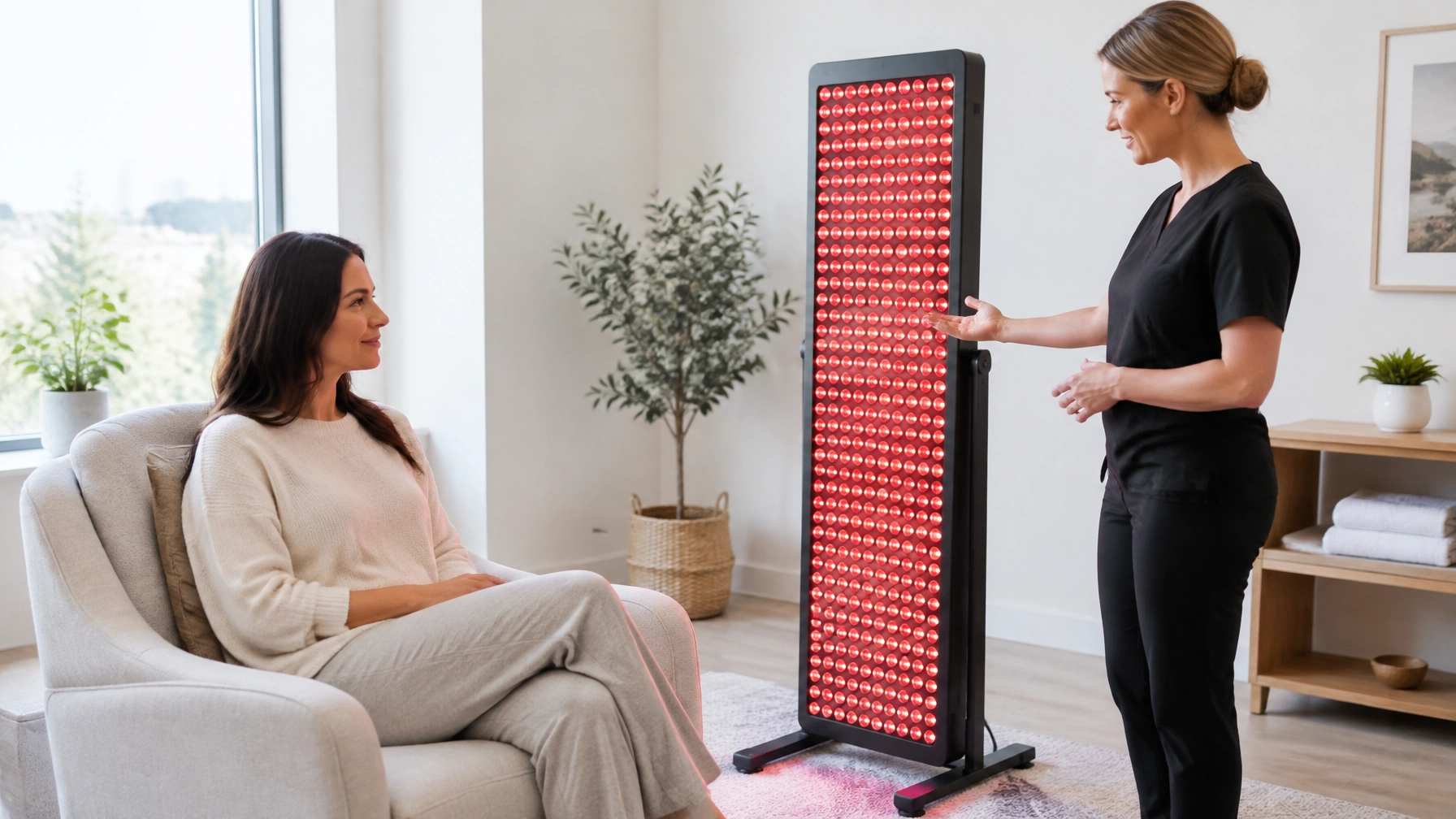
A session typically begins with a conversation about your goal, health considerations, and any relevant medications or skin concerns. The provider explains the setup and any recommended eye protection. You then sit or lie near the treatment device while it delivers light to the selected area.
The experience is non-invasive. You may notice warmth, but the treatment should not cause significant pain. Session length and positioning depend on the device and treatment plan. Ask questions if you feel uncomfortable, and let the provider know if you experience irritation or unusual symptoms.
Red light sessions are different from massage therapy. If you’re exploring other wellness options, Massage Quest and BookaTherapy offer massage-related services; massage is a separate service, not a substitute for medical care or a red light treatment.
What are common red light therapy side effects?
Short-term use as directed is generally considered low risk, but “low risk” does not mean “no risk.” Possible red light therapy side effects include temporary irritation, redness, warmth, or mild discomfort. Using a device incorrectly or looking directly into bright LEDs may pose risks, including to the eyes. Follow the device’s eye-safety instructions and use the recommended protection.
Long-term safety data, especially for repeated unsupervised use, are still developing. Stop and seek advice if you develop persistent redness, blistering, significant pain, a rash, or visual symptoms.
Who should be cautious or ask a clinician first?
Check with a healthcare professional before treatment if you:
- Have a condition that makes you sensitive to light, such as lupus.
- Take medication that may increase light sensitivity.
- Have a history of skin cancer, a suspicious skin change, or an unexplained wound.
- Have a significant eye condition or are unsure whether eye protection is suitable.
- Are pregnant, breastfeeding, or considering treatment for a child, since individual advice is important and evidence may be limited.
Do not use red light therapy as a substitute for evaluating a changing mole, persistent pain, a non-healing wound, or unexplained hair loss. A qualified clinician can help determine whether the treatment is appropriate for your situation.
Does “FDA-cleared” mean every device is proven to work?
No. Device status is product- and indication-specific. Some devices may be FDA-cleared for a particular purpose; that does not mean all red light therapy devices are cleared, approved, or proven effective for every condition. The AAD explains that FDA clearance is not the same as proof that a device will produce the results a person wants.
Before choosing a device or provider, ask what it is intended for, whether it is cleared for that specific use, what evidence supports the protocol, and what risks or precautions apply.

Practical takeaways
- Red light therapy may be useful for some specific concerns, but the strength of evidence varies.
- Results depend on the condition, device, dose, and consistency; they are not guaranteed.
- Follow the recommended treatment schedule and eye-safety directions.
- Check with a clinician if you have photosensitivity, relevant medications, skin cancer concerns, or an unexplained symptom.
- Treat device clearance as specific to a product and intended use, not as a blanket endorsement of every claim.
For more information about red light therapy in Edmonton, explore Wave Therapy’s approach and ask questions before deciding whether a session is right for you. There’s no need to rush; choose an option when you feel informed and ready.
Leave a Reply