Inflammation is a normal part of healing. It helps the body respond to injury, infection, and physical stress.
The problem is that inflammation can sometimes last longer than needed. Ongoing inflammation may contribute to joint stiffness, muscle soreness, skin irritation, and persistent neck or shoulder discomfort.
That is why interest in red light therapy continues to grow in 2026. Many people are asking: Can red light therapy reduce inflammation?
The short answer is yes, it may help reduce certain inflammatory responses. However, the results depend on the condition, treatment settings, consistency, and the individual. Red light therapy is best viewed as a non-invasive wellness option or supportive therapy: not a cure-all.
What is inflammation?
Inflammation is part of the body’s immune and repair response. It involves increased blood flow, immune activity, and chemical signals that help protect damaged tissue.
There are two broad types.
Acute inflammation
Acute inflammation begins quickly and usually lasts for a short time. Examples include:
- Swelling after a minor injury
- Muscle soreness after an intense workout
- Redness around a small skin injury
- Temporary irritation from physical strain
This type of inflammation is often useful. It helps the body begin the healing process.
Chronic inflammation
Chronic inflammation continues for weeks, months, or longer. It may be connected with ongoing joint problems, repeated physical stress, certain skin conditions, or underlying health concerns.
Chronic inflammation is more complicated. It should not be self-diagnosed or treated only with wellness services. Persistent pain, unexplained swelling, heat, redness, or reduced function should be assessed by a qualified healthcare professional.
What is red light therapy?
Red light therapy is also called photobiomodulation, or PBM. It uses low-level red and near-infrared light to encourage biological activity in cells.
Unlike ultraviolet light, red and near-infrared light are not intended to damage the skin. The therapy is non-invasive and generally does not rely on heat to produce its effects.
Red wavelengths are commonly used for more superficial tissues, including the skin. Near-infrared wavelengths may reach deeper into soft tissue and are often used when the goal involves muscles, tendons, or joints.
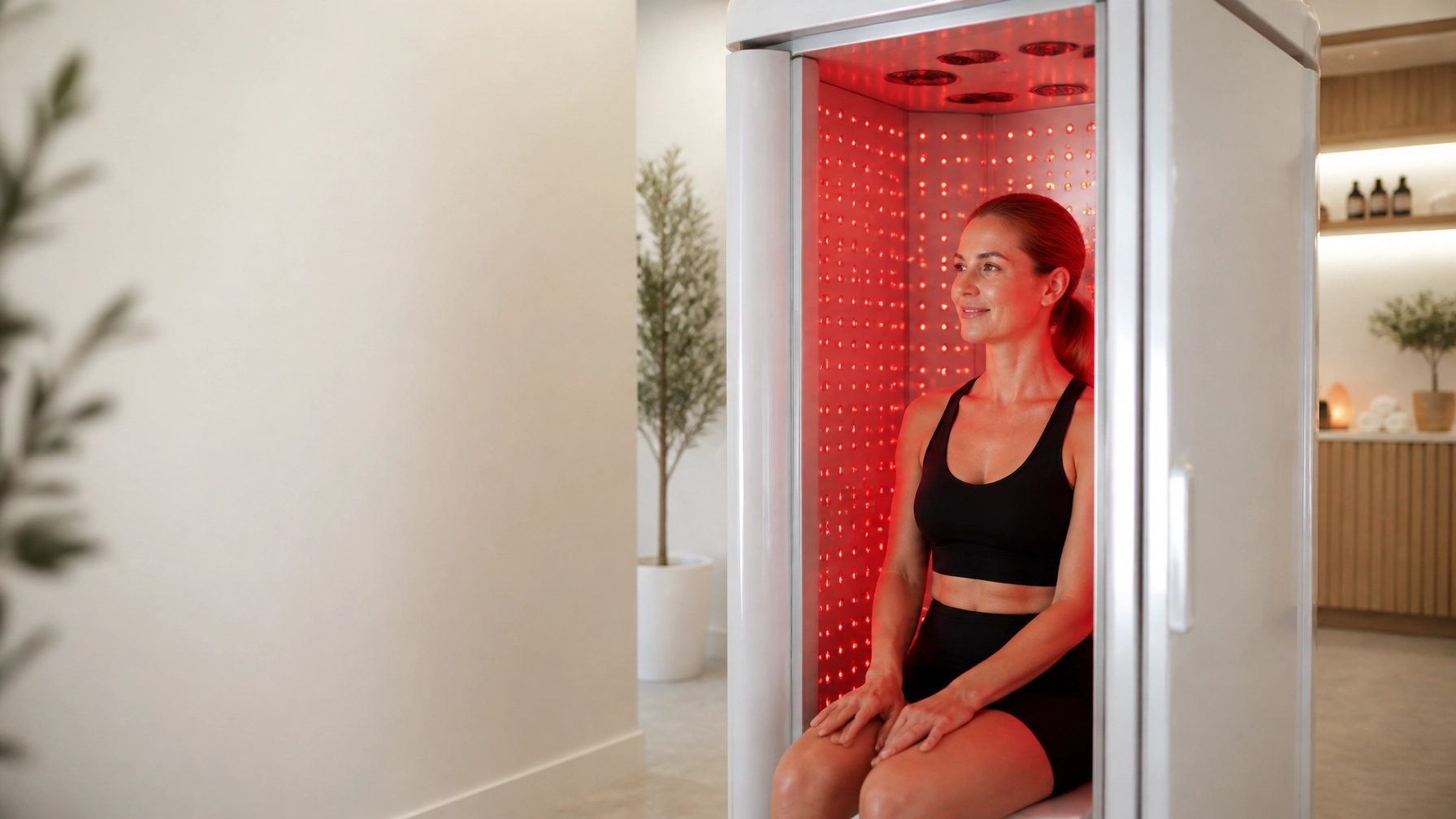
Wave Therapy in Edmonton uses red and near-infrared light as part of full-body wellness sessions designed to support natural recovery and rejuvenation.
How might red light therapy reduce inflammation at the cellular level?
The science can sound technical, but the basic idea is straightforward: light may help stressed cells work more efficiently.
1. Light interacts with mitochondria
Mitochondria are structures inside most cells. They are often described as the cell’s energy producers.
Research suggests that certain red and near-infrared wavelengths can interact with an enzyme in the mitochondria called cytochrome c oxidase. This may influence how efficiently the cell processes oxygen and produces energy.
2. Cells may produce more ATP
ATP is the main energy source cells use to perform their everyday work. It supports processes such as repair, movement, and regeneration.
When cells have enough usable energy, they may be better equipped to manage stress and support tissue recovery. This is one reason PBM is being studied for muscle recovery, wound healing, joint discomfort, and skin repair.
3. Inflammatory signals may be moderated
Inflammation is partly managed through chemical messengers called cytokines. Some cytokines encourage inflammation, while others help regulate or resolve it.
A 2023 PubMed study found that red and near-infrared light affected inflammatory cytokine expression in mice, including reductions in IL-1β and IL-18 and an increase in the anti-inflammatory cytokine IL-10. This is useful evidence for understanding possible mechanisms, but it was an animal study: not proof that every person will experience the same response.
A detailed review in PubMed also describes how PBM may affect oxidative stress, nitric oxide, immune-cell activity, and inflammatory pathways such as NF-κB. You can read the full review, “Mechanisms and applications of the anti-inflammatory effects of photobiomodulation”.
In plain language, red light therapy may help shift an overactive local response toward a more balanced cellular environment.
Does red light therapy work for inflammation?
The science is promising, but it is not equally strong for every condition.
A 2025 umbrella review of randomized clinical trials examined 15 meta-analyses covering more than 9,000 participants. It found meaningful benefits for some outcomes, including knee osteoarthritis disability, fibromyalgia-related fatigue, and certain pain conditions.
However, the review also found that most outcomes had low or moderate certainty of evidence. No outcome received high-certainty evidence. The researchers also noted that studies used different wavelengths, treatment times, energy levels, and numbers of sessions.
That matters because red light therapy is not one standardized treatment. The equipment and dose can vary significantly between a professional system, a home panel, a handheld device, or a wearable product.
A 2026 Scientific American explainer on red-light therapy makes a similar point: there is legitimate biology and growing clinical evidence, but commercial claims often move faster than the research.
What can red light therapy help with?
People commonly explore red light therapy for:
Joint pain and stiffness
Research is developing around knee osteoarthritis and other musculoskeletal conditions. Red and near-infrared light may support local circulation, cellular energy, and inflammatory balance.
It may be appropriate as a supportive option for people dealing with stiffness or discomfort, but it should not replace medical care for a newly injured or seriously inflamed joint.
Muscle recovery
Athletes and active adults often use PBM as part of a recovery routine. Possible goals include reducing post-exercise soreness, supporting tissue repair, and helping the body recover after physical activity.
For more information, see Wave Therapy’s guide to red light therapy for muscle recovery.

Neck and shoulder discomfort
Interest in red light therapy for neck and shoulder pain has risen in 2026. This may reflect how common desk work, screen use, driving, and stress-related muscle tension have become.
Neck and shoulder discomfort is not always caused by inflammation. Muscle guarding, posture, reduced mobility, nerve irritation, and stress can also contribute.
PBM may help some people by supporting local tissue recovery and reducing discomfort. For tension that is strongly related to stress or muscle tightness, massage may also be worth considering. Wave Therapy clients can explore Massage Quest as a provider and referral partner, or visit Book a Therapy for massage-related services through Wave Therapy’s sister company.
Skin irritation and rejuvenation
Red light therapy is also used for skin-focused goals. Possible benefits include supporting collagen production, improving the appearance of skin tone, and encouraging recovery after minor irritation.
The evidence is more established for some specific dermatological applications than for broad “anti-aging” promises. Individual results vary, and red light therapy should not be used over an undiagnosed rash, suspicious lesion, or active infection without medical advice.

Can red light therapy help with stress-related tension?
It may help indirectly, but the distinction is important.
There is not strong evidence that a standard full-body red light session directly treats psychological stress. However, if light therapy helps reduce muscle soreness or neck and shoulder discomfort, a person may feel more comfortable and relaxed afterward.
The session itself can also provide quiet time away from screens and daily demands. That relaxation experience is valuable, but it should not be confused with a proven treatment for anxiety, depression, or chronic stress.
Who should be cautious?
Red light therapy is generally considered low risk when used appropriately, but some people should speak with a healthcare professional before treatment.
Use extra caution if you:
- Have a photosensitive medical condition
- Take medication that increases light sensitivity
- Have active cancer in or near the treatment area
- Have an unexplained skin lesion or severe skin reaction
- Are pregnant or trying to conceive, particularly for treatment over the abdomen or pelvis
- Have a serious or undiagnosed medical condition
- Are treating an open or non-healing wound
Eye protection may be recommended depending on the system and treatment area. Always follow the equipment instructions and tell the provider about relevant health conditions and medications.
What should you expect from a session?
A red light therapy session is usually simple and non-invasive.
You can generally expect:
- A brief discussion about your goals and any relevant precautions.
- Positioning near or inside a red and near-infrared light system.
- A gentle glow and mild warmth during treatment.
- Quiet relaxation while the session takes place.
- No injections, incisions, or required recovery period.
Treatment length and frequency depend on the system and your goals. At Wave Therapy, many clients see visible changes within 4–8 sessions, although timing varies. Some people notice comfort or relaxation sooner, while skin and recovery-related changes may take longer.
If you want a broader overview of common concerns, read “Red Light Therapy in 2026: Your Top 10 Questions Answered by Science”. If frequency is one of your main questions, it may also help to explore “How Often Should You Use Red Light Therapy in 2026?”.
The practical takeaway
So, can red light therapy reduce inflammation in 2026?
It may reduce certain inflammatory responses and inflammation-related discomfort, especially in some musculoskeletal, recovery, and skin applications. The most credible evidence supports red light therapy as a promising complementary option, not a guaranteed solution.
The important factors are:
- A suitable wavelength
- An appropriate dose
- Consistent sessions
- Realistic expectations
- Proper medical assessment when symptoms are persistent or severe
If you are exploring red light therapy for pain or looking for red light therapy in Edmonton, Wave Therapy can help you learn whether a session fits your wellness goals. You can also explore the main Wave Therapy website or browse the available Edmonton booking page when you are ready.
Sources
- Hamblin MR. Mechanisms and applications of the anti-inflammatory effects of photobiomodulation. AIMS Biophysics, 2017.
- Shamloo et al. Red light and gamma flicker photobiomodulation modulate inflammatory cytokine expression. Frontiers in Neuroscience, 2023.
- Son et al. Effects of photobiomodulation on multiple health outcomes: an umbrella review of randomized clinical trials. Systematic Reviews, 2025.
- Peeples L. Does red-light therapy work? Here’s what the science says. Scientific American, 2026.
Leave a Reply