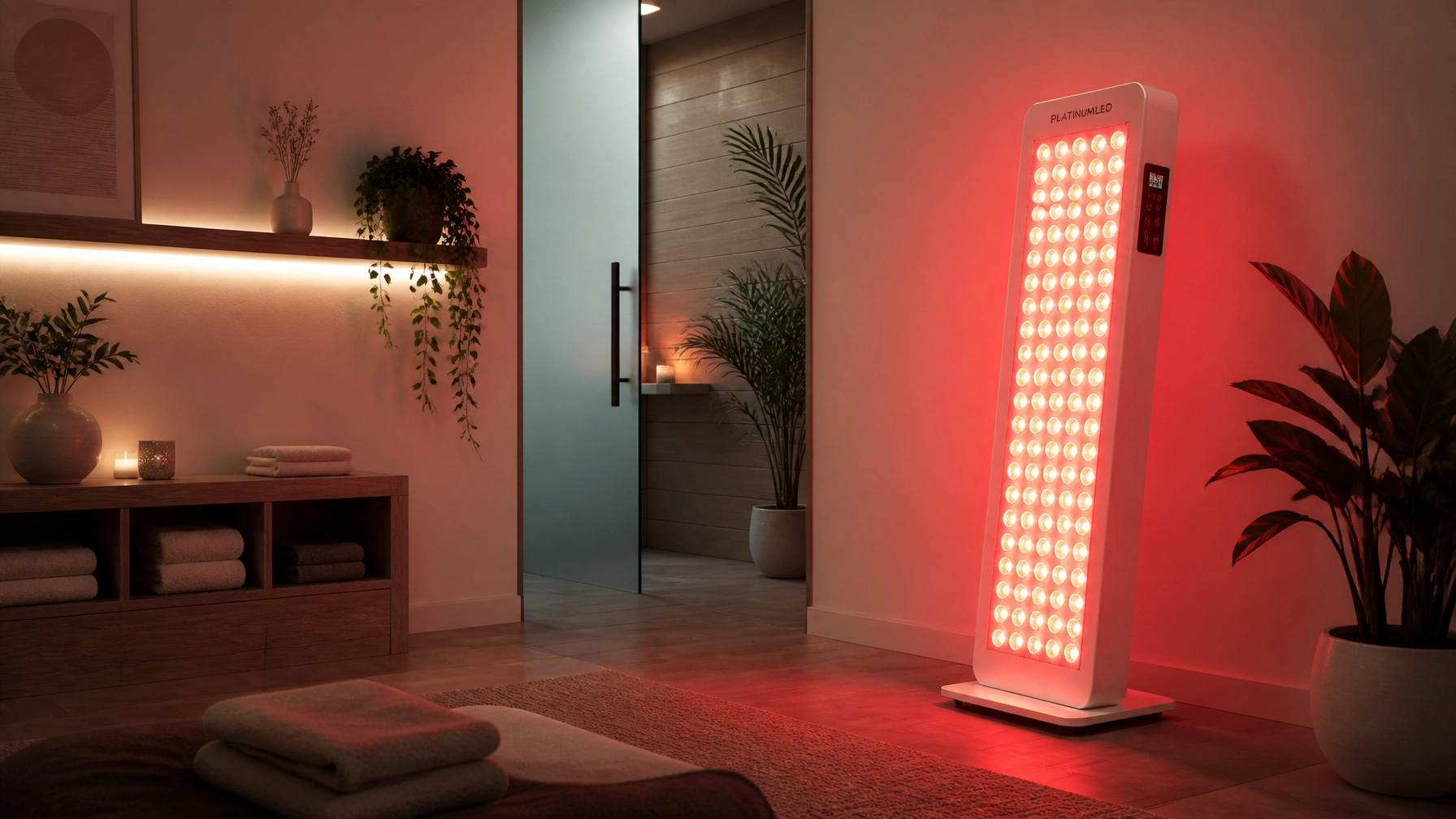
If you’ve spent any time on social media lately, you’ve probably seen the glowing red panels. They’re in the bedrooms of biohackers, the recovery rooms of professional athletes, and now, they’re becoming a staple in wellness centers right here in Edmonton.
Red light therapy (RLT) promises a lot: better skin, faster recovery, and even help with chronic pain. But with any "miracle" treatment comes a wave of healthy skepticism. Is it too good to be true? Is there a hidden catch? Is red light therapy actually bad for you?
At Wave Therapy, we believe that the best way to approach your health is with high-quality information. We’re going to peel back the curtain and answer the five biggest questions floating around the internet to help you decide if this therapy is a fit for your lifestyle.
1. Truth: It is Not the Same as a Tanning Bed
One of the most common fears is that red light therapy is just "tanning by a different name." We all know that ultraviolet (UV) rays from the sun or tanning beds can cause DNA damage, premature aging, and skin cancer.
However, red light therapy is fundamentally different. While tanning beds use high-frequency UV light, RLT uses low-level wavelengths of red and near-infrared light. According to the Cleveland Clinic, these wavelengths are "non-ionizing," meaning they don’t have enough energy to damage your DNA or cause the kind of cellular mutations associated with UV exposure.
Instead of burning the skin to trigger a tan, red light penetrates gently into the cells to stimulate the mitochondria (your cell's "powerhouse"). This process, known as photobiomodulation, helps your cells produce more energy, which is why it’s used for healing rather than aesthetic darkening.

2. Truth: More is Not Always Better (The "Dose" Matters)
In our "more is better" culture, it’s easy to think that if 15 minutes of red light is good, an hour must be amazing. But red light therapy follows what scientists call a "biphasic dose response."
This essentially means there is a "sweet spot" for efficacy. If you use too little light, you won’t see much of a change. If you use the right amount, you get the maximum benefits for skin rejuvenation and pain relief. But if you overdo it: by staying under the lights for too long or using a device that is too powerful: you can actually "cancel out" the benefits or cause temporary skin irritation.
This is why professional guidance is so valuable. When you book a session, the equipment is calibrated to provide the precise dose your body needs without crossing into the territory of "too much of a good thing."
3. Truth: It Won't Give You Skin Cancer
Because red light therapy is often associated with "light treatments," people naturally worry about cancer.
The science is reassuring here. As mentioned, red light is non-ionizing. Research published through Healthline and various dermatological studies indicates that red light therapy has not been found to cause skin cancer. In fact, some clinical trials are exploring how red light might even help with the side effects of cancer treatments, such as oral mucositis.
That said, if you have an active skin cancer lesion or a history of melanoma, it’s always best to chat with your oncologist before starting any light-based therapy. We always prefer the "safety first" approach for our Edmonton community.

4. Truth: Your Eyes Need Protection
Is red light therapy bad for your eyes? The answer is: only if you’re reckless.
Red and near-infrared lights are incredibly bright. While some studies suggest that specific low-level red light doses might actually help with certain eye conditions, staring directly into a high-powered LED panel is not recommended. It can cause eye strain, headaches, or temporary "spots" in your vision: similar to looking at a bright camera flash.
In a professional setting, we provide high-quality blackout goggles to ensure your eyes are protected while your skin gets the benefit. If you’re using a device at home, never stare directly into the LEDs. Close your eyes or wear the appropriate safety eyewear.

5. Truth: It’s Not for Everyone (Know Your Meds)
While red light therapy is safe for the general population, there are a few groups who should hit the pause button.
The biggest concern is photosensitivity. Certain medications make your skin much more sensitive to light than usual. These can include:
- Retinoids (like Accutane or strong anti-aging creams)
- Certain antibiotics (like Tetracycline)
- Specific diuretics or NSAIDs
If you are taking any medication that warns against sun exposure, you should consult your doctor before trying red light therapy. Additionally, those with epilepsy (who may be sensitive to flickering) or people who are pregnant (due to a lack of long-term studies on the fetus) should proceed with caution and medical advice.
What to Expect During a Session in Edmonton
If you’ve never tried it before, a red light therapy session feels remarkably… normal. You aren't being "zapped," and you won't feel intense heat like you would in a sauna.
Most people describe a gentle, pleasant warmth. It’s a quiet 10 to 20 minutes where you can simply breathe and let the light do its work. Many of our clients at Wave Therapy use this time as a "tech-free" break in their busy day. You leave feeling relaxed, not drained.

The Practical Takeaway
Is red light therapy bad? The overwhelming consensus from the scientific community is no: as long as it’s used correctly. It is a non-invasive, drug-free way to support your body’s natural healing processes.
To get the best (and safest) results:
- Don't overdo it: Follow the recommended session times.
- Protect your eyes: Always use the provided goggles.
- Check your meds: Ensure you aren't on photosensitizing drugs.
- Be patient: Like any natural wellness practice, results happen at the cellular level and often take 4–8 sessions to become visible.
If you’re curious about how red light therapy could help with your specific goals: whether that’s soothing joint pain after a workout at the gym or just giving your skin a little extra love: we’re here to help.
Explore our sessions or stop by to see how we’re bringing this science-backed wellness to Edmonton.
Leave a Reply