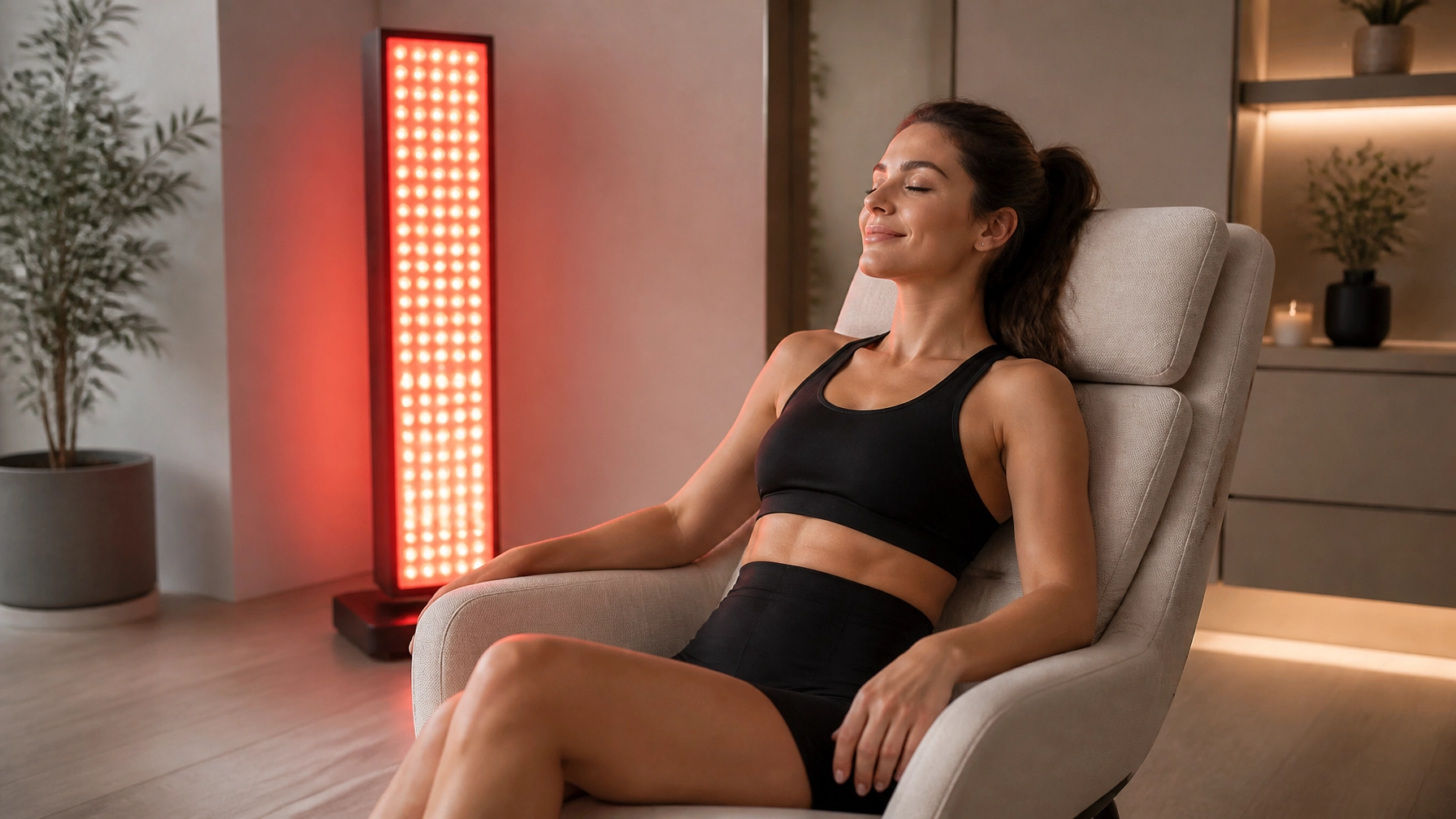
We’ve all been there. You hit a personal best at the gym or finally tackle that long hike in the River Valley, only to wake up the next morning feeling like your muscles have been replaced by lead pipes. This "post-workout shuffle" is a badge of honor for some, but for most of us in Edmonton, it’s just a hurdle between us and our next active day.
In recent years, a vibrant red glow has been popping up in local wellness circles and professional training facilities alike. It’s called Red Light Therapy (RLT), and while it might look like something out of a sci-fi movie, the science behind it is surprisingly grounded. Whether you’re a high-performance athlete or someone just looking to move with less stiffness, understanding how this light works could be the key to your fastest recovery yet.
What is Red Light Therapy, Exactly?
At its core, Red Light Therapy, scientifically known as Photobiomodulation (PBM), is a non-invasive treatment that uses specific wavelengths of light to interact with your body at a cellular level. Unlike the UV rays from the sun that can damage your skin, red and near-infrared (NIR) light are gentle and healing.
Think of it like photosynthesis for humans. Just as plants absorb sunlight to create energy and grow, our cells can absorb these specific light wavelengths to boost their own internal "batteries."
At Wave Therapy, we use professional-grade systems that deliver both red light (which helps with the surface layers of the skin) and near-infrared light (which penetrates deeper into the muscles and joints). This dual approach ensures that you aren't just treating the surface, but reaching the core of where muscle fatigue and inflammation live.
The Science: How Light Becomes Muscle Energy

To understand why your hamstrings feel better after a session, we have to look inside your cells. Every cell in your body contains mitochondria, the "powerhouses" responsible for creating energy (ATP).
When your muscles are overworked, these mitochondria can become sluggish. Red light acts as a catalyst, stimulating a specific enzyme called cytochrome c oxidase. This stimulation helps the mitochondria produce ATP more efficiently.
More ATP = More Energy for Repair.
Research published in PubMed has shown that this process can significantly reduce oxidative stress and inflammation in muscle tissue. When inflammation goes down, the recovery clock speeds up. It's not magic; it’s biology being given a helping hand.
3 Ways Red Light Therapy Masters Muscle Recovery
If you’re new to this, you might wonder what the actual, tangible benefits are. Here is how RLT changes the game for your post-workout routine:
1. Goodbye, DOMS (Delayed Onset Muscle Soreness)
We’ve all experienced that peak soreness that hits 48 hours after a tough workout. Studies have indicated that using red light therapy either before or after exercise can significantly lessen the intensity of DOMS. By reducing the buildup of lactic acid and decreasing markers of muscle damage (like creatine kinase), RLT helps you skip the "I can't walk down the stairs" phase of training.
2. Reducing Chronic and Acute Inflammation
Inflammation is a natural part of the healing process, but too much of it for too long leads to pain and stiffness. RLT helps modulate the inflammatory response. This is particularly beneficial for Edmontonians dealing with joint issues aggravated by our cold winters or those recovering from minor sports injuries like sprains or strains.
3. Boosting Circulation
Near-infrared light is excellent at promoting local blood flow. Improved circulation means more oxygen and nutrients are being delivered to your tired muscles, while metabolic waste products are carried away faster. It’s like an internal "flush" for your muscular system.
Who is it For (And Who is it Not For)?
One of the best things about Red Light Therapy is its accessibility. Because it is non-invasive and drug-free, it fits into almost anyone’s wellness routine.
- Athletes & Fitness Enthusiasts: If you train 4-5 times a week, RLT can help you maintain that frequency without burnout.
- Weekend Warriors: If you’re active only on Saturdays and spend Sundays in pain, RLT can bridge that gap.
- Chronic Pain Sufferers: Those dealing with arthritis or general joint stiffness often find significant relief in regular sessions.
- The "Busy Professional": If you spend all day at a desk in downtown Edmonton, you might be surprised how much RLT helps with neck and shoulder tension.
Who should be cautious?
While Healthline notes that RLT is generally very safe, it’s always best to check with a pro if you are pregnant, have a history of skin cancer, or are taking light-sensitive medications. We always recommend a quick chat with your doctor if you have underlying medical concerns.
What to Expect During Your Session

If you’ve never done it before, walking into a room full of red light can feel a bit like stepping onto a movie set. But the experience itself is incredibly relaxing.
When you visit us at Wave Therapy, here is the general flow:
- Direct Exposure: For the light to be effective, it needs to hit your skin directly. You’ll want to wear loose clothing or athletic gear that allows the target area to be exposed.
- The Glow: You’ll stand or sit near the light panels. You won’t feel "heat" like you would in a sauna; instead, you’ll feel a very subtle, gentle warmth.
- Short & Sweet: Most sessions last between 10 to 20 minutes. It’s the perfect "mental reset" in the middle of a busy day.
- No Downtime: You can head right back to work or even go straight to your workout. There is no recovery time needed for the recovery therapy itself!
Tips for Beginners: Mastering the Routine
To get the most out of your sessions, consistency is key. Think of it like going to the gym: one session is great, but five weeks of sessions is life-changing.
- Aim for 3 sessions a week: For most people starting out, 2-4 sessions per week is the "sweet spot" for seeing cumulative benefits in muscle recovery and skin health.
- Stay Hydrated: Since RLT boosts cellular metabolism, keeping your hydration levels up helps your body process the "work" your cells are doing.
- Protect Your Eyes: While the light is safe for skin, it is very bright. We always provide eye protection to keep your vision comfortable during the session.
Why Edmontonians are Choosing Wave Therapy

In a city that stays active year-round: from running the stairs at Wolf Willow in the summer to skating at Hawrelak in the winter: our bodies take a beating. At Wave Therapy, we’re proud to be a local Edmonton brand focused on science-backed, natural wellness.
We don’t believe in "miracle cures." We believe in giving your body the tools it needs to do what it does best: heal itself. Our studio is designed to be a sanctuary where you can step away from the hustle, stand in the light, and walk out feeling a little lighter.
Ready to Light Up Your Recovery?
Muscle recovery shouldn't be a chore. By incorporating Red Light Therapy, you’re not just treating the pain; you’re fueling your body’s natural ability to repair and rejuvenate. Whether you're looking to shave a few seconds off your marathon time or just want to pick up your kids without a wince of back pain, we’re here to help.
If you’re ready to see what the glow is all about, book a session with us in Edmonton when you’re ready. Your muscles will thank you.
Leave a Reply