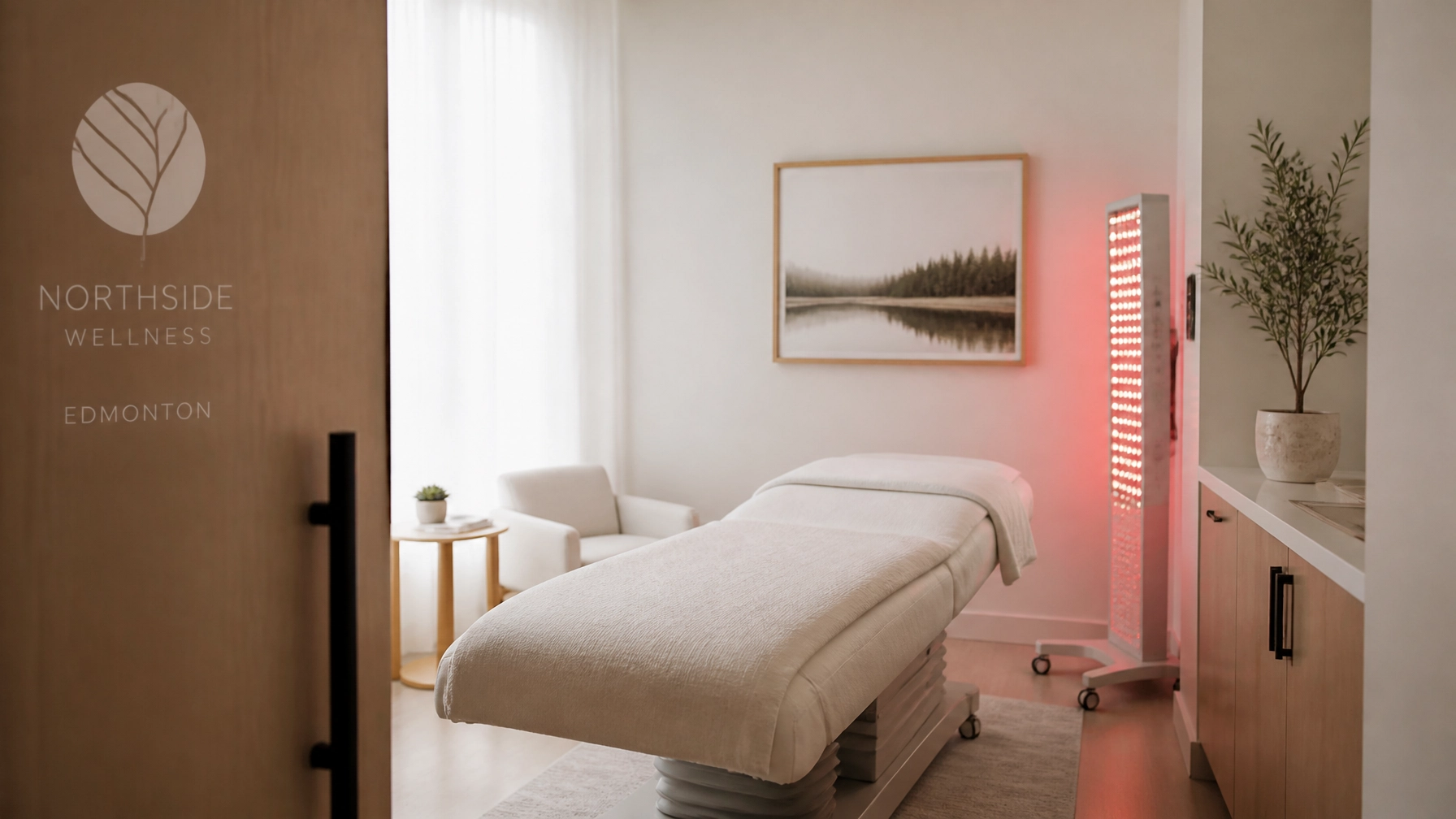
Everyone wants that "inner glow." But as we navigate our 30s, 40s, and beyond, our skin’s natural ability to bounce back starts to slow down. Whether it’s the dry Edmonton winters or just the natural passage of time, our skin often needs a little extra support to stay resilient, clear, and youthful.
Skin rejuvenation is no longer just about heavy surgeries or invasive "freezing" treatments. In 2026, the trend has shifted toward regenerative wellness: treatments that help your body heal itself from the inside out. One of the leading voices in this space is red light therapy, a non-invasive way to wake up your cells.
If you’ve been curious about how to refresh your complexion without the needles or the downtime, you’re in the right place. Here are 20 of the most common questions we hear about skin rejuvenation and red light therapy.
The Basics of Skin Rejuvenation
1. What exactly is "skin rejuvenation"?
Skin rejuvenation is a broad term for any treatment or product that restores a more youthful, healthy appearance to the skin. This can include improving texture, evening out skin tone, reducing fine lines, and boosting elasticity. Unlike "repairing" (which fixes a specific wound), rejuvenation aims to refresh the entire surface and structure.
2. What are the most popular treatments in 2026?
Currently, Edmontonians are moving toward "low-downtime" regenerative options. This includes bio-stimulators, microneedling with growth factors, and energy-based devices like high-end red light therapy. The goal is "quiet luxury": looking like the best version of yourself without looking "done."
3. How does my skin naturally regenerate?
Your skin has a natural turnover cycle of about 28 to 40 days. During this time, new cells are born in the deeper layers and travel to the surface. As we age, this cycle slows down. Rejuvenation treatments work by "reminding" your body to speed up this process and produce more collagen.
4. Is skin rejuvenation different from skin resurfacing?
Yes. Resurfacing (like chemical peels or aggressive lasers) usually involves removing the top layer of skin to reveal the new skin underneath. Rejuvenation is often deeper and more focused on cellular health and collagen production without necessarily peeling the skin.

Diving Into Red Light Therapy (RLT)
5. How does red light therapy help with skin?
Red light therapy uses specific wavelengths of light (usually between 630nm and 850nm) to penetrate the skin. Once absorbed, this light boosts the "powerhouse" of your cells: the mitochondria. This extra energy allows cells to repair damage and produce collagen more efficiently.
6. Does it actually work for wrinkles?
Yes. A pivotal study published in PubMed found that participants using red light therapy experienced significant improvements in skin complexion, skin feeling, and collagen density. It’s a science-backed way to soften fine lines over time.
7. What is the difference between Red and Near-Infrared light?
Red light (visible) is great for surface-level rejuvenation, like fine lines and redness. Near-Infrared (invisible) penetrates deeper, reaching the muscles and joints. Many advanced systems, like those we use at Wave Therapy, combine both for a full-body wellness effect.
8. Can red light therapy help with acne or scarring?
According to the Cleveland Clinic, red light therapy can help reduce inflammation and improve the appearance of scars. While it’s not a "cure" for active acne, it supports the skin’s healing environment, making it a great adjunct to other treatments.
9. Is it safe for all skin types?
One of the biggest benefits of red light therapy is that it is safe for all skin tones and types. Unlike some lasers that can be risky for darker skin tones due to heat production, RLT is a "cold" therapy that doesn't cause thermal damage or hyperpigmentation.
What to Expect During Treatment
10. Does a session hurt?
Not at all. Most clients describe the experience as incredibly relaxing. You might feel a very gentle warmth, but there is no pain, no needles, and no discomfort. Many of our clients actually fall asleep during their session.
11. How long does a typical session take?
At Wave Therapy, sessions usually last between 15 and 20 minutes. It’s a perfect "lunch break" treatment because you can walk in, enjoy your session, and go straight back to work or your daily routine.
12. Is there any downtime?
Zero. There is no redness, peeling, or sensitivity afterward. You can apply makeup or go out into the sun (with SPF, of course!) immediately following your treatment.

13. How many sessions will I need to see results?
While your skin might look "glowier" after just one session, real structural change takes time. Most people start to see visible results in fine lines and texture after 8 to 12 sessions. We often recommend 2–3 sessions per week for the first month to kickstart the process.
14. Can I do red light therapy at home?
There are many at-home masks and panels available, but they are significantly less powerful than professional-grade systems. While home devices can be good for maintenance, the medical-grade systems found at a Wave Therapy location in Edmonton provide much deeper penetration and faster results.
Advanced Questions & Trends
15. Can I combine red light with other treatments?
Absolutely. In fact, it’s encouraged! Red light therapy is often used after microneedling or chemical peels to speed up healing and reduce inflammation. It’s the ultimate "support" treatment for any skincare regimen.
16. Does it help with skin conditions like Rosacea?
Many people with Rosacea find relief with red light therapy because it is highly anti-inflammatory. By reducing the redness and calming the skin’s surface, it can help manage flare-ups. However, we always recommend chatting with your specialist first.
17. Can red light therapy help with "body" skin, like cellulite?
Yes. Because RLT improves circulation and stimulates collagen, it can help tighten the skin on the legs, stomach, and arms. Some specialized red light treatments are even used for fat reduction by temporarily opening the fat cells to release their contents.
18. What should I do before my session?
For the best results, come with clean skin. Heavy lotions or sunscreens can sometimes reflect the light, preventing it from penetrating as deeply as possible.

19. Are there any side effects?
Side effects are extremely rare. A very small percentage of people might experience temporary mild redness. It is generally considered one of the safest wellness treatments available today.
20. How do I choose the right provider in Edmonton?
Look for a clinic that uses high-output, medical-grade LED panels rather than cheap consumer bulbs. Transparency about their technology and a focus on overall wellness (rather than just a "quick fix") are good signs you're in the right place.
Practical Takeaways for Your Skin Journey
- Be Patient: Skin rejuvenation is a marathon, not a sprint. Your cells need time to rebuild.
- Consistency is Key: Especially with light therapy, regular sessions produce much better results than occasional ones.
- Hydrate: Regenerative treatments work best when your body is well-hydrated.
- Protect Your Investment: Always wear SPF 30+ daily to protect the new collagen you’re working so hard to build.
Ready to see the glow for yourself?
Skin rejuvenation doesn't have to be complicated or painful. If you're in the Edmonton area and want to explore how red light therapy can fit into your wellness routine, we’re here to help.
Learn more about our sessions or book your introductory visit when you're ready to start your journey toward healthier, more radiant skin.
Leave a Reply