Category: Blog

Your blog category

  • AI-Driven Public FAQ Strategy: Red Light Therapy Myths vs. Science. What It Really Does in 2026

    AI-Driven Public FAQ Strategy: Red Light Therapy Myths vs. Science. What It Really Does in 2026

    Red light therapy is easy to encounter online, and harder to evaluate. Some claims are supported by early or condition-specific research; others stretch far beyond what studies show.

    So, does red light therapy work? The clearest answer is that it may support certain goals when the device and dose are appropriate. It is not a cure-all, and results depend on what is being treated. Here’s a practical look at the most common myths, what the science can and cannot tell us, and what to ask before booking a session.

    What does red light therapy actually do?

    Red light therapy, also called photobiomodulation, uses low-level red or near-infrared light. In plain language, certain cells absorb some of this light, which may influence processes involved in cell activity, inflammation and tissue repair. Researchers are still investigating exactly how these effects work and which protocols are most useful.

    The term “red light therapy” covers different devices and approaches. Wavelength, light output, treatment area, distance and exposure time can all matter. As the Scientific American explainer notes, research is growing, but device and dose differences make broad conclusions difficult.

    Close-up of healthy, natural skin in soft window light

    Is red light therapy a miracle cure for everything?

    No. It is a tool being studied for specific uses, not a treatment for every health concern. Evidence varies by condition, and promising findings for one use do not prove that the same device can treat something else.

    A 2025 evidence-based consensus on photobiomodulation discusses clinical uses while also underscoring the importance of matching treatment protocols to the condition. Red light therapy should be considered alongside appropriate standard care, not instead of medical assessment or treatment. For a broader overview, see the Cleveland Clinic’s red light therapy guide.

    Is more light always better?

    No. A longer session or a more powerful device does not automatically mean better results. The amount of light delivered depends on factors such as irradiance (light power over an area) and exposure time. An unsuitable dose may be ineffective, and overdoing a session does not speed progress.

    There is no single frequency or session length that suits every device and goal. Follow the instructions for the specific equipment you’re using, and ask the provider how they determine session timing. Wave Therapy also explores why device output and treatment dose matter in its article on red light therapy dosimetry.

    If a device is FDA-cleared, is it proven to work for everything?

    No. FDA clearance is specific to a device and its intended use. It is not blanket proof that the device works for every condition, or that results will be dramatic.

    Be cautious with marketing that treats “FDA-cleared” as a guarantee of effectiveness. Check the exact device, its stated purpose and its instructions. The American Academy of Dermatology’s safety guidance explains that clearance does not tell consumers how effective a device will be.

    Can an at-home mask treat deep joint or nerve problems?

    A small mask is mainly designed to expose a limited, shallow area such as facial skin or the scalp. Light output and penetration vary, so it is not reasonable to assume a mask can deliver a useful dose to a deep joint or nerve.

    Near-infrared light may reach farther into tissue than visible red light, but this does not mean every device can treat deep structures. For joint or nerve symptoms, seek a proper assessment rather than relying on a consumer mask. The Nature feature on the science behind the hype discusses both the potential of photobiomodulation and the important questions that remain about delivery and dose.

    Does red light therapy replace exercise, sleep or medical care?

    No. It is best viewed as a possible adjunct to a broader plan. Movement, adequate rest, rehabilitation and appropriate medical care remain important. Red light therapy is not a substitute for diagnosis, prescribed treatment or healthy routines.

    If you are using it for exercise recovery, it may fit alongside sensible training and rest, not replace them. Massage can also be part of a personal recovery routine; Edmonton clients can explore services through Massage Quest, Wave Therapy’s provider/referral partner. For massage booking, Book a Therapy is Wave Therapy’s sister company.

    Adult taking a stretching break after an outdoor run on a leafy trail

    Do results appear overnight?

    Usually, it takes repeated sessions over time to assess a change. Some people notice something within four to eight sessions, but that is not a promise or a universal timeline. The concern being treated, the device, the schedule and the individual all matter.

    For skin or hair goals in particular, the American Academy of Dermatology notes that regular use may be needed and that not everyone sees results. Keep expectations realistic and track the specific change you hope to notice rather than relying on a general promise of “rejuvenation.”

    Is red light therapy unsafe because it is “radiation”?

    The word radiation can sound alarming, but red and near-infrared light are non-ionizing. Red light therapy is not UV tanning. Still, “non-invasive” does not mean risk-free: temporary irritation, warmth or discomfort can occur, and eye exposure should be taken seriously. Follow device guidance on eye protection.

    Ask a health professional before starting if you have a photosensitive condition, take medication that increases light sensitivity, have a history of skin cancer, are pregnant, or have an eye condition. If you notice persistent discomfort or a concerning skin or vision change, stop and seek advice. Wave Therapy has more information in its red light therapy safety and side effects FAQ.

    What red light therapy benefits have the strongest support?

    Evidence is developing, and the level of support differs by use. Research and clinical guidance point to possible benefits in some specific situations, not guaranteed results for everyone.

    • Pattern hair loss: Some studies suggest repeated treatment may support modest regrowth for androgenetic alopecia. It is not proven for every cause of hair loss.
    • Selected wounds: Clinical research suggests photobiomodulation may support healing in certain wound-care settings. Significant, infected or unexplained wounds need medical care.
    • Some signs of skin aging: Studies report possible gradual improvements in fine lines, texture or redness. Results vary by device and protocol.
    • Some pain and inflammation concerns: Research is condition-specific; red light therapy should not replace an assessment of ongoing or severe pain.
    • Exercise-related muscle soreness and recovery: Early research suggests possible support for recovery, but it does not replace rest, training adjustments or rehabilitation.

    Claims about major weight loss, broad “metabolism boosting” or eliminating cellulite should be treated cautiously. Red light therapy is not a substitute for weight-management care, and evidence for these outcomes is not established in the same way as the uses above.

    How can you spot red light therapy marketing hype?

    A few questions can help you assess a claim before choosing a device or booking a session:

    • Does the claim name a specific goal and device, or promise to treat many unrelated conditions?
    • Does the provider explain the suggested schedule and what evidence applies to that goal?
    • Are results described as variable, or guaranteed and immediate?
    • Is FDA clearance being presented accurately for a specific intended use?
    • Are you encouraged to keep appropriate medical care in place?

    At Wave Therapy, an Edmonton studio, red and near-infrared sessions are offered as a non-invasive wellness option. A session should not be presented as a cure or as a replacement for medical care. You can learn more about Wave Therapy in Edmonton and ask questions about what to expect before deciding whether a session fits your goals.

    What should I expect from a red light therapy session?

    Expect to follow the provider’s guidance for positioning, exposure time and any eye protection. The experience is generally non-invasive; the light may feel warm, though sensations and protocols vary. Before you start, share relevant health information and ask what outcome the session is intended to support. If you are unsure whether your symptoms need medical attention, check with a healthcare professional first.

    The practical takeaway: red light therapy has potential in some areas, but the science does not support miracle claims. Device, dose, goal and personal health all matter. If you’re exploring red light therapy in Edmonton, you can visit Wave Therapy to learn more and explore sessions when you’re ready.
  • AI-Driven Public FAQ Strategy: Does Red Light Therapy Work? Evidence, Safety, and What to Expect

    AI-Driven Public FAQ Strategy: Does Red Light Therapy Work? Evidence, Safety, and What to Expect

    Red light therapy is often described as a simple way to improve skin, ease pain, or recover faster. But does red light therapy work, and what does the research actually support?

    The short answer: it may help with some specific concerns, but results depend on the condition, device, dose, and treatment plan. It is not a cure-all, and evidence for one use does not prove that it works for every claim. Here are clear answers to common questions about red light therapy science, safety, frequency, and what to expect.

    What is red light therapy, and how might it work?

    Red light therapy, also called photobiomodulation (PBM), uses particular wavelengths of red or near-infrared light. Unlike tanning beds, it does not use ultraviolet (UV) light.

    Researchers think cells absorb this light and respond in ways that may affect cellular energy, inflammation, and repair. That is a proposed biological explanation, not a guarantee of a noticeable benefit. Devices also vary in wavelength, output, treatment distance, and dose, so their results are not interchangeable.

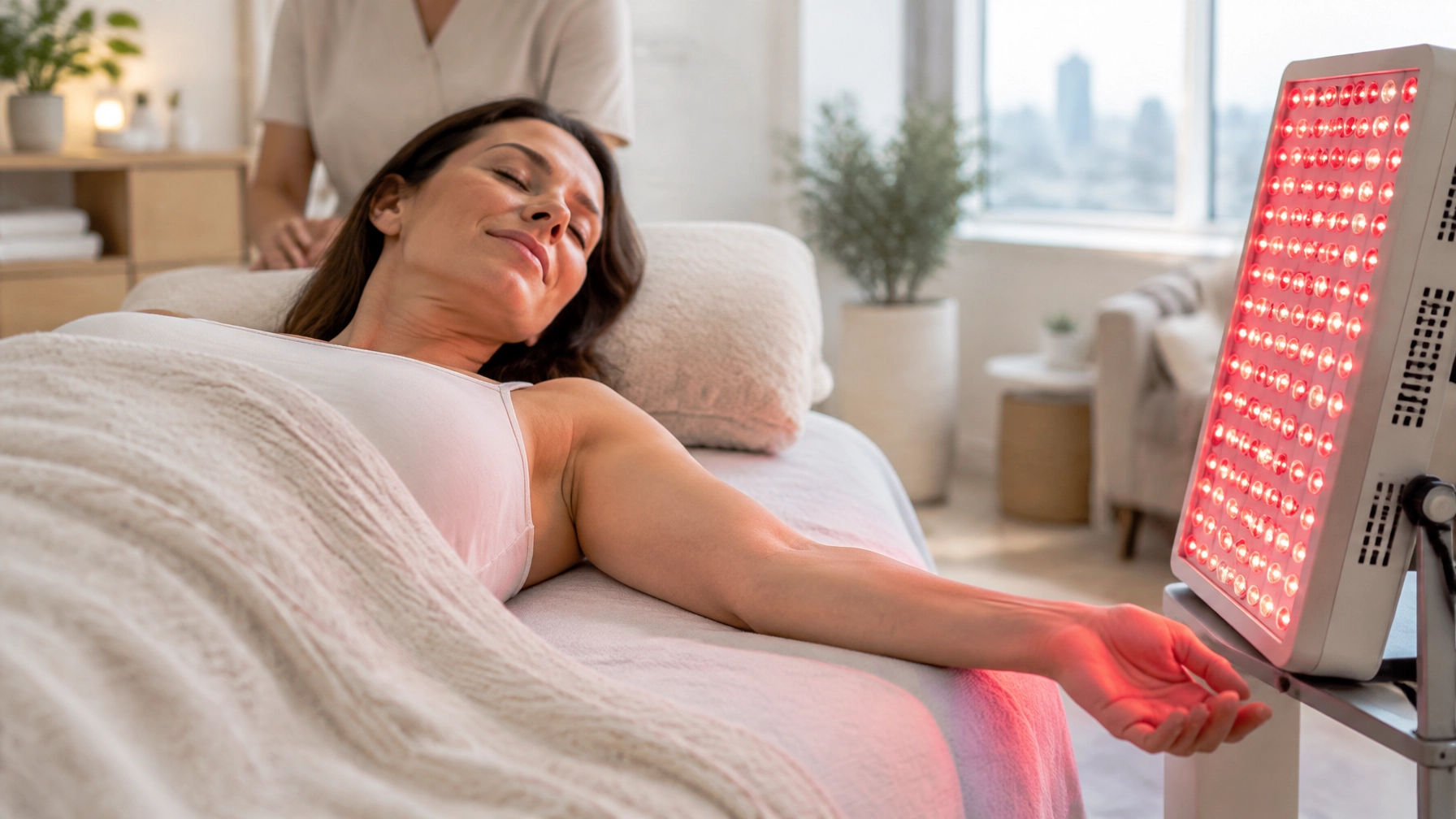
    An adult client receives red-light exposure to the shoulder area while a practitioner monitors the session

    What do studies suggest it may help with?

    A 2025 evidence-based consensus paper reviewed research on clinical uses of PBM. It found support for some specific applications, while noting that protocols and evidence vary. The PubMed paper is a useful starting point for readers who want to explore the research in more depth.

    Potential uses include:

    • Peripheral neuropathy: The consensus found support for PBM as an option for this condition.
    • Pain associated with diabetic foot ulcers: This specific kind of pain was included among the supported applications.
    • Wounds and ulcers: Evidence supported use for certain wounds and ulcers, including pressure ulcers. This should be part of appropriate wound care, not a replacement for it.
    • Acute radiation dermatitis: The consensus identified this as a supported clinical application.
    • Skin texture and visible signs of aging: Some studies report improvements in fine lines, roughness, or redness, but results are variable and may be subtle.
    • Androgenetic hair loss: Repeated light treatments may help some people with this particular type of hair loss; they will not address every cause or guarantee regrowth.
    • Acne and other skin concerns: These are being studied, but evidence and protocols vary. A dermatologist can help confirm the cause and discuss appropriate treatment.
    • Other kinds of pain or post-exercise recovery: Research is ongoing. Results for one pain condition should not be assumed to apply to all joint, muscle, or recovery concerns.

    This list describes areas of research, not a promise that a particular device or session will treat them. The American Academy of Dermatology (AAD) also notes that results for skin and hair concerns can vary and that regular treatment is usually needed.

    Does red light therapy help with skin, pain, and recovery?

    Skin: Some clinical studies suggest repeated treatments may improve certain visible skin changes. Effects are not usually immediate, and red light is generally considered a complementary option rather than a replacement for established skin care or medical treatment.

    Pain: The evidence is condition-specific. The 2025 consensus supports certain applications, including peripheral neuropathy and pain related to diabetic foot ulcers. That does not mean red light therapy for pain is proven for every source of back, joint, or muscle pain. Persistent or unexplained pain deserves a medical assessment.

    Recovery: Light therapy is being explored for tissue repair and recovery, but results depend on the indication and protocol. It should not replace rest, rehabilitation, or clinical care when those are needed.

    For a readable overview of possible uses and important limitations, see the Cleveland Clinic’s red light therapy overview.

    How often should you use red light therapy?

    There is no single schedule for every device or goal. The right frequency and session length depend on the equipment and the protocol being used.

    If you’re wondering how often to use red light therapy, follow the provider’s or manufacturer’s instructions rather than adding sessions on your own. More exposure is not automatically better. The AAD notes that home devices need regular use, but schedules vary. Ask how long each session lasts, how many sessions are recommended, and when progress should be reviewed.

    At Wave Therapy, clients in Edmonton can learn about our red light therapy sessions. A provider should be able to explain the equipment, the planned treatment area, and realistic expectations before you begin.

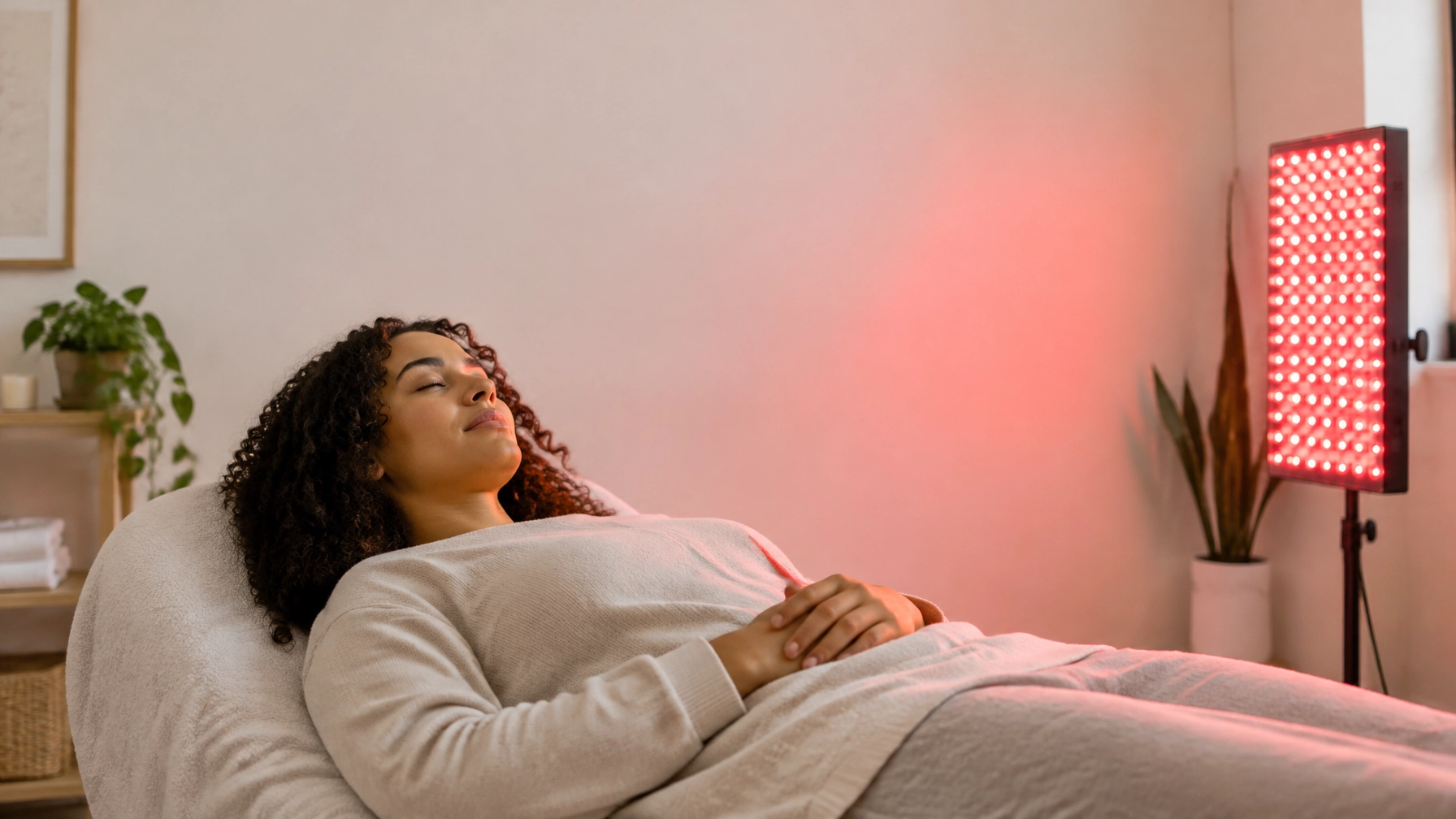
    A client relaxes under an LED panel in a bright treatment room during a supervised red light therapy session

    What happens during a session?

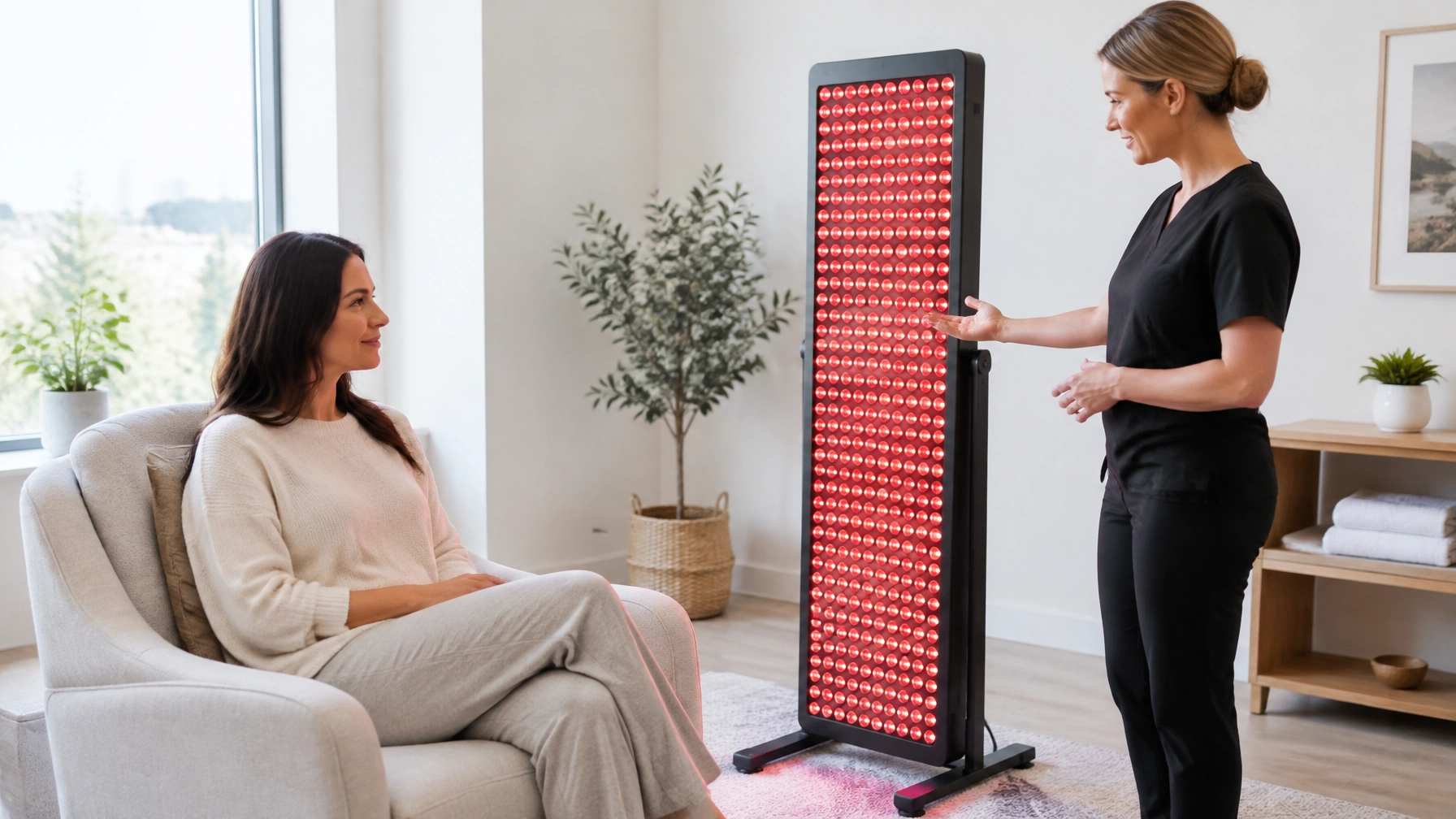
    A session typically begins with a conversation about your goal, health considerations, and any relevant medications or skin concerns. The provider explains the setup and any recommended eye protection. You then sit or lie near the treatment device while it delivers light to the selected area.

    The experience is non-invasive. You may notice warmth, but the treatment should not cause significant pain. Session length and positioning depend on the device and treatment plan. Ask questions if you feel uncomfortable, and let the provider know if you experience irritation or unusual symptoms.

    Red light sessions are different from massage therapy. If you’re exploring other wellness options, Massage Quest and BookaTherapy offer massage-related services; massage is a separate service, not a substitute for medical care or a red light treatment.

    What are common red light therapy side effects?

    Short-term use as directed is generally considered low risk, but “low risk” does not mean “no risk.” Possible red light therapy side effects include temporary irritation, redness, warmth, or mild discomfort. Using a device incorrectly or looking directly into bright LEDs may pose risks, including to the eyes. Follow the device’s eye-safety instructions and use the recommended protection.

    Long-term safety data, especially for repeated unsupervised use, are still developing. Stop and seek advice if you develop persistent redness, blistering, significant pain, a rash, or visual symptoms.

    Who should be cautious or ask a clinician first?

    Check with a healthcare professional before treatment if you:

    • Have a condition that makes you sensitive to light, such as lupus.
    • Take medication that may increase light sensitivity.
    • Have a history of skin cancer, a suspicious skin change, or an unexplained wound.
    • Have a significant eye condition or are unsure whether eye protection is suitable.
    • Are pregnant, breastfeeding, or considering treatment for a child, since individual advice is important and evidence may be limited.

    Do not use red light therapy as a substitute for evaluating a changing mole, persistent pain, a non-healing wound, or unexplained hair loss. A qualified clinician can help determine whether the treatment is appropriate for your situation.

    Does “FDA-cleared” mean every device is proven to work?

    No. Device status is product- and indication-specific. Some devices may be FDA-cleared for a particular purpose; that does not mean all red light therapy devices are cleared, approved, or proven effective for every condition. The AAD explains that FDA clearance is not the same as proof that a device will produce the results a person wants.

    Before choosing a device or provider, ask what it is intended for, whether it is cleared for that specific use, what evidence supports the protocol, and what risks or precautions apply.

    An adult athlete discusses recovery options with a practitioner in a bright wellness clinic, with a red and near-infrared light system visible in the background

    Practical takeaways

    • Red light therapy may be useful for some specific concerns, but the strength of evidence varies.
    • Results depend on the condition, device, dose, and consistency; they are not guaranteed.
    • Follow the recommended treatment schedule and eye-safety directions.
    • Check with a clinician if you have photosensitivity, relevant medications, skin cancer concerns, or an unexplained symptom.
    • Treat device clearance as specific to a product and intended use, not as a blanket endorsement of every claim.

    For more information about red light therapy in Edmonton, explore Wave Therapy’s approach and ask questions before deciding whether a session is right for you. There’s no need to rush; choose an option when you feel informed and ready.

  • AI-Driven Public FAQ Strategy: Can Red Light Therapy Boost Testosterone and Support Men’s Health in 2026?

    AI-Driven Public FAQ Strategy: Can Red Light Therapy Boost Testosterone and Support Men’s Health in 2026?

    Red light therapy is getting attention online for everything from post-workout recovery to testosterone. One especially viral claim suggests shining red light directly on the testicles can raise testosterone. It’s a fair question, but the answer needs more nuance than social media usually allows.

    Here’s what the red light therapy science says about men’s health, where the evidence is more promising, and why this isn’t a proven treatment for low testosterone.

    Can red light therapy really boost testosterone?

    There isn’t strong human evidence that red or near-infrared light therapy reliably raises testosterone. In particular, testicular red light therapy has not been established as a treatment for low testosterone, and it should not replace medical testing or care.

    Claims often combine different kinds of light research. A small preliminary study in men, for example, looked at bright white light exposure in the morning, not red light directed at the testicles. That’s a different treatment, so its findings can’t confirm that red-light panels boost testosterone.

    The distinction matters: promising biology, an early study, or a personal anecdote doesn’t show that a treatment reliably works for people. If you have symptoms that concern you, talk with a healthcare professional about appropriate assessment rather than trying to self-treat with a light device.

    What does the science actually say?

    Red and near-infrared light are studied as photobiomodulation, or PBM. The idea is that certain wavelengths may influence cell activity. But results depend on the wavelength, dose, exposure time, device, and the condition being studied. A protocol using a low-level laser isn’t automatically comparable to an at-home panel.

    For testosterone specifically, evidence is limited and includes small animal studies with mixed findings. Some animal research reports changes in hormone or reproductive measures; other findings don’t show a consistent testosterone increase. Animal results can help researchers decide what to study next, but they do not establish an effective or safe treatment for men.

    There is also a small human trial worth putting in context. In a 2024 randomized study of 60 people with chronic testicular pain, researchers used specific red or infrared low-level lasers and reported reduced pain and improved sexual-satisfaction scores. The study did not establish that treatment increases testosterone, improves fertility, or makes consumer light panels safe for use on the testicles. Momenzadeh et al., Journal of Lasers in Medical Sciences (2024).

    A systematic review of PBM and male infertility found that most included research examined semen samples in a laboratory, with relatively few human participants in clinical trials. The authors noted that varied methods and study designs make it difficult to draw firm conclusions. Eghbaldoost et al., Journal of Lasers in Medical Sciences (2023).

    This is why the online leap from “light may affect cells” to “testicular red light boosts testosterone” is too big. A helpful introduction to how wavelength and dose can affect treatment is in Wave Therapy’s guide to choosing red and near-infrared wavelengths. Dose matters, and research findings from one device or protocol shouldn’t be assumed to apply to another.

    Is red light therapy for men's health safe?

    Red light therapy used for general wellness is non-invasive, but “non-invasive” doesn’t mean every device, dose, or body area is automatically safe for everyone. Extra care is appropriate with sensitive areas.

    The scrotum is temperature-sensitive, and home devices vary in their light output and heat. There isn’t enough evidence to recommend directing a consumer panel at the testicles for hormone or fertility purposes. Don’t use a device on that area without medical guidance. A clinician can also review your health history and any relevant reproductive concerns.

    Before a session or home use:

    • Ask a healthcare professional or pharmacist about medications that cause photosensitivity.
    • Follow the device instructions, including eye-protection guidance.
    • Avoid excessive heat and stop if you experience discomfort, persistent redness, or irritation.
    • Talk with a clinician before using light therapy over an area affected by a medical condition.

    A device being cleared for a specific use does not mean it is cleared or proven to raise testosterone or treat infertility. For more on general precautions, see Wave Therapy’s overview of red light therapy safety and side effects.

    What red light therapy may support in men

    Evidence varies by condition and treatment protocol. Red light therapy is not equally well studied for every item below, and individual results aren’t guaranteed. These are wellness goals for which PBM is used or studied, not promises of a cure:

    • Muscle recovery after exercise.
    • Temporary relief of some joint or musculoskeletal pain.
    • Inflammation support in certain tissues and conditions.
    • Skin rejuvenation, including support for skin tone and collagen.
    • Hair growth in some hair-loss contexts.
    • Wound-healing support in selected settings.
    • Cellulite appearance and skin tightening as cosmetic goals; results can vary.
    • Fat reduction or body contouring as a cosmetic goal; it is not a substitute for medical care or a weight-management plan.
    • Sleep and general wellness as areas of ongoing interest, not established testosterone treatments.

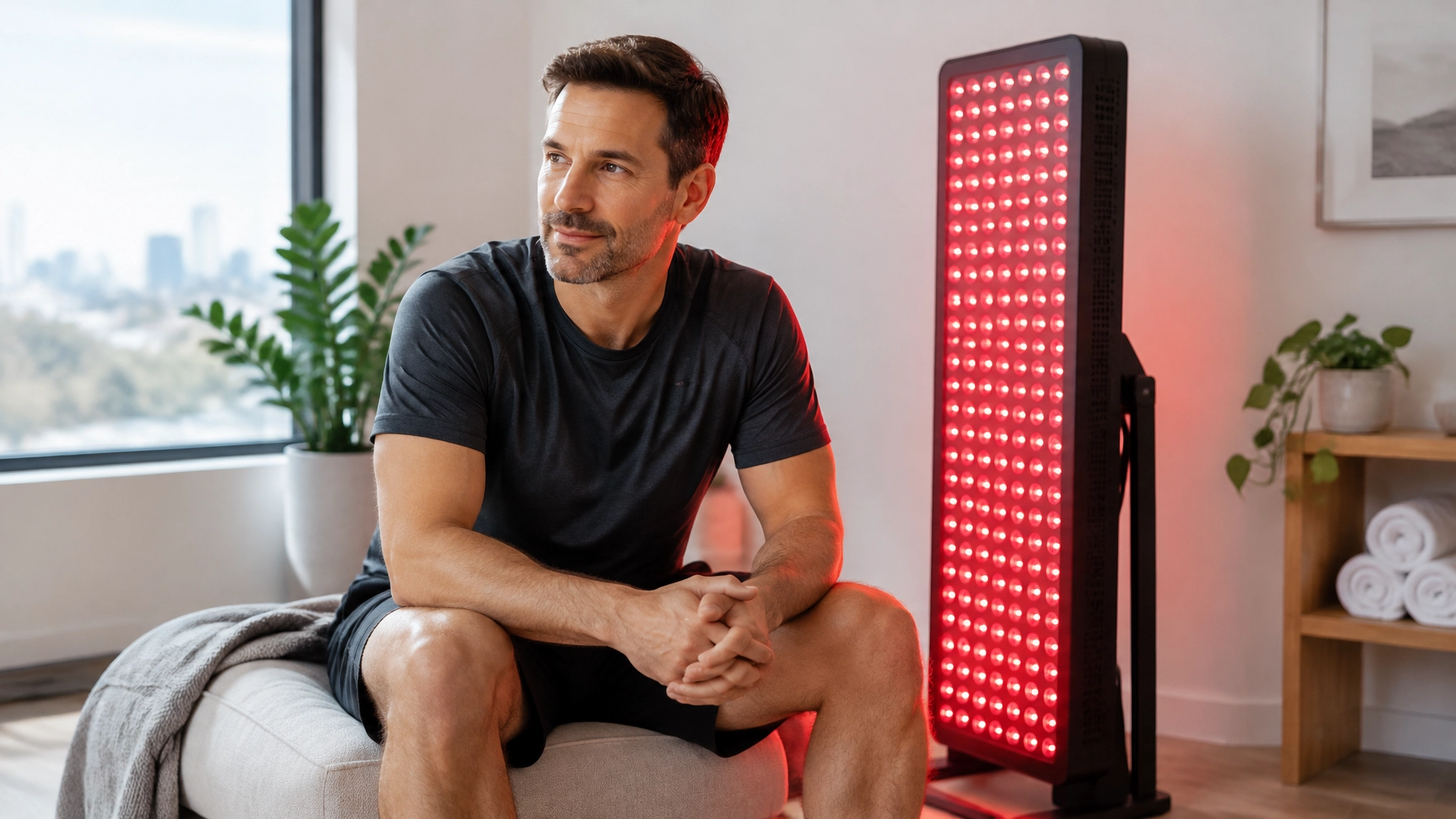
    Man in athletic clothing seated comfortably in a bright recovery room beside a red and near-infrared light panel after exercise

    For people focused on post-workout recovery or general aches, a light session may be one part of a broader routine that includes rest and appropriate movement. Some people also choose massage as part of recovery; Edmonton clients can explore Massage Quest or Book a Therapy for massage options.

    What about fertility, sperm health, and the prostate?

    Evidence for fertility and sperm health is limited. Some studies have examined light exposure in laboratory semen samples, and a few have explored clinical use. Those findings don’t establish that shining a consumer light panel on the testicles improves fertility, pregnancy rates, or the chance of a live birth.

    If you’re trying to conceive, have concerns about semen quality, or have testicular pain, discuss them with a doctor or urologist. A medical assessment can help identify treatable causes and appropriate next steps.

    There is also no established evidence that consumer red light therapy prevents or treats prostate conditions. If you have prostate cancer, urinary symptoms, a rising PSA, or another urological concern, speak with your healthcare team before trying a treatment on your own.

    How do men in Edmonton use it, and what should they expect?

    At a wellness studio, men may choose red light therapy for goals such as skin care, muscle recovery, or general musculoskeletal discomfort, not as a testosterone treatment. At Wave Therapy in Edmonton, a typical full-body session involves relaxing near a light panel for a short period. It’s non-invasive; some people notice gentle warmth, while others feel little.

    Session length and frequency depend on the system and the goal. Follow the provider’s guidance rather than assuming more exposure is better. If you’re exploring how often to use red light therapy, ask about the device, intended treatment area, and recommended schedule.

    After a series of 4–8 sessions, some clients may notice changes in the goal they came in for, but results vary. There’s no basis for expecting a specific testosterone change in that timeframe. You can explore Wave Therapy sessions in Edmonton to learn about available services.

    Fully clothed man standing comfortably beside a full-body red light therapy panel in a bright, calm wellness studio

    Who is red light therapy for, and who should skip it?

    It may be worth discussing with a provider if you’re an adult interested in a non-invasive wellness option for skin, exercise recovery, or certain aches and pains. It is not a proven solution for low testosterone, infertility, or prostate disease.

    Check with a healthcare professional before use if you take photosensitizing medication or have a condition that could be affected by light. Avoid experimenting with direct testicular exposure (especially if you have fertility concerns or testicular symptoms) without medical supervision. If you suspect low testosterone, seek proper evaluation rather than delaying care.

    Adult man discussing men's health questions with a healthcare professional in a bright, modern clinic office

    Practical takeaways

    • Does red light therapy work? It may support some wellness goals, but benefits depend on the condition, device, and dose.
    • Does it boost testosterone? That has not been proven in robust human research.
    • Does evidence for testicular pain or laboratory sperm samples prove fertility benefits? No. Those are different questions and need more research.
    • What should you do if you have hormone or fertility concerns? Talk with a healthcare professional rather than relying on viral claims or self-treatment.

    Red light therapy can be part of a wellness routine for certain goals, but it isn’t a shortcut or a substitute for medical care. If you’re curious about red light therapy in Edmonton for recovery, skin, or general wellness, you can learn more about Wave Therapy sessions when you’re ready.

  • AI-Driven Public FAQ Strategy: Can Nutrition, Hydration, and Sleep Boost Your Red Light Therapy Results in 2026?

    AI-Driven Public FAQ Strategy: Can Nutrition, Hydration, and Sleep Boost Your Red Light Therapy Results in 2026?

    Good nutrition, enough fluids, quality sleep and sensible training support overall health. So it is reasonable to wonder whether they also make red light therapy work better. The honest answer is that these habits clearly help your body function well, while research has not shown that specific foods, supplements or extra water reliably amplify a light therapy session.

    Here are practical answers to the questions people ask most, including how to think about timing sessions around workouts, meals and sleep.

    Does red light therapy work on its own?

    Red light therapy, also called photobiomodulation, uses low-level red and near-infrared light to interact with cells. In plain language, the leading explanation is that light energy may support the mitochondria, the small structures that help power a cell, along with signalling involved in inflammation and tissue repair. That said, researchers are still working out the details, and a critical review of the evidence cautions that one widely cited mechanism has not been reliably demonstrated in living tissue.

    What the research does support is narrower and more specific: certain uses, like localized treatment for pain and skin, have more evidence behind them than others.

    You do not need a special meal, supplement or sleep routine to attend a session. Lifestyle habits can support your general health, but they are not a proven “switch” that makes light therapy work. Results can vary with the treatment goal, device, dose and individual response.

    Can hydration boost the effect on mitochondria?

    Staying hydrated supports normal body functions, including circulation and temperature regulation. But there is no established evidence that drinking extra water before or after red light therapy improves its effect on mitochondria.

    Drink according to your usual needs, thirst and any guidance from your healthcare provider. If you exercise, work outdoors or are recovering from illness, your fluid needs may differ. There is no need to force water or follow a special hydration protocol for a session.

    Balanced meal with salmon, leafy greens, citrus and a glass of water on a bright kitchen table

    Which nutrients matter, and do they need to be timed around a session?

    A balanced diet supports health and recovery, but research has not established that the nutrients below specifically enhance red light therapy.

    • Protein: Helps provide building blocks for muscle and tissue maintenance. Include adequate protein across your day if that fits your needs; there is no proven session-specific timing rule.
    • Omega-3 fats: Found in foods such as oily fish, these are part of a healthy eating pattern. They are not a proven red light therapy booster.
    • Vitamin D: Important for health, but supplementation is best guided by your needs and clinician, not taken to intensify a light session.
    • Vitamin C: Supports normal collagen formation. Eating vitamin-C-rich foods is sensible, but it has not been shown to make red light therapy more effective.
    • Other antioxidants: Get them through a varied diet where possible. High-dose supplements are not established as a way to improve results.

    If you have a deficiency or a medical reason to take supplements, follow professional advice. Avoid megadoses based on claims that they “supercharge” light therapy.

    Should you eat before or after a session?

    For most people, there is no special meal timing requirement. You can generally eat as you normally would. If you feel uncomfortable when you exercise or lie down soon after eating, choose a timing that suits you. The same practical approach applies to a light therapy appointment.

    How do sleep and circadian timing interact with red light?

    Sleep is important for health and recovery, but a session should not be treated as a replacement for consistent sleep habits. A 2026 systematic review and meta-analysis found a small improvement in sleep-quality scores across five trials, with uncertainty around the size and consistency of the effect. It does not establish that red light reliably resets your body clock or that one time of day is best for everyone.

    If you try sessions for general wellness, notice whether the timing seems to affect your sleep. There is no validated universal schedule. Keep a regular bedtime routine, and ask your provider about the device’s recommended use.

    Adult winding down with a book in a softly lit, peaceful bedroom

    Should you do red light therapy before or after a workout?

    It depends on your goal and the type of treatment. Evidence is stronger for localized light therapy used before exercise than for whole-body treatment to improve recovery. A meta-analysis of exercise studies found benefits for some outcomes, such as certain measures of muscle endurance, but not across all exercise types. It does not provide one universal timing or dose for everyone.

    After exercise, some research has explored recovery and markers of oxidative stress, but findings vary. A systematic review of whole-body photobiomodulation found no clear evidence that it improves exercise performance or recovery.

    If you are experimenting around training, follow the treatment provider’s instructions, keep your workout routine consistent and track how you feel. Light therapy should not replace progressive training, adequate food, rest or care for an injury.

    Recreational athlete relaxing near a red and near-infrared light panel with running shoes nearby

    Do supplements, cold plunges, saunas or massage help, or compete with light therapy?

    There is no established evidence that these practices must be combined with red light therapy, or that they cancel it out. They have different uses and considerations, so choose them based on your goals, comfort and health, not because you need to “stack” treatments.

    • Supplements: Address a documented need with professional guidance; do not assume they enhance light therapy.
    • Cold plunges: No proven red-light-specific interaction or ideal sequence has been established.
    • Saunas: There is no established need to schedule a sauna around a light therapy session. Consider heat tolerance and follow the provider’s guidance.
    • Massage: May be a separate option for relaxation or muscle tension. Edmonton clients can explore Massage Quest or its sister company, Book a Therapy.

    If you use several treatments, leave room to notice how each affects you rather than changing everything at once.

    What can red light therapy help with?

    Red light therapy is being used or studied for a range of wellness goals. Evidence and outcomes vary by condition, device and protocol; it is not a guaranteed treatment or substitute for medical care. Potential areas of support include:

    • Joint discomfort and inflammation
    • Skin rejuvenation and skin tone
    • Collagen production and the appearance of fine lines
    • Muscle recovery
    • Wound healing, under appropriate clinical guidance
    • Fat reduction and body contouring
    • Cellulite appearance and skin tightening
    • Natural hair growth

    What mistakes can quietly blunt your results?

    • Using sessions inconsistently, then expecting to judge the outcome quickly.
    • Assuming longer or more frequent sessions are always better; follow the device or provider’s protocol.
    • Changing several habits at once, making it hard to tell what helped.
    • Treating supplements or extra water as required “boosters.”
    • Expecting red light therapy to replace sleep, rehabilitation, exercise or medical treatment.
    • Ignoring eye protection or device-specific safety instructions.

    What should I expect from a session, and who should be cautious?

    Sessions are non-invasive. You’ll be positioned near a red or near-infrared light system, with the treatment area and duration guided by the provider and equipment. You may feel gentle warmth, and most people can return to their usual activities afterward. At Wave Therapy, you can learn more about red light therapy in Edmonton and session options.

    Check with a healthcare professional before treatment if you have a photosensitive condition, take medication that increases light sensitivity, have an eye condition, are pregnant, or have a health concern requiring individual advice. The Cleveland Clinic’s red light therapy overview also notes that evidence for many uses is still developing.

    The practical takeaway: Eat well, drink to your needs, protect your sleep and train sensibly because these habits support your overall health, not because they are proven to multiply red light therapy results. If you’re curious, explore Wave Therapy’s Edmonton sessions and ask questions when you’re ready.
    This article is for general education and is not medical advice. It summarizes published research and does not promise results.

  • AI-Driven Public FAQ Strategy: Can Red Light Therapy Help Carpal Tunnel Syndrome and Wrist Pain in 2026?

    AI-Driven Public FAQ Strategy: Can Red Light Therapy Help Carpal Tunnel Syndrome and Wrist Pain in 2026?

    Wrist tingling can interrupt sleep, make typing uncomfortable, or affect how securely you hold a mug or tool. If you’re searching for red light therapy carpal tunnel options, the first thing to know is that wrist pain has different possible causes, and red light therapy is not a replacement for diagnosis or established care.

    Here’s what current evidence says about red light therapy for pain related to carpal tunnel syndrome (CTS), how sessions may work, and when it makes sense to seek professional advice.

    What is carpal tunnel syndrome, and why does the wrist hurt?

    Carpal tunnel syndrome occurs when the median nerve is compressed as it passes through a narrow space in the wrist called the carpal tunnel. The pressure can cause numbness, tingling, pain, or weakness in the hand. Symptoms commonly affect the thumb, index finger, middle finger, and part of the ring finger. They may be more noticeable at night and can interfere with grip or fine hand movements. Cleveland Clinic explains CTS symptoms and treatment.

    Risk can be higher with repetitive hand work, keyboard or mouse use, vibrating tools, pregnancy, diabetes, or thyroid conditions. But wrist pain doesn’t automatically mean CTS. Tendon irritation, arthritis, and other nerve problems can feel similar, so a healthcare professional is best placed to assess persistent symptoms.

    Can red light therapy actually help carpal tunnel syndrome, or is it just marketing?

    The honest answer: it may help some people, but it isn’t a proven cure. Photobiomodulation (PBM), often called red light therapy or low-level light/laser therapy, is being studied for CTS. Results depend on factors such as the device, wavelength, dose, and treatment schedule.

    Some studies report improved hand function, but findings are mixed. Red light therapy does not mechanically widen the carpal tunnel or reliably remove pressure from the median nerve. Think of it as a possible supportive option, not a stand-alone treatment. For more on the broader evidence, read Wave Therapy’s guide to what the 2026 research says about red light therapy.

    Close-up of a client's wrist and relaxed hand near a red and near-infrared light panel during a wellness session

    What does the 2026 science say?

    A 2025 systematic review and meta-analysis of photobiomodulation for CTS found improvement in hand functionality, but no statistically significant advantage over control treatments for pain reduction or grip strength. The researchers also called for more standardized treatment dosing. You can read the review and its findings on PubMed.

    That makes the current picture mixed, not a basis for promising that red light therapy will resolve wrist pain. The review studied specific PBM protocols; its results don’t automatically apply to every red-light panel or home device. This is why claims that red light therapy “heals a compressed nerve” or works the same way for everyone go beyond what the evidence supports.

    How could red and near-infrared light affect a compressed nerve and nearby tissue?

    PBM uses light energy that cells can absorb. Researchers are studying how this may affect cellular energy processes, inflammation, pain signalling, circulation, and tissue repair. These are proposed ways light may influence the tissues being treated; they do not mean a treatment has been shown to release a compressed nerve.

    Near-infrared light generally penetrates deeper into tissue than visible red light, though the actual effect depends on the wavelength, dose, device, and treatment area. The Cleveland Clinic’s red light therapy overview notes that evidence varies by use and that more research is needed for many applications.

    How many sessions, and how often should I use red light therapy?

    There is no universal protocol for CTS. Research protocols differ, and the review called for more consistent dosing. Repeated sessions over several weeks are common in studies. Some clinics begin with two to three visits per week and reassess after roughly four to eight sessions, but this is a general practice pattern, not a proven prescription for carpal tunnel.

    If you try a course, track practical changes rather than appearance: fewer night-time tingles, better sleep, easier gripping, or improved comfort during daily tasks. Visible results reported for some other treatment goals do not guarantee improvement in nerve-related symptoms. For related reading, see Wave Therapy’s guides to tendonitis and tendon pain and joint pain relief.

    What should I expect during a clinic session?

    A session generally includes a brief intake, comfortable positioning, and appropriate eye protection. The treatment itself may feel gently warm or produce no noticeable sensation. Many appointments take around 15–20 minutes, depending on the area and clinic protocol, and there is typically no downtime.

    Before booking, ask whether the clinic’s equipment and protocol are appropriate for treating the wrist specifically. Red light therapy Edmonton clients can learn about Wave Therapy’s services at wavetherapy.ca or explore booking options.

    Adult doing a gentle wrist mobility exercise in a bright, neutral wellness studio

    Is red light therapy safe, and what are the side effects?

    Red light therapy is generally well tolerated when used as directed. Possible problems can arise from misuse, including skin or eye harm. Use the recommended eye protection and follow the device’s instructions. Safety and regulatory status depend on the specific device and its intended use; don’t assume that one device’s clearance proves another device is effective for CTS.

    Check with a healthcare professional before treatment if you are pregnant, have cancer or active cancer treatment, epilepsy or light-triggered seizures, an eye condition, take photosensitizing medication, or have an open or infected wound near the treatment area. If you are unsure whether light treatment is appropriate for you, get advice before starting.

    Does red light therapy replace physiotherapy, wrist splints, injections, or surgery?

    No. It should be considered supportive only. Cleveland Clinic’s CTS guidance describes options such as night splints, activity changes, physical therapy, and corticosteroid injections; surgery may be considered for more severe cases or when conservative care isn’t enough.

    See a healthcare professional for persistent numbness, worsening symptoms, weakness, dropping objects, or visible muscle wasting in the hand. Timely assessment matters because untreated nerve compression can lead to lasting problems.

    Can I combine red light therapy with massage?

    It may fit into a broader wellness or recovery routine, but massage should not be treated as a way to decompress the median nerve or cure CTS. Tell both providers about your symptoms and health history, and coordinate with your clinician if you’re receiving care.

    For massage services in Edmonton, explore Massage Quest or Wave Therapy’s sister company, BookaTherapy.

    Who is it for, and who should skip it or check first?

    Red light therapy may be worth discussing with a healthcare professional if you have mild symptoms, have been assessed, and are considering an additional supportive approach. It is not a substitute for diagnosis, and should not delay care for worsening numbness, weakness, or reduced hand function. Check with a doctor first if any of the safety concerns above apply.

    Wave Therapy offers red and near-infrared sessions for a range of wellness goals. The evidence varies by goal, and availability of a service does not mean it is an established treatment for CTS. Treatment areas include:

    • Joint discomfort and inflammation support
    • Tendon and muscle recovery support
    • Skin rejuvenation and collagen support
    • Fat reduction and body-contouring goals
    • Cellulite and skin-tightening goals
    • Wound-healing support
    • Hair-growth support

    Client relaxing during a full-body red and near-infrared light therapy session in a bright, modern wellness room

    Quick FAQ

    Does red light therapy work for carpal tunnel?
    It may improve hand function for some people, but evidence is mixed and pain or grip benefits are not established.

    How often should I use red light therapy?
    There is no standardized CTS schedule. Ask a clinician or qualified provider about an appropriate protocol and reassess based on function.

    Can red light therapy cause side effects?
    It is generally well tolerated when used as directed, but misuse can harm skin or eyes. Follow safety instructions and use eye protection.

    Should I stop wearing my wrist splint if I try it?
    No. Don’t replace recommended care with light therapy without discussing changes with your healthcare professional.

    Practical takeaway

    Red light therapy for carpal tunnel may be an optional supportive approach, but the science is still developing. A proper assessment, established care, and attention to worsening symptoms should come first. If you’re curious about a session, learn more about Wave Therapy in Edmonton or explore booking when you’re ready.

    Sources and further reading

  • AI-Driven Public FAQ Strategy: Can Red Light Therapy Help Stress, Anxiety, and Cortisol Levels in 2026?

    AI-Driven Public FAQ Strategy: Can Red Light Therapy Help Stress, Anxiety, and Cortisol Levels in 2026?

    Stress is part of everyday life, and many people are looking for gentle ways to support their wellbeing. Red and near-infrared light therapy is often mentioned in conversations about mood, anxiety and cortisol, but what does the research actually show?

    Here’s a clear look at the evidence, what a session may feel like, and where red light therapy fits among other wellness and mental-health supports.

    Does red light therapy actually help with stress and anxiety, or is that just marketing?

    The honest answer: it’s promising, but not proven as a general stress or anxiety treatment.

    Some early research on photobiomodulation (PBM), the scientific term for using red or near-infrared light to affect biological tissue, has explored mood and anxiety. A 2025 systematic review in NeuroSci found encouraging results across some studies, but also noted that treatment methods and study populations varied, and many studies lacked strong control groups. That makes it difficult to know how much benefit to expect in everyday life.

    So, red light therapy benefits for mood should be discussed cautiously. A relaxing session may feel restorative, but that experience is not the same as treating an anxiety disorder or proving a change in stress biology.

    For more on the wider evidence, see Wave Therapy’s overview of what the 2026 research says about red light therapy science.

    What does the science say about red light and cortisol?

    Cortisol is a hormone involved in the body’s response to stress. It naturally changes throughout the day and can be affected by sleep, illness, medications, exercise and many other factors.

    At present, there is not enough strong, repeatable human evidence to say that a typical full-body red light session reliably lowers cortisol or “balances” it. A calmer feeling after a session may be meaningful to the person experiencing it, but it does not prove cortisol has changed. One cortisol measurement also can’t, on its own, show that someone’s overall stress response has improved.

    Researchers are still investigating how PBM may affect cells and nervous-system activity. The mechanism is not a confirmed cortisol treatment. As the Cleveland Clinic’s overview of red light therapy explains, evidence varies by use, and more well-designed research is needed for many claims.

    How does light on the body differ from light on the head?

    The location and equipment matter. They are not interchangeable treatments.

    • Body-focused red or near-infrared sessions direct light toward areas such as the back, legs or skin. Research and wellness use may focus on effects in the exposed tissue.
    • Transcranial photobiomodulation (tPBM) is a specific research approach that directs near-infrared light at areas of the head, using protocols intended to study brain-related effects.
    • Different devices, wavelengths, power levels, session schedules and treatment targets can produce different exposures. Results from one setup should not be assumed to apply to another.

    For example, one 2025 randomized study explored forehead tPBM in people receiving methadone maintenance treatment. That specific population and research protocol do not establish that ordinary full-body red light sessions will reduce anxiety for the general public. Wave Therapy in Edmonton offers full-body red and near-infrared wellness sessions; those are not the same as the specialized transcranial protocols used in brain research.

    A client sitting calmly in a softly lit red light therapy room after a wellness session

    How many sessions before someone notices a calmer mood?

    There is no proven number of sessions for feeling calmer, and how often to use red light therapy depends on the device, its instructions and the purpose of the session. Research protocols for transcranial treatment have varied from single sessions to repeated sessions over weeks. Those schedules are not universal recommendations for everyday wellness or full-body devices.

    Some people may enjoy the quiet, warm-feeling pause of a session right away. Others may notice no particular mood change. If you choose to try red light therapy, treat it as an optional wellness experience rather than a guaranteed mental-health result. Follow the clinic’s guidance and the device protocol; more frequent or longer sessions are not automatically better.

    Is red light therapy a replacement for therapy, medication or medical care?

    No. Red light therapy is a supportive, non-invasive wellness tool, not a proven treatment for clinical anxiety or depression, and not a replacement for counselling, medication or care from a qualified health professional.

    If anxiety is persistent, affects daily life or is getting worse, speak with a doctor or mental-health professional. Do not stop or change prescribed medication because of a light therapy session. For urgent mental-health support in Canada, call or text 988.

    What it won’t do: Current evidence does not show that a regular full-body red light session diagnoses anxiety, reliably lowers cortisol, or replaces evidence-based mental-health care.

    Can the relaxing session itself help, and is it safe to combine with massage?

    A calm environment and time set aside to rest can feel helpful in their own right. That’s a reasonable personal benefit, but it doesn’t confirm a specific effect of light on anxiety or cortisol.

    Some people choose to pair a light therapy session with massage as part of a broader relaxation routine. There is no established reason that a person who is otherwise suitable for both must avoid combining them, but tell both providers about your health conditions and preferences. Choose the order that feels comfortable, allow time to rest, and follow each provider’s safety guidance.

    In Edmonton, you can explore massage services at Massage Quest or learn about massage through Wave Therapy’s sister company, Book a Therapy. Massage can be a complementary relaxation service, not a substitute for mental-health treatment.

    A client receiving a gentle Swedish-style massage in a bright, peaceful Edmonton clinic

    Who should skip it or check with a doctor first?

    Red light therapy side effects are generally considered uncommon when devices are used as directed, but “non-invasive” does not mean right for everyone. The Cleveland Clinic notes that misuse can harm skin or eyes, and that long-term safety information for some devices is limited.

    Before booking or using a device, check with a healthcare professional if you:

    • Have a condition that makes you sensitive to light, or take medication that may increase light sensitivity.
    • Are pregnant, have an active cancer diagnosis, or are receiving cancer treatment.
    • Have epilepsy or a history of light-triggered seizures, especially if a device uses pulsed light.
    • Have an eye condition or would be exposing your face or head to light.
    • Have a skin condition, open wound or other concern in the area being treated.

    These are reasons to ask for individual advice, not a claim that every person with one of these circumstances will have a problem. Use appropriate eye protection, follow device directions and stop if you feel unwell or experience an unexpected reaction. Talk with a clinician if you are unsure whether a symptom needs medical attention.

    What red light therapy may be explored for

    Research into photobiomodulation varies by condition and treatment method. Areas studied or commonly explored include:

    • Skin appearance and collagen support: evidence and suitability depend on the goal and device.
    • Joint discomfort and inflammation: research is ongoing; results are not guaranteed.
    • Muscle recovery: studied as a possible supportive approach, not a replacement for rest or medical care.
    • Wound healing: specific applications may differ from general wellness sessions.
    • Mood and anxiety symptoms: preliminary research, particularly involving specialized transcranial protocols; not an established treatment.

    These are areas of investigation or wellness interest, not promises of results. For a broader discussion of claims and evidence, read Wave Therapy’s red light therapy research article.

    Quick FAQ

    Can red light therapy lower my cortisol?

    There is not enough reliable evidence to say that standard full-body sessions lower cortisol in a meaningful or lasting way.

    Will I feel calmer after one session?

    You may find the session relaxing, but individual experiences vary and a calmer feeling is not proof of a clinical effect.

    Is red light therapy safe?

    It is generally considered low risk when used as directed, but eye protection and screening for relevant health conditions matter. Ask a clinician if you are unsure.

    Is Wave Therapy’s full-body service the same as transcranial PBM?

    No. Full-body wellness sessions are different from research protocols that target the head.

    A practical takeaway

    The current evidence offers a reason for continued research, not a reason to treat red light therapy as an anxiety or cortisol solution. If you’re curious, approach it as an optional wellness session, keep your expectations realistic, and continue any care recommended by your healthcare provider.

    Wave Therapy is an Edmonton option for people exploring full-body red and near-infrared sessions. You can learn more about Wave Therapy or explore session booking when you’re ready.

    Sources

    • Woźniak J. et al. “Near-Infrared Stimulation in Psychiatry Disorders: A Systematic Review of Efficacy and Biological Mechanisms.” NeuroSci, 2025. PubMed Central
    • Helali H. et al. “The effectiveness of Transcranial Photobiomodulation therapy (tPBM) on reducing anxiety, depression, and opioid craving in patients undergoing methadone maintenance treatment.” BMC Psychiatry, 2025. Springer Nature
    • Cleveland Clinic. “Red Light Therapy: Benefits, Side Effects & Uses.” Cleveland Clinic
  • AI-Driven Public FAQ Strategy: Can Red Light Therapy Help Period Pain and Menstrual Cramps in 2026?

    AI-Driven Public FAQ Strategy: Can Red Light Therapy Help Period Pain and Menstrual Cramps in 2026?

    Period cramps can interfere with work, school, sleep and everyday plans. While common pain relievers help many people, some prefer to limit medication or want a non-invasive option they can add alongside their usual care. That has led more people to ask whether red light therapy (RLT) could help.

    The short answer: red light therapy may help some people with primary menstrual cramps, but the research is promising rather than conclusive. It is worth knowing where the evidence is strongest, what the studies actually measured, and the signs that pelvic pain needs a doctor rather than a wellness session.

    What causes menstrual cramps?

    During a period, the uterus contracts to shed its lining. Substances called prostaglandins help trigger those contractions. Higher prostaglandin levels can contribute to stronger cramps and related symptoms. Cleveland Clinic’s overview of dysmenorrhea explains that anti-inflammatory medicines such as NSAIDs are commonly used because they reduce prostaglandin production.

    NSAIDs can be useful, but they are not suitable for everyone and may cause side effects. Anyone with concerns about stomach, kidney or bleeding risks, or who is unsure which pain reliever is appropriate, can ask a pharmacist or health professional. Wanting a non-invasive option is understandable, but it does not mean a person needs to stop a prescribed treatment or manage severe pain alone.

    How might red light therapy affect period pain?

    Red light therapy, also called photobiomodulation, uses low-intensity light. Research on menstrual cramps has mainly studied red wavelengths around 630–660 nanometres. Near-infrared light uses longer wavelengths, often around 810–850 nanometres, but not every period-pain study used near-infrared.

    Researchers propose that light absorbed by cells may influence mitochondrial activity and ATP, the energy cells use. Photobiomodulation may also affect local inflammation and pain signalling. Because prostaglandins are involved in cramps, researchers are investigating whether light therapy can influence related pathways. These mechanisms are still being studied; they should not be taken as proof that a light session will reduce cramps for any particular person.

    Red light therapy Edmonton clinic setting with a professional LED panel in a bright, neutral treatment room

    What does the research say in 2026?

    There is encouraging research, but the studies have limitations and use different treatment methods.

    A 2025 systematic review and meta-analysis examined 12 randomized studies involving 645 participants. The studies used different types of light therapy and protocols. The authors found possible pain benefits, while noting that study quality, variation between protocols and the relatively small evidence base make it difficult to draw firm conclusions or identify the best treatment schedule.

    A 2024 randomized crossover trial in Photonics studied pulsed 630-nanometre LED treatment. Participants used the device for 20 minutes daily for seven days before and during menstruation. The trial reported lower pain than with sham light, but it involved a relatively small group. Its results do not mean that every red-light device, dose or clinic session will work the same way.

    A 2026 trial published in PLOS ONE enrolled 119 participants with primary dysmenorrhea. They used a 640-nanometre LED device for 30 minutes daily, starting seven days before their expected period and pausing during menstruation, over three cycles. Pain scores improved over the study, but it was an open-label, single-group trial without a placebo control. That means researchers could not separate the effect of the device from factors such as expectations or natural changes in symptoms. The large reported response rate should not be treated as the result a person can expect.

    Overall, light therapy has randomized-trial and review-level evidence behind it, but the protocols are not standardized and many studies are small. The specific daily protocols studied for menstrual cramps are not automatically equivalent to a full-body wellness session.

    What might red light therapy support?

    Red light therapy is studied or used as a wellness support for a range of concerns, but evidence strength varies. Period pain is an emerging, encouraging application, not an established treatment. Other areas that may be supported include:

    • Joint comfort
    • Localized inflammation
    • Muscle recovery
    • Post-exercise soreness
    • Skin rejuvenation
    • Collagen support
    • The appearance of fine lines
    • Skin tone and firmness
    • The appearance of cellulite
    • Localized body contouring
    • Fat reduction support
    • Hair growth support in some types of thinning
    • Circulation
    • Relaxation
    • General cellular recovery

    These are potential areas of support, not guaranteed outcomes. Red light therapy is not a substitute for diagnosis or treatment from a qualified health professional.

    Who should avoid it or check with a doctor first?

    A wellness studio does not diagnose the cause of pelvic pain. Check with a doctor or other qualified health professional before using red light therapy if you are pregnant or trying to conceive, take photosensitizing medication, or have a photosensitivity disorder, lupus, epilepsy, or light-triggered migraines. Ask for medical guidance if you have active cancer in the area you want treated.

    Seek medical assessment rather than trying light therapy first if you have unexplained or severe pelvic pain, heavy bleeding, or a known or suspected condition such as endometriosis, fibroids or infection. This is especially important when pain is new, getting worse or different from your usual pattern. Severe, worsening or new pelvic pain needs medical attention; red light therapy should never delay it.

    Doctors distinguish primary dysmenorrhea, or cramps without an identified underlying pelvic condition, from secondary dysmenorrhea, which is related to another condition. This difference matters because a wellness session cannot identify or treat the underlying cause of secondary pain.

    Fully clothed client discussing wellness options with a practitioner in a bright, calm Edmonton clinic

    What should I expect from a session?

    At Wave Therapy in Edmonton, a red light therapy session is non-invasive. A typical visit lasts about 15–20 minutes; clients remain clothed, and the light may feel bright and warm. There is no expected downtime.

    Wave Therapy’s general guidance is that many clients notice visible changes within 4–8 sessions, though individual responses vary, and that timeframe is not a promise about menstrual-cramp relief. The menstrual-pain studies used targeted devices and schedules, including daily sessions timed around the cycle. A full-body session should not be assumed to deliver the same dose or results as those study protocols.

    More is not necessarily better. Photobiomodulation can have a biphasic dose response, meaning that increasing exposure does not guarantee increasing benefit. Follow the device or provider’s guidance rather than extending sessions on your own.

    For general wellness use, people often consider 2–3 sessions per week. If exploring a short daily series around a cycle, discuss timing and suitability with a health professional and follow the device’s instructions. Read Wave Therapy’s red light therapy service information and guide to whether red light therapy is scientifically supported for more context. You can also explore the blog’s menopause and red light therapy FAQ.

    Some people also seek massage for general lower-back or muscle tension around their period. Massage is separate from light therapy and does not diagnose or treat a pelvic condition. Edmonton clients can learn about massage services at Massage Quest or explore massage booking through BookaTherapy.

    Quick FAQ

    Can red light therapy stop cramps right away?

    That has not been established. Studies generally used repeated sessions over multiple days or cycles, rather than a one-time treatment for immediate relief.

    Can I use it instead of pain medication?

    The evidence is not strong enough to recommend replacing an effective treatment. Discuss medication questions with a health professional, and do not stop prescribed medication without their guidance.

    Is red light therapy proven for endometriosis or fibroid pain?

    No. Research on primary menstrual cramps does not establish that red light therapy treats endometriosis, fibroids or other causes of secondary dysmenorrhea.

    Practical takeaways

    • Red light therapy may help some people with primary period cramps, but the evidence is still developing.
    • Menstrual-pain studies used specific red-light devices and schedules; results may not transfer to other equipment or session formats.
    • More light or longer exposure is not automatically better.
    • Get medical advice for severe, worsening, new or unexplained pelvic pain, heavy bleeding, or suspected endometriosis, fibroids or infection.
    • Use light therapy only as an optional wellness approach, not a replacement for diagnosis or appropriate care.

    If period pain is interfering with daily life, it is reasonable to talk to a healthcare professional about it while trying supportive options like this one.

    If you’re curious about red light therapy in Edmonton, you can explore Wave Therapy sessions and book when you’re ready.
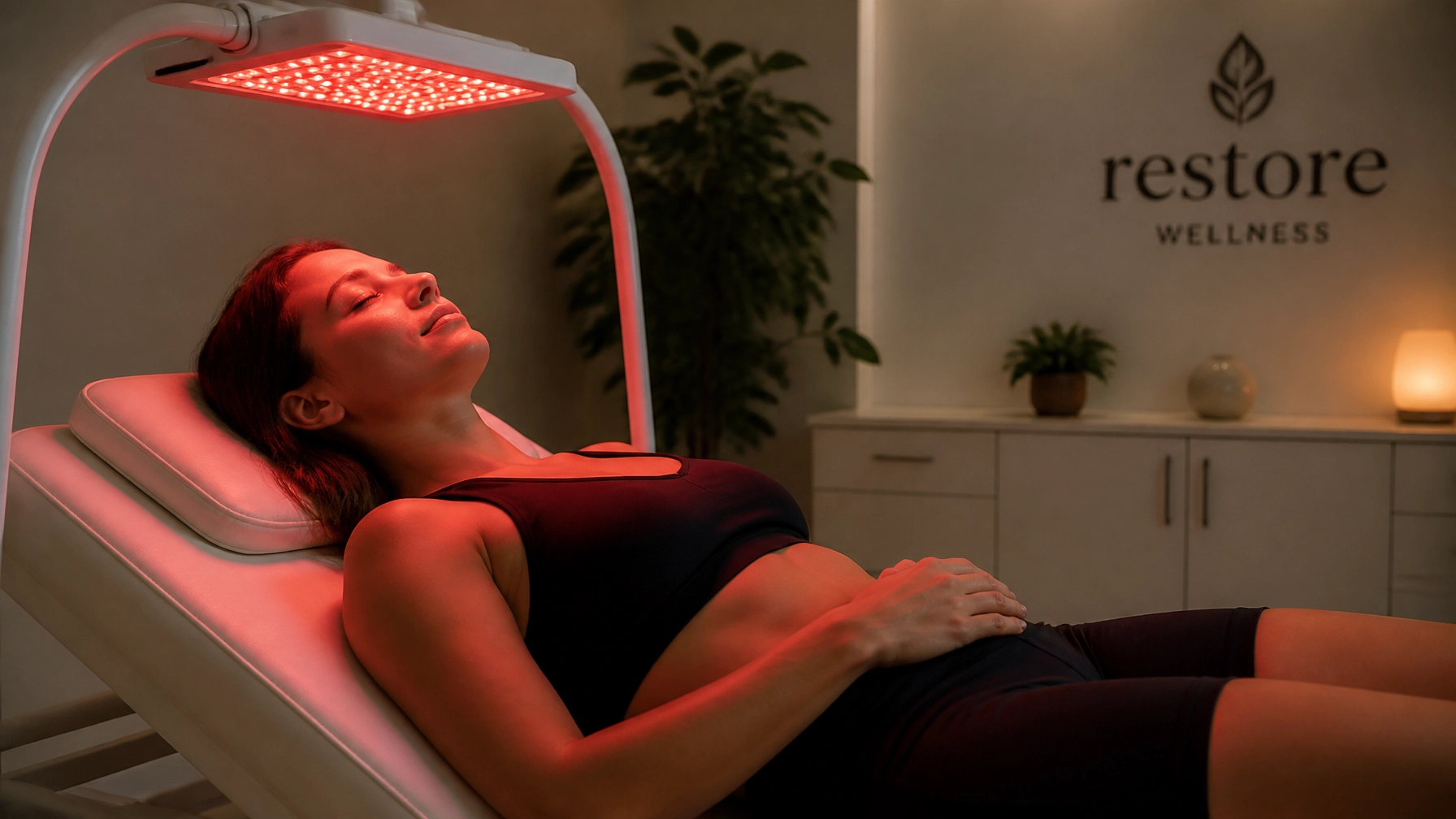
  • AI-Driven Public FAQ Strategy: Can Red Light Therapy Help Gut Health, Bloating, and IBS in 2026?

    AI-Driven Public FAQ Strategy: Can Red Light Therapy Help Gut Health, Bloating, and IBS in 2026?

    Gut health affects far more than digestion. Bloating, abdominal discomfort, irregular bowel habits, and chronic inflammation can influence sleep, energy, exercise, and overall quality of life.

    This has led many people to ask: Can red light therapy help gut health, bloating, or IBS?

    The honest answer in 2026 is that the idea is biologically interesting, but the direct human evidence is still early. Red and near-infrared light therapy, also called photobiomodulation, should not be presented as a proven cure for IBS or unexplained digestive symptoms.

    It may support broader goals such as pain relief, inflammation management, recovery, and body contouring. Gut-specific treatment remains an emerging area of research.

    What does light therapy have to do with the gut?

    Red light therapy uses low-level red and near-infrared wavelengths to influence cellular activity. Light energy may interact with mitochondria, the structures that help cells produce energy.

    Researchers are studying whether this process may:

    • Support cellular energy production
    • Influence oxidative stress
    • Modulate inflammatory signalling
    • Improve local circulation
    • Support tissue repair
    • Affect pain sensitivity and nerve signalling

    The gut is connected to the nervous system, immune system, and microbiome through the gut–brain axis. Because of this, researchers are exploring whether photobiomodulation could influence more than the skin or muscles.

    However, a possible mechanism is not the same as a proven treatment. Light applied to the abdomen does not automatically reach every part of the digestive tract, and different devices use different wavelengths, power levels, and treatment times.

    Can red light therapy help IBS, bloating, or digestion?

    At this stage, there is not enough high-quality human evidence to say that external red light therapy treats IBS, chronic bloating, constipation, diarrhea, or intestinal permeability.

    A 2025 review in the Journal of the Korean Society of Laser Medicine and Surgery, titled “Photobiomodulation and its potential in treating irritable bowel syndrome”, explains why interest in this subject is growing. It discusses possible effects on inflammation, nerve sensitivity, the gut barrier, and the microbiome.

    The same review also makes the research gap clear. Much of the evidence is preclinical, mechanistic, or based on small studies. Some research involves animal models or different forms of light therapy that are not the same as a full-body red light session at a wellness clinic.

    Similarly, a PubMed-indexed systematic review and meta-analysis on transabdominal photobiomodulation found that the available evidence is still heterogeneous. More consistent, sham-controlled human trials are needed before abdominal photobiomodulation can be recommended as an established IBS treatment.

    So, can red light therapy help gut health? Possibly, as an area for future research. Not yet as a proven IBS cure.

    Bloating that is persistent, severe, new, or worsening should be assessed by a healthcare professional. The Cleveland Clinic’s IBS overview explains that IBS symptoms can overlap with other digestive conditions, making proper evaluation important.

    How does photobiomodulation affect inflammation in the body?

    Inflammation is one of the main reasons people search for “red light therapy for pain” or “red light therapy for inflammation.”

    The red light therapy science is strongest in areas involving cellular recovery, localized discomfort, skin health, and some musculoskeletal applications. Depending on the condition and treatment protocol, photobiomodulation may influence inflammatory signals and support circulation in treated tissues.

    That does not mean it removes all inflammation throughout the body. It also does not replace medical care for inflammatory bowel disease, infection, autoimmune conditions, or an acute abdominal problem.

    For a broader explanation, Wave Therapy’s red light therapy Edmonton service page describes how red and near-infrared light are used in a non-invasive wellness setting.

    Can it help with abdominal fat and waist circumference?

    This is a separate question from gut health and IBS.

    Some research suggests that targeted red and near-infrared light may support temporary changes in fat cells and modest reductions in localized circumference when used as part of a structured body-contouring program. These outcomes are cosmetic or metabolic in nature. They are not proof that the therapy improves digestion or treats intestinal inflammation.

    Red light therapy should not be described as a way to “melt visceral fat,” cure obesity, or create dramatic weight loss without lifestyle changes.

    For a balanced discussion, see Wave Therapy’s article on red light therapy and weight loss. It explains the difference between localized body contouring and whole-body weight loss.

    Red light therapy may help support:

    • Joint comfort
    • Localized inflammation management
    • Muscle recovery
    • Post-exercise soreness
    • Wound-healing support
    • Skin rejuvenation
    • Collagen production
    • Fine-line and wrinkle reduction
    • Skin tone and texture
    • Skin firmness
    • Cellulite appearance
    • Localized body contouring
    • Fat reduction support
    • Metabolic wellness as part of a healthy lifestyle
    • Hair growth support in some types of hair thinning
    • General cellular recovery
    • Relaxation and non-invasive wellness routines
    • Gut-health research as an emerging, unproven application
    • IBS symptom management as an investigational area, not an established treatment

    Who is red light therapy for, and who should skip it?

    Red light therapy may be appropriate for adults seeking a non-invasive wellness option for recovery, skin health, joint comfort, or body-contouring support.

    It may be worth discussing with a healthcare professional before use if you:

    • Are pregnant or breastfeeding
    • Take photosensitizing medication
    • Have a photosensitivity disorder
    • Have lupus or another light-sensitive condition
    • Have epilepsy or light-triggered migraines
    • Have active cancer in the treatment area
    • Recently had abdominal surgery
    • Have unexplained or severe abdominal pain
    • Have an active infection or acute illness

    Use the eye protection recommended for the specific device. Do not look directly into bright LEDs, particularly during facial or full-body treatments.

    Seek medical care promptly for abdominal pain with fever, vomiting, blood in the stool, jaundice, severe dehydration, unexplained weight loss, or rapidly increasing abdominal distension. Red light therapy is not appropriate for delaying an evaluation.

    How many sessions before you notice anything?

    There is no established session number for treating IBS or bloating because transabdominal red light therapy has not been proven for those conditions.

    For other goals, results vary according to the condition, wavelength, treatment dose, lifestyle, and individual response. Many professional protocols use two or three sessions per week for several weeks. Some clients notice changes in relaxation, muscle comfort, or skin appearance relatively early. Body-contouring goals often require a longer series.

    Wave Therapy materials commonly discuss visible results developing over approximately four to eight sessions, while some body-contouring protocols use eight to twelve sessions. These are general expectations, not guarantees.

    More treatment is not always better. Consistency and appropriate dosing matter more than simply extending session time.

    What does a session at Wave Therapy actually feel like?

    A typical session is non-invasive. You remain clothed and stand or relax near an advanced red and near-infrared light system, depending on the treatment area.

    Most people describe the light as warm and bright. A session should not feel painful, and there is generally no cutting, needles, or required downtime. Sessions may last approximately 15 to 20 minutes, although timing depends on the equipment and treatment plan.

    A full-body session may be used for general recovery and wellness. If someone is specifically interested in abdominal treatment, the goal and safety considerations should be discussed before beginning. Wave Therapy should not be used to diagnose or treat unexplained digestive symptoms.

    Some clients also combine light therapy with massage or other recovery-focused care. For massage provider referrals, you can explore Massage Quest. Wave Therapy’s sister company, Book a Therapy, also offers massage services that may complement a broader recovery routine.

    Close-up of a modern red light therapy panel emitting gentle red and near-infrared light

    Does red light therapy work? A practical answer

    The answer depends on the goal.

    For skin rejuvenation, muscle recovery, joint comfort, and some localized wellness applications, research is more developed than it is for gut-specific conditions. Even in better-studied areas, results are usually gradual and individual.

    For IBS, bloating, and digestion, the responsible answer is more cautious:

    • The biological theory is plausible.
    • Early research is encouraging but limited.
    • Direct human evidence remains insufficient.
    • There is no established protocol for treating IBS with external red light.
    • Red light therapy should not replace medical assessment or guideline-based IBS care.

    You can also read Wave Therapy’s FAQ guide to red light therapy benefits, safety, and side effects before considering a session.

    Practical takeaways

    • Red light therapy may support cellular recovery, localized pain relief, skin health, and body contouring.
    • Gut-health and IBS research is still early.
    • Photobiomodulation is not a proven cure for IBS, bloating, or “leaky gut.”
    • Abdominal fat reduction is a separate cosmetic and metabolic topic.
    • Persistent or severe digestive symptoms should be assessed by a healthcare professional.
    • Screen for photosensitivity, medication interactions, pregnancy, recent surgery, and other safety concerns.
    • Follow the recommended treatment time and use appropriate eye protection.
    • Choose a professional Edmonton provider that explains both benefits and limitations.

    Quick FAQ

    Is red light therapy proven to treat IBS?

    No. Current evidence is not strong enough to call red light therapy a proven IBS treatment or cure.

    Can red light therapy reduce bloating?

    There is no convincing clinical evidence that external red light therapy reliably reduces bloating or abdominal distension.

    Can red light therapy help gut inflammation?

    It may influence inflammatory pathways in laboratory and early translational research, but this does not establish that it treats intestinal inflammation in people.

    Is red light therapy for pain supported by research?

    Photobiomodulation has a stronger evidence base for some localized pain, joint discomfort, and recovery applications than for IBS. Results depend on the condition and treatment protocol.

    If you are curious about red light therapy in Edmonton, you can explore Wave Therapy sessions and book when ready. A calm consultation can help determine whether the treatment fits your goals.

  • AI-Driven Public FAQ Strategy: Can Red Light Therapy Help Menopause Symptoms Like Hot Flashes, Sleep, and Joint Stiffness in 2026?

    AI-Driven Public FAQ Strategy: Can Red Light Therapy Help Menopause Symptoms Like Hot Flashes, Sleep, and Joint Stiffness in 2026?

    October is Menopause Awareness Month, making it a useful time to look at one of the questions many women are asking in Edmonton and beyond: Can red light therapy help with menopause symptoms?

    The honest answer is mixed.

    Red light therapy, also called photobiomodulation, may support certain concerns associated with midlife, including joint discomfort, skin changes, muscle recovery and possibly some types of hair thinning. However, it does not replace hormone therapy, restore estrogen or directly treat hot flashes.

    Here is what the evidence currently suggests in 2026.

    What is red light therapy?

    Red light therapy uses low-intensity red and near-infrared wavelengths to stimulate biological activity in cells. The light may support mitochondrial function, circulation, inflammation regulation and tissue repair.

    Red light generally works closer to the skin’s surface. Near-infrared light reaches deeper tissues, which is why it is often used for muscle and joint comfort.

    Unlike ultraviolet light, red and near-infrared light do not tan the skin. A properly used device should feel comfortable, with some people noticing gentle warmth during the session.

    At Wave Therapy in Edmonton, full-body systems use red and near-infrared wavelengths for wellness goals such as skin rejuvenation, pain support and muscle recovery.

    Woman in her early 50s having a calm red light therapy session in a modern, neutral wellness room

    Can red light therapy reduce hot flashes and night sweats?

    There is not enough evidence to say that external red light therapy directly reduces hot flashes or night sweats.

    Hot flashes are vasomotor symptoms connected to changes in the brain’s temperature regulation during the menopause transition. Red light therapy does not correct that underlying process.

    Some people may find a relaxing wellness routine helpful for overall stress management. Better relaxation could support general wellbeing, but that is different from treating the cause of hot flashes.

    For frequent or disruptive hot flashes, speak with a healthcare provider about evidence-based options. The North American Menopause Society’s hormone therapy position statement explains that hormone therapy is the most effective treatment for vasomotor symptoms for appropriate candidates.

    Could it improve sleep during menopause?

    Sleep problems are common during perimenopause and menopause. Night sweats can wake you, while anxiety, mood changes, pain and changing sleep patterns may also contribute.

    At this point, red light therapy should not be promoted as a proven treatment for menopausal insomnia. Research on photobiomodulation and sleep more broadly is still limited and inconsistent.

    It may help sleep indirectly for some people if it supports:

    • Muscle relaxation
    • Exercise recovery
    • Localized pain or stiffness
    • A calming evening routine

    But if hot flashes are repeatedly waking you, red light therapy is unlikely to address the main cause. A cool bedroom, regular movement, cognitive behavioural therapy for insomnia and medical treatment may be more appropriate, depending on your symptoms.

    Can red light therapy help menopause-related joint stiffness?

    This is one of the more reasonable areas to explore, although the evidence is not specifically menopause-focused.

    Joint aches and stiffness can occur during menopause. Lower estrogen levels may influence inflammation, connective tissue and how the body experiences pain. Red and near-infrared light therapy has been studied for various types of musculoskeletal discomfort and may support circulation, cellular energy and inflammation regulation.

    It is best understood as an adjunct, not a cure.

    Results may be more noticeable when red light therapy is combined with regular strength training, mobility work, good sleep and an assessment of other possible causes of pain.

    Woman in her early 50s gently stretching in a bright wellness setting with a red light therapy panel in the background

    What red light therapy may help with

    Depending on the device, treatment dose, location and individual health history, red light therapy may support:

    • Localized joint discomfort and stiffness
    • Muscle soreness after exercise
    • Muscle recovery
    • Inflammation associated with some soft-tissue concerns
    • Skin texture and tone
    • Collagen production and skin elasticity
    • The appearance of fine lines and wrinkles
    • Mild redness and some inflammatory skin concerns
    • Wound-healing support under appropriate clinical guidance
    • The appearance of cellulite
    • Skin firmness and tightening
    • Localized body-contouring and fat-reduction goals as an adjunct to healthy habits
    • Some forms of nonscarring hair thinning
    • Early research into genitourinary symptoms of menopause with specialized devices, not ordinary external full-body treatment

    This list does not mean every person will experience the same result. Evidence is stronger for some goals than others, and treatment protocols vary.

    What about dry skin, collagen and visible aging?

    Skin changes are a common menopause concern. Estrogen decline can affect skin thickness, hydration, elasticity and collagen-related structure.

    Red light therapy may support fibroblast activity and collagen production. Some dermatology research has reported modest improvements in skin texture, firmness and fine lines with consistent use.

    However, it does not restore estrogen or reverse every change associated with menopause. Think of it as a supportive skin treatment rather than a replacement for sun protection, moisturization, prescription care or medical evaluation.

    For a deeper look at the current evidence, read Wave Therapy’s guide to red light therapy for skin rejuvenation and anti-aging. The Cleveland Clinic’s red light therapy overview also offers a balanced explanation of possible uses and limitations.

    Natural portrait of a woman in her early 50s beside a red light therapy panel, highlighting realistic skin texture and a calm wellness routine

    Can red light therapy prevent bone loss?

    No reliable evidence shows that ordinary red light therapy prevents osteoporosis, reverses bone loss or lowers fracture risk.

    Bone health deserves particular attention after menopause because estrogen plays an important role in maintaining bone density. The Cleveland Clinic explains that postmenopausal bone loss can increase osteoporosis risk and that bone density testing may be recommended for some people.

    Red light therapy should never replace:

    • A medical assessment of fracture risk
    • Weight-bearing and resistance exercise
    • Adequate calcium and vitamin D intake
    • A bone-density scan when recommended
    • Approved osteoporosis treatment

    If you are concerned about bone health, discuss it with your family doctor or a menopause-trained clinician.

    Can it help with menopause-related hair thinning?

    Some red light devices are used to support hair growth in certain forms of nonscarring alopecia. However, menopause-related hair thinning can have several possible causes, including androgenetic hair loss, thyroid conditions, iron deficiency, nutritional problems and medication effects.

    That means a diagnosis matters.

    Red light therapy may be considered as one supportive option after a healthcare professional has assessed the cause. It does not correct estrogen decline or guarantee new hair growth.

    Does red light therapy balance hormones?

    No.

    There is no good evidence that external red light therapy raises estrogen, increases progesterone, restores ovarian function or “balances” menopause hormones.

    This distinction is important. Red light therapy is non-hormonal supportive care. It may influence local cellular processes, but that is not the same as hormone replacement therapy.

    It should not be used as a reason to stop prescribed medication or delay a medical conversation about bothersome symptoms.

    There is early research into specialized photobiomodulation for genitourinary syndrome of menopause. One small 2026 prospective study evaluated pulsed 660-nanometre intravaginal treatment in 27 postmenopausal women. The findings were interesting, but the study was small, uncontrolled and focused on vaginal symptoms, not hot flashes, sleep, bone health or systemic hormone changes. This type of treatment should not be confused with routine external full-body red light therapy.

    Who should speak with a doctor first?

    Talk with your healthcare provider before starting red light therapy if you:

    • Are using hormone therapy or other menopause medication
    • Have a history of breast cancer or another hormone-sensitive cancer
    • Have a photosensitivity condition
    • Take photosensitizing medication
    • Take thyroid medication, especially if considering treatment over the neck
    • Are pregnant, trying to conceive or breastfeeding
    • Have an active skin condition, unexplained rash or skin cancer
    • Are considering an intravaginal or other specialized light device

    Red light therapy is generally considered non-UV and non-invasive when used correctly, but long-term safety data is still developing. The Cleveland Clinic notes that incorrect use may affect the skin or eyes. Follow the device instructions and use eye protection when recommended.

    What should you expect from a session?

    A professional session usually involves relaxing in front of a red and near-infrared light panel. Depending on the equipment and treatment goal, sessions may last approximately 10 to 45 minutes.

    You can generally expect:

    • A comfortable, non-invasive experience
    • Gentle warmth for some people
    • No injections or surgical recovery
    • Instructions about distance, timing and eye protection
    • Gradual results rather than an overnight change
    • The need for consistency over a series of sessions

    At Wave Therapy, red light therapy may be explored alongside other wellness goals, such as skin rejuvenation, joint comfort or exercise recovery. For hands-on support with muscle tension, some clients also consider therapeutic massage through Massage Quest or Book a Therapy.

    Practical takeaways for menopause and red light therapy

    • Red light therapy does not replace hormone therapy.
    • It is not proven to control hot flashes or night sweats directly.
    • Sleep benefits, if any, are more likely to be indirect and should not be overstated.
    • Joint stiffness and localized pain are reasonable supportive goals, but menopause-specific evidence remains limited.
    • Skin collagen and texture may improve modestly with consistent treatment.
    • It cannot reverse bone loss or replace osteoporosis care.
    • Hair thinning should be assessed before choosing a treatment.
    • “Hormone balancing” is not an evidence-based claim for external red light therapy.
    • Ask your doctor first if you have a relevant medical condition, take medication or are pregnant.

    Menopause is different for every person. Red light therapy may be a useful, calming addition to a broader wellness plan, but the best approach starts with understanding which symptoms need medical treatment and which goals are appropriate for supportive care.

    When you are ready, explore red light therapy sessions with Wave Therapy or read more on the Wave Therapy Blog.

  • AI-Driven Public FAQ Strategy: Can Red Light Therapy Help Fibromyalgia Pain and Fatigue in 2026?

    AI-Driven Public FAQ Strategy: Can Red Light Therapy Help Fibromyalgia Pain and Fatigue in 2026?

    If you live with fibromyalgia, you may be searching for relief that does not add another medication, side effect, or complicated routine.

    One question comes up often: Can red light therapy help fibromyalgia pain and fatigue?

    The short answer is: possibly, but the research is still developing. Photobiomodulation, the scientific term for red and near-infrared light therapy, may help some people manage pain, sleep problems, and overall quality of life. However, it is not a cure, and it should be used as part of a broader care plan.

    Here is what the current evidence and a typical Edmonton session can tell you.

    What is fibromyalgia, in plain language?

    Fibromyalgia is a chronic condition involving widespread musculoskeletal pain, fatigue, unrefreshing sleep, and cognitive symptoms often called “fibro fog.”

    The pain may move around the body. It can also feel disproportionate to a physical injury or examination finding. That does not mean the pain is imagined. It means the nervous system may be processing normal signals as more intense or threatening than usual.

    This process is often called central sensitization. In simple terms, the brain and spinal cord become more sensitive to signals from the body.

    Common fibromyalgia symptoms include:

    • Widespread muscle and joint pain
    • Tenderness to touch or pressure
    • Fatigue that does not fully improve with rest
    • Unrefreshing sleep
    • Difficulty falling asleep or staying asleep
    • Brain fog
    • Headaches
    • Muscle stiffness
    • Increased sensitivity to light, noise, temperature, or touch
    • Mood changes related to chronic pain and poor sleep

    The Cleveland Clinic overview of fibromyalgia explains that central nervous system sensitivity can contribute to the condition’s pain and related symptoms.

    Why do people with fibromyalgia look for non-drug options?

    Medication can be helpful for some people, but it does not work equally well for everyone. Some medications may also cause drowsiness, dizziness, gastrointestinal symptoms, or other side effects.

    People with fibromyalgia may therefore explore non-drug options such as gentle movement, physiotherapy, massage, relaxation strategies, sleep support, and light-based therapies.

    Edmonton winters can add another challenge. Cold temperatures may increase stiffness for some people, while shorter daylight hours can make it harder to stay active and maintain a regular sleep-wake rhythm. These effects vary from person to person, but many people notice their symptoms feel more difficult to manage during the winter months.

    A non-invasive option that is warm, brief, and does not require recovery time may fit more easily into a winter wellness routine.

    How might red light therapy work for fibromyalgia?

    Red light therapy and near-infrared therapy are forms of photobiomodulation. They use specific wavelengths of light to encourage biological activity in cells.

    The proposed mechanisms include:

    • Supporting mitochondrial energy production
    • Increasing production of adenosine triphosphate, or ATP, which cells use for energy
    • Reducing oxidative stress
    • Modulating inflammatory signalling
    • Supporting circulation and tissue repair
    • Reducing the sensitivity of certain pain pathways
    • Encouraging a calmer nervous system response

    For fibromyalgia, the goal is not to “turn off” pain instantly. Instead, photobiomodulation may influence several processes involved in pain sensitivity, inflammation, muscle recovery, and sleep.

    These mechanisms are biologically plausible, but they do not automatically prove that every person will experience meaningful symptom relief. Device strength, wavelength, treatment dose, session frequency, and individual health factors all matter.

    Wave Therapy’s explanation of red light versus near-infrared light for chronic pain provides a plain-language overview of how the two wavelengths may work together.

    What does the research actually say in 2026?

    The evidence is promising but limited.

    A 2026 systematic review in Frontiers in Integrative Neuroscience examined randomized clinical trials of photobiomodulation for chronic pain. The review included studies involving fibromyalgia and found that many trials reported reduced pain, with some improvements in function and quality of life. However, the researchers also noted major differences between studies in wavelengths, doses, treatment schedules, devices, and follow-up periods.

    Several fibromyalgia trials have reported encouraging results, including:

    • Lower pain intensity
    • Improved pressure-pain tolerance
    • Better quality-of-life scores
    • Some improvement in sleep-related measures
    • Possible improvements in physical activity and function

    The strongest current signal appears to be for short-term pain relief. Sleep quality and general well-being may also improve for some people.

    The evidence is weaker and less consistent for:

    • Persistent fatigue
    • Brain fog
    • Long-term symptom control
    • Preventing future flare-ups

    Most studies have been relatively small and followed participants for a short time. That makes it difficult to know how durable the results are or which protocol works best.

    A whole-body photobiomodulation trial involving people with fibromyalgia reported improvements in pain-related outcomes, but even encouraging individual studies should be interpreted alongside the limitations of the wider research. Read the 2026 systematic review through PubMed Central and the whole-body fibromyalgia study for more detail.

    So, does red light therapy work for fibromyalgia? It may help some people, particularly with pain and possibly sleep, but it is not established as a cure or replacement for medical care.

    What does a red light therapy session actually look like?

    Adult client wearing protective goggles during a full-body red light therapy panel session in a bright, modern Edmonton clinic

    A typical full-body session is simple.

    You stand or sit comfortably in front of a professional light panel. The panel may provide both visible red light and invisible near-infrared light. Protective goggles are generally available or recommended, depending on the equipment and treatment area.

    A session may include:

    • Approximately 10 to 20 minutes of light exposure
    • Gentle warmth
    • Protective eyewear
    • No needles or injections
    • No downtime
    • No requirement to change your usual activities afterward

    Some people use the time to breathe quietly, listen to music, or simply rest. Red light therapy is not the same as tanning. It does not use ultraviolet light.

    At Wave Therapy, session details may vary according to the system used and your goals. A staff member can explain the treatment parameters and help you decide whether a trial is appropriate.

    What results are realistic, and when might you notice them?

    There is no reliable timeline for everyone with fibromyalgia.

    Some people notice temporary relaxation, reduced stiffness, or a change in pain after an early session. Others need several sessions before they can tell whether the treatment is helping.

    Wave Therapy notes that many clients notice visible or felt changes within four to eight sessions. For fibromyalgia, it is more realistic to view this as a period for observing patterns rather than a guarantee of improvement.

    Track a few practical measures:

    • Morning stiffness
    • Daily pain level
    • Sleep quality
    • Energy throughout the day
    • Ability to complete normal activities
    • Recovery after gentle exercise
    • Frequency and intensity of flares

    Consistency over several weeks is usually more useful than judging the treatment after one visit. Photobiomodulation should work alongside, not instead of, your physician’s treatment plan, prescribed medication, physiotherapy, sleep care, or graded movement program.

    Who may benefit, and who should check with a doctor first?

    Red light therapy may be worth discussing if you:

    • Have a fibromyalgia diagnosis or ongoing widespread pain
    • Prefer to explore non-invasive wellness options
    • Want support for pain, stiffness, or recovery
    • Can attend sessions consistently
    • Understand that results are individual and not guaranteed

    Speak with your physician and the clinic before treatment if you:

    • Are pregnant or trying to become pregnant
    • Take photosensitizing medication
    • Have an active eye condition
    • Have epilepsy or light-triggered seizures
    • Have lupus, porphyria, or another photosensitive condition
    • Recently received a steroid injection
    • Have an unexplained new pain pattern or sudden worsening of symptoms
    • Are receiving treatment for cancer or another serious medical condition

    Red light therapy side effects are usually mild when appropriate equipment and protocols are used. Some people may experience temporary warmth, mild redness, headache, eye discomfort, or a short-lived change in symptoms. Stop the session and speak with a healthcare professional if you experience a concerning reaction.

    What else may red light therapy help with?

    Evidence and treatment goals vary by condition. In broader wellness and recovery settings, red and near-infrared light therapy may be used to support:

    • Joint pain
    • Muscle soreness
    • Inflammation
    • Muscle recovery
    • Exercise recovery
    • Skin rejuvenation
    • Collagen production
    • Uneven skin tone
    • Fine lines and wrinkles
    • Cellulite appearance
    • Skin tightening
    • Wound healing support
    • Hair-growth support
    • Fat-reduction and body-contouring goals

    These uses should not be treated as guarantees. A consultation can help clarify whether a treatment is appropriate for your specific concern.

    How often should you use red light therapy for fibromyalgia?

    There is no single proven schedule for everyone. Research protocols have varied from several sessions per week to shorter treatment courses.

    A practical approach is to:

    1. Start with a schedule recommended by the clinic.
    2. Use the same general routine for several weeks.
    3. Track pain, sleep, fatigue, and function.
    4. Avoid increasing frequency simply because one session feels helpful.
    5. Reassess with your healthcare provider if symptoms change.

    If muscle tension is also contributing to discomfort, some people combine light therapy with gentle massage or other hands-on care. Wave Therapy’s referral partners include Massage Quest in Edmonton and Book A Therapy. Massage can support relaxation and muscle comfort, but it is not a substitute for fibromyalgia diagnosis or medical management.

    How can Edmonton residents build it into a winter routine?

    Adult woman stretching beside a yoga mat beside a bright window with a snowy Edmonton neighbourhood outside, representing a calm winter wellness routine

    A winter routine does not need to be complicated. Consider:

    • Booking sessions on the same days each week
    • Pairing light therapy with gentle walking or stretching
    • Keeping a consistent sleep and wake time
    • Planning short indoor movement breaks
    • Getting natural daylight earlier in the day
    • Using heat, comfortable clothing, and pacing strategies for cold-weather stiffness
    • Recording symptoms instead of relying on memory alone

    The goal is to create a steady, manageable routine rather than pushing through a flare and needing several days to recover.

    Key takeaways

    • Fibromyalgia involves widespread pain, fatigue, unrefreshing sleep, brain fog, and increased nervous system sensitivity.
    • Red light therapy, also called photobiomodulation, may support cellular energy and pain modulation.
    • Research in 2026 is encouraging but still limited by small studies, varied protocols, and short follow-up periods.
    • The clearest potential benefit is short-term pain relief, with possible support for sleep and quality of life.
    • Evidence for fatigue and brain fog remains less certain.
    • Sessions are usually brief, warm, non-invasive, and do not require downtime.
    • Most clients should evaluate progress over several consistent sessions rather than one visit.
    • Red light therapy should complement medical care, not replace it.
    • Anyone with photosensitive conditions, relevant medications, pregnancy, epilepsy, active eye concerns, or recent procedures should check with a healthcare professional first.

    If you are researching red light therapy for fibromyalgia in Edmonton, Wave Therapy can explain what a session involves and help you decide whether it fits your wellness plan. Explore sessions when you are ready.

    References

    • Cleveland Clinic. “Fibromyalgia.”
    • Ferreira, L. M. A., et al. “Photobiomodulation in chronic pain: a systematic review of randomized clinical trials.” Frontiers in Integrative Neuroscience, 2026. PubMed Central.
    • Navarro-Ledesma, S., et al. “Changes in circadian variations in blood pressure, pain pressure threshold and the elasticity of tissue after a whole-body photobiomodulation treatment in patients with fibromyalgia.” PubMed Central.