Author: AI Marblism

  • AI-Driven Public FAQ Strategy: What People Are Asking About Red Light Therapy in 2026

    AI-Driven Public FAQ Strategy: What People Are Asking About Red Light Therapy in 2026

    Searches about red light therapy in 2026 are becoming more specific. People are not only asking, “Does red light therapy work?” They also want to know what it may help with, how safe it is, how often to use it, and what realistic results look like.

    This guide answers the most common questions about red light therapy for pain, skin rejuvenation, recovery, wellness and safe use.

    What is red light therapy?

    Red light therapy, also called photobiomodulation, uses low-energy red and near-infrared light to stimulate biological activity in cells.

    In simple terms, certain wavelengths of light may interact with cell structures, including the mitochondria. These structures help cells produce energy. This process may support circulation, tissue repair and the body’s natural response to inflammation.

    Red light therapy is non-invasive and does not use ultraviolet light. It is different from tanning and does not aim to damage or heat the skin.

    Does red light therapy work?

    The most accurate answer is: it may work for some concerns, but results depend on the condition, device, wavelength, dose and treatment schedule.

    Research is encouraging for several uses, including:

    • Some types of muscle and joint pain
    • Certain inflammatory and musculoskeletal conditions
    • Skin texture and signs of aging
    • Wound and tissue healing support
    • Some types of hair loss
    • Muscle recovery following exercise

    However, red light therapy is not a cure-all. The evidence is stronger for some applications than others. A 2022 review of low-intensity laser and LED photobiomodulation found evidence of pain reduction in several musculoskeletal conditions, while also noting that treatment parameters and study quality vary.[^1]

    A newer 2026 systematic review found that light therapy may help chronic pain, but researchers also reported inconsistent results and a need for better-designed studies.[^2]

    The practical takeaway is to view red light therapy as a supportive wellness or therapeutic option, not a replacement for medical diagnosis or standard care.

    What are the main red light therapy benefits?

    Can red light therapy help with pain?

    Red light therapy for pain is one of the most common public searches.

    Research suggests photobiomodulation may help reduce discomfort associated with some forms of:

    • Joint stiffness
    • Knee osteoarthritis
    • Neck and shoulder pain
    • Tendon discomfort
    • Muscle soreness
    • Fibromyalgia
    • Exercise-related inflammation

    The effect is usually gradual and may be modest. It may work best as part of a broader plan that includes appropriate movement, physiotherapy, sleep and medical care when needed.

    If pain is new, severe, worsening or associated with numbness, weakness, fever or injury, seek medical advice before beginning any wellness treatment.

    Can it improve skin tone and texture?

    Red light therapy is also widely used for skin rejuvenation. Potential benefits may include:

    • A more even-looking skin tone
    • Improved skin texture
    • Reduced appearance of fine lines
    • Support for collagen production
    • Reduced temporary redness and inflammation
    • Support for the healing of minor skin concerns

    The Cleveland Clinic describes red light therapy as promising for wrinkles, redness, acne and scars, while emphasizing that more clinical research is needed for many uses.[^3]

    Results are not instant. Skin changes often require consistent sessions over several weeks or months, along with a sensible skincare routine and sun protection.

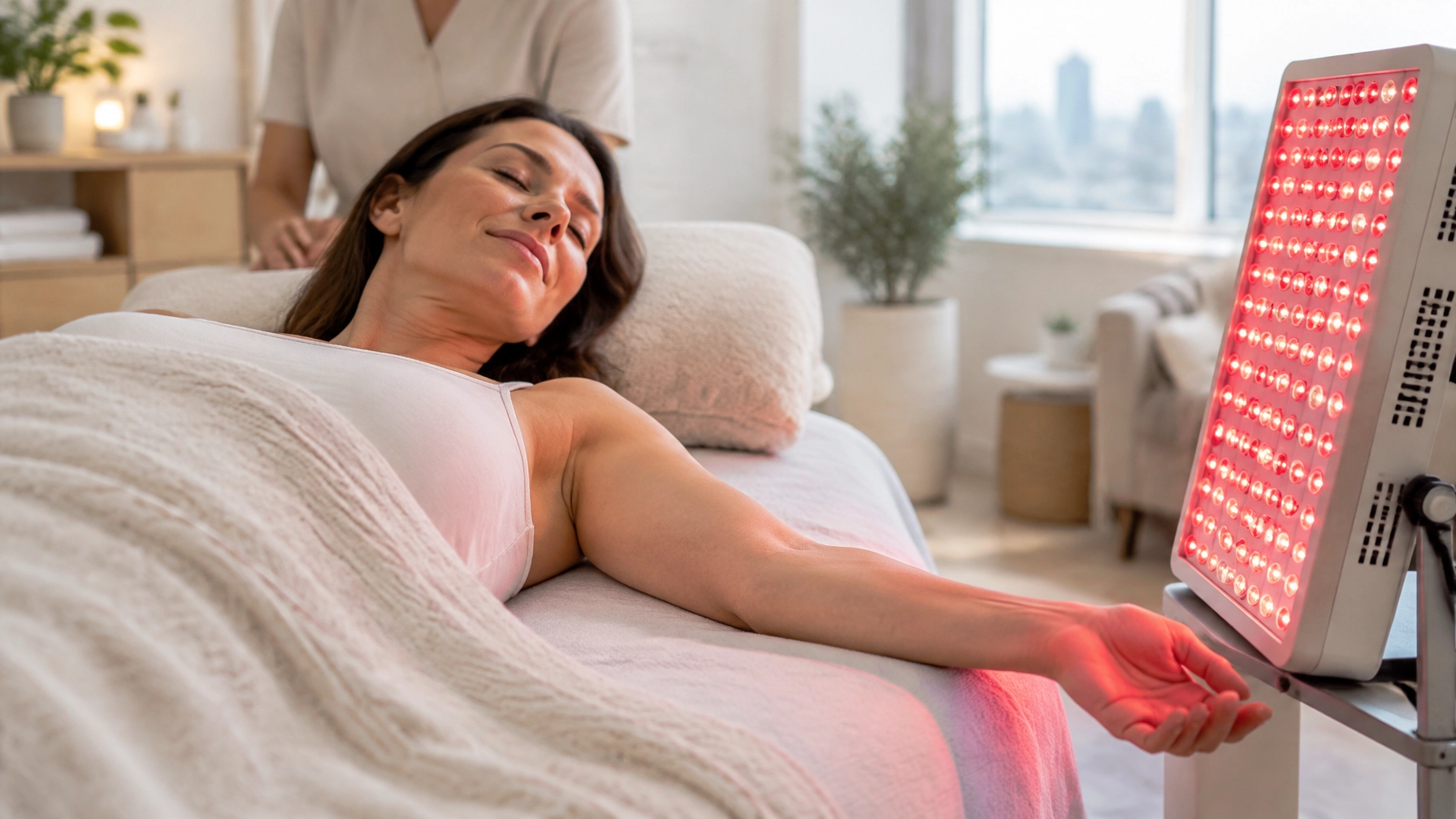
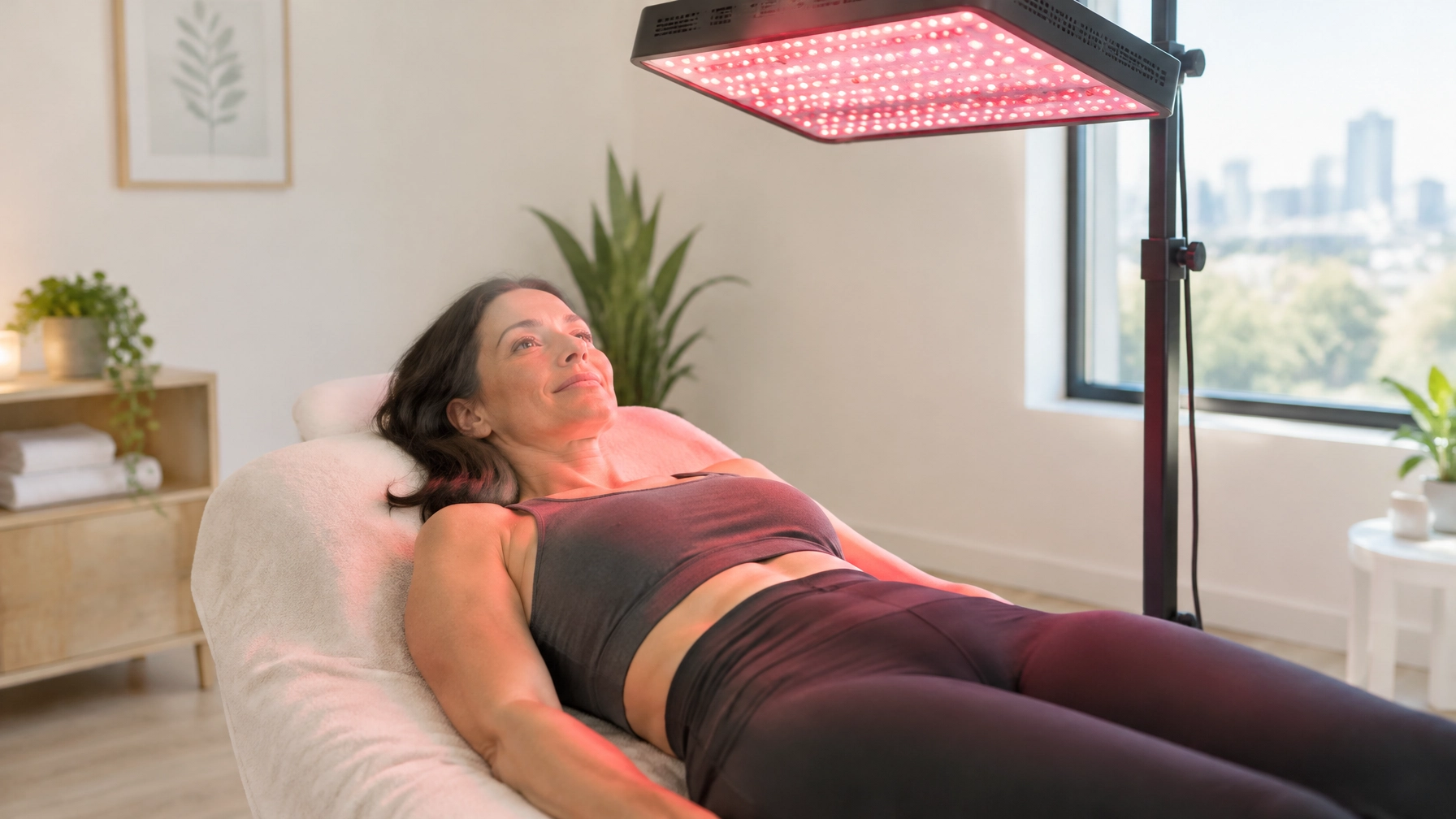
    Adult woman receiving a calm red light therapy facial session in a bright, neutral wellness treatment room

    Does red light therapy support muscle recovery?

    Fitness enthusiasts often ask whether red light therapy can help them recover faster after exercise.

    Near-infrared light is commonly used in recovery-focused protocols because it may reach deeper tissue than visible red light. Some studies suggest photobiomodulation may support muscle recovery, reduce soreness and help manage exercise-related inflammation.

    It should not be considered a substitute for rest, hydration, adequate nutrition or a gradual training plan. Think of it as one possible addition to a recovery routine.

    Can red light therapy help with fat loss or cellulite?

    This is an area where careful wording matters.

    Some body-contouring treatments use red or near-infrared light and may support changes in the appearance of targeted areas. However, red light therapy should not be presented as a replacement for exercise, nutrition or medical weight-management care.

    There is not strong evidence that red light therapy produces broad, lasting weight loss. The Cleveland Clinic specifically notes that scientific evidence does not support red light therapy as a weight-loss treatment.[^3]

    People considering body-contouring sessions should ask what outcome is being measured. Circumference changes, temporary fluid shifts and overall weight loss are not the same thing.

    What does red light therapy before and after really show?

    Before-and-after photos can be useful, but they need context.

    Lighting, posture, camera angle, hydration, skin products and muscle tension can all change how someone appears in a photograph. A single image does not prove that red light therapy caused a result.

    For more meaningful tracking:

    • Use the same lighting and camera position.
    • Take photos at consistent intervals.
    • Avoid comparing images taken immediately after exercise or a treatment.
    • Track symptoms, mobility or measurements when relevant.
    • Give the treatment plan enough time to work.

    A credible provider should explain what results are realistic and avoid guaranteeing a specific outcome.

    How often should you use red light therapy?

    There is no single schedule for every person or device. Frequency depends on the light intensity, treatment area, wavelength and goal.

    A common professional schedule is one to three sessions per week for several weeks or months, according to Cleveland Clinic guidance.[^3] Some protocols use more frequent sessions, while others require less.

    A practical approach is:

    • Follow the device or provider’s instructions.
    • Start conservatively if you are new to treatment.
    • Do not assume that longer sessions are better.
    • Allow your skin and body to respond before increasing frequency.
    • Stop and ask for guidance if irritation persists.

    At Wave Therapy in Edmonton, treatment plans may be structured around a series of sessions rather than a single visit. Many clients report noticing changes within a four-to-eight-session series, but individual responses vary.

    What are the red light therapy side effects?

    Red light therapy side effects are generally mild when the treatment is used correctly. Possible effects include:

    • Temporary warmth
    • Mild redness
    • Dryness or tightness
    • Temporary irritation
    • Eye discomfort if bright light is viewed without protection

    Overuse or incorrect positioning may increase the risk of skin irritation, swelling or blistering. More long-term research is still needed, particularly for frequent, high-intensity use.

    Red light therapy is not ultraviolet therapy, but that does not mean every device is appropriate for every person. Device quality and treatment settings matter.

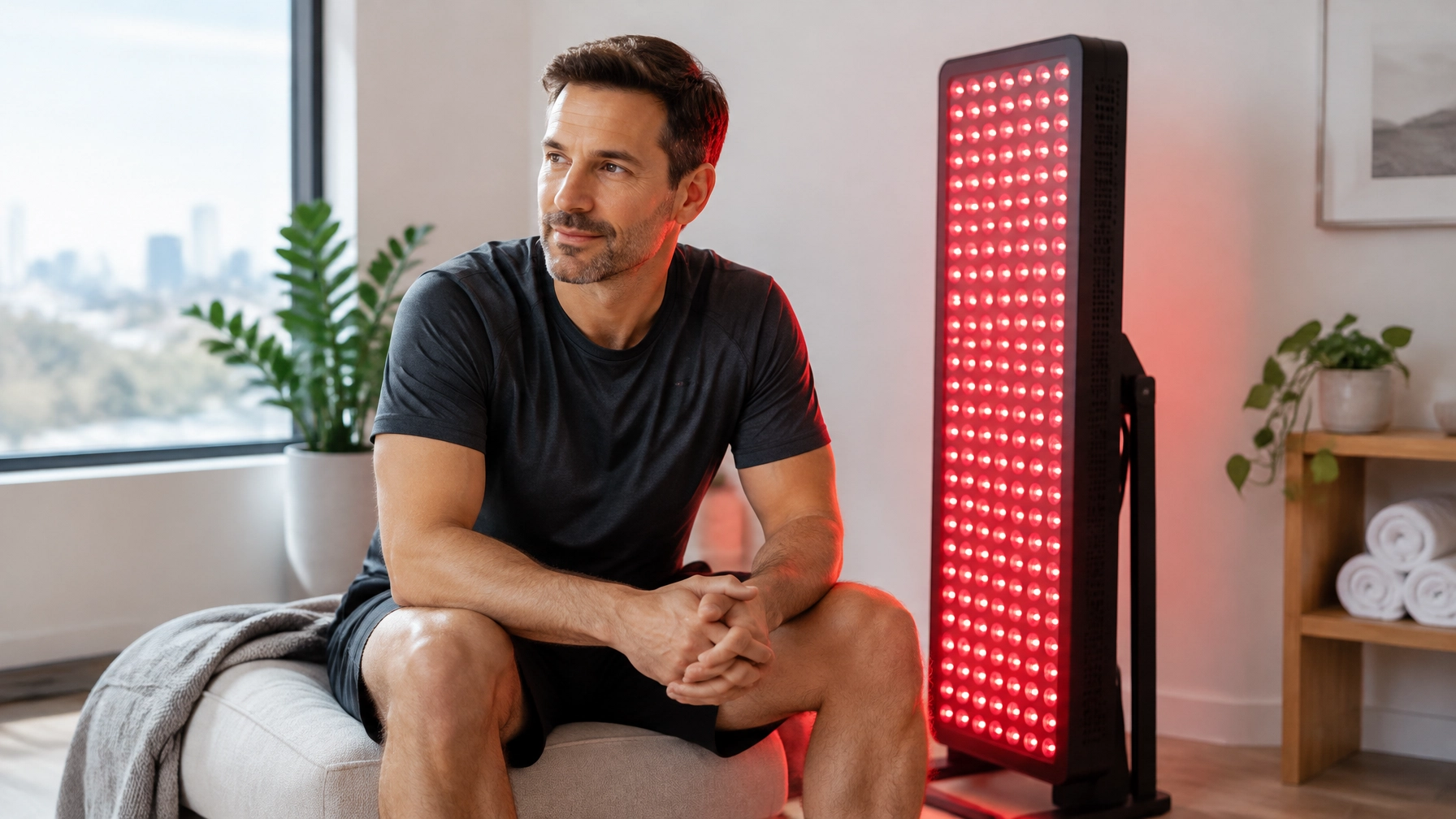
    Adult man using red and near-infrared light therapy for muscle recovery in a clean, modern wellness studio

    Who should avoid red light therapy or seek medical advice first?

    Speak with a healthcare professional before treatment if you:

    • Take medication that increases sensitivity to light.
    • Have a photosensitive condition.
    • Have an active or undiagnosed skin lesion.
    • Have significant eye disease.
    • Are pregnant or trying to become pregnant.
    • Have a history of skin cancer.
    • Are receiving treatment for cancer.
    • Have a serious medical condition or unexplained pain.

    Avoid using red light therapy directly over a known cancerous lesion unless specifically advised by your oncology team. Eye protection may also be recommended, especially during facial or near-infrared treatments.

    Red light therapy should not delay assessment of a changing mole, persistent wound, severe pain or other concerning symptom.

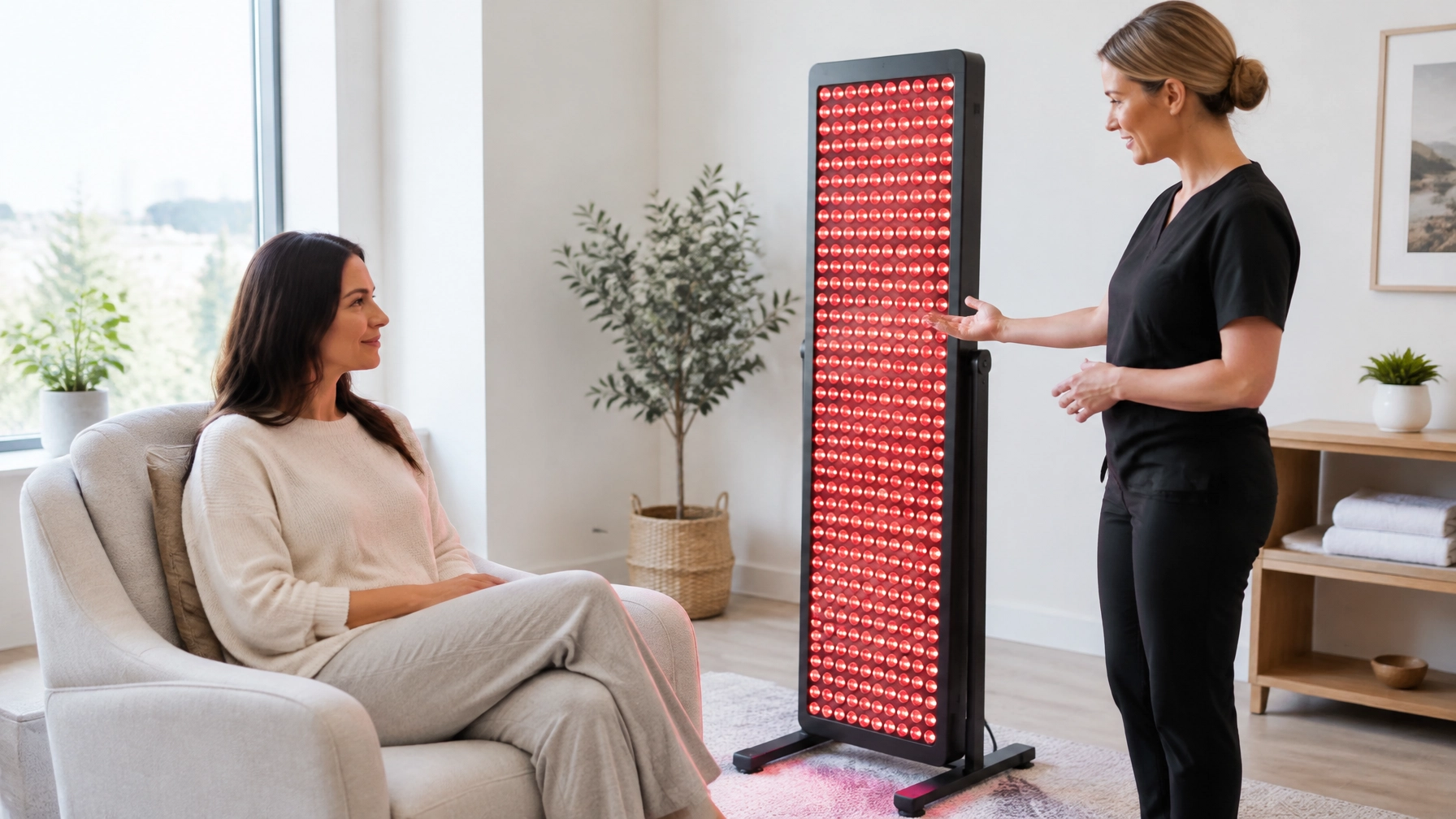
    Friendly wellness practitioner discussing red light therapy safety with an adult client in a bright Edmonton clinic

    What should you expect during a session?

    A typical session is simple and non-invasive.

    Depending on the treatment area, you may:

    1. Discuss your goals and relevant health information.
    2. Clean and prepare the treatment area.
    3. Position yourself near a red or near-infrared light system.
    4. Wear eye protection when appropriate.
    5. Relax while the treatment runs for the recommended time.
    6. Return to normal activities afterward.

    Most people describe a gentle warmth or a relaxing experience. There is generally no expected recovery period, although the exact experience depends on the device and protocol.

    You can learn more about Wave Therapy’s Edmonton sessions or visit the Wave Therapy website to explore available options.

    Is red light therapy in Edmonton right for you?

    Red light therapy may be worth exploring if you are looking for a non-invasive addition to your wellness routine and have a clear, realistic goal.

    It may be suitable for adults interested in:

    • Supporting joint comfort and mobility
    • Improving the appearance of skin
    • Recovering after physical activity
    • Supporting general relaxation and wellness
    • Exploring non-invasive body-contouring options

    It is best approached with curiosity rather than expectation. Ask about the technology being used, the recommended schedule, safety screening and how progress will be evaluated.

    If massage is also part of your wellness plan, Massage Quest is a provider and referral partner. You can also explore massage services through the sister company Book a Therapy.

    The practical answer

    Red light therapy may offer useful benefits for some people, particularly when used consistently and with appropriate expectations. Current research supports continued interest in pain, skin health, recovery and tissue repair, but evidence is not equally strong for every claim.

    The most important questions are not only “Does red light therapy work?” but also:

    • Is it appropriate for my goal?
    • Is the provider using a suitable device and protocol?
    • How will results be measured?
    • What safety precautions apply to me?
    • Am I giving the treatment enough time?

    If you are considering red light therapy in Edmonton, learn more, ask questions and book when you feel ready.

    Sources

    [^1]: De Oliveira, M. F., et al. “Low-intensity LASER and LED photobiomodulation therapy for pain control of the most common musculoskeletal conditions.” European Journal of Physical and Rehabilitation Medicine. Read the full review on PubMed Central.

    [^2]: “Light therapy for chronic pain: A systematic review.” PubMed, 2026. View the systematic review.

    [^3]: Cleveland Clinic. “Red Light Therapy.” Review the medical overview.

  • Red Light Therapy Before and After: What Edmonton Clients Can Really Expect in 2026

    Red Light Therapy Before and After: What Edmonton Clients Can Really Expect in 2026

    If you are searching for red light therapy before and after photos, you may also be wondering what those results actually mean.

    How soon should you notice a difference? Will pain improve before skin does? Can red light therapy reduce body fat? And how many sessions are usually needed?

    The honest answer is that results depend on your goal, starting point, treatment plan, and consistency. Red light therapy is not an overnight transformation. It uses red and near-infrared wavelengths to support natural cellular processes, so changes tend to build over time.

    For many people, four to eight consistent sessions is a reasonable point to review early progress. That is not a guarantee of dramatic results. It is simply a practical checkpoint for noticing changes in comfort, recovery, skin appearance, or overall wellness.

    What happens during red light therapy?

    Red light therapy is also called photobiomodulation. It uses low-level red and near-infrared light, commonly in the approximate 600–850 nanometre range.

    In simple terms, light energy is absorbed by cells and may support mitochondrial activity, circulation, inflammation regulation, and tissue repair. Red light is generally used for more superficial goals such as skin support. Near-infrared light can reach deeper tissues and is often included in protocols for muscles and joints.

    According to the Cleveland Clinic’s overview of red light therapy, the treatment is promising for some applications, but research quality and outcomes vary by condition and device.

    That is why a responsible before-and-after comparison should consider more than a single photograph.

    Why before-and-after photos can be misleading

    Photos can help show progress, but they are not perfect proof. Changes in lighting, camera angle, posture, hydration, skin products, and even the time of day can make results appear larger or smaller.

    For a more useful comparison:

    • Take photos in the same location and lighting.
    • Use the same camera distance and angle.
    • Keep your posture consistent.
    • Measure body-contouring areas in the same way each time.
    • Track symptoms such as stiffness, soreness, or mobility in a journal.
    • Compare progress after a full treatment period, not after one or two visits.

    Your personal experience may also improve before a visible change appears. For example, a person may notice less morning stiffness before any difference is visible in a photograph.

    Red light therapy before and after for pain and inflammation

    Pain and joint comfort are common reasons Edmonton clients explore red light therapy, particularly during periods of stiffness, physical activity, or persistent soreness.

    Some people notice gentle warmth or temporary relaxation during their first session. Mild muscle soreness may feel better after a few sessions. Chronic joint concerns usually require more patience.

    A realistic general timeline may look like this:

    • Sessions 1–3: Possible temporary comfort, warmth, or relaxation.
    • Sessions 4–8: Some people begin noticing more consistent changes in stiffness or everyday movement.
    • Weeks 4–8 and beyond: Longer-standing pain may require an ongoing plan and additional support such as exercise, physiotherapy, or massage.

    The research is encouraging but not conclusive for every pain condition. A 2024 systematic review and meta-analysis on photobiomodulation for knee osteoarthritis found reduced pain intensity, but rated the certainty of evidence as very low. The authors concluded that photobiomodulation may be useful as a complement to standard care rather than as a stand-alone treatment.

    Person receiving targeted red light therapy for knee comfort and mobility support in a bright, professional wellness setting

    Red light therapy should not delay medical assessment if pain is severe, unexplained, worsening, or associated with significant swelling, weakness, numbness, or injury.

    Red light therapy before and after for skin rejuvenation

    Skin-related results often take longer than people expect. A subtle glow or refreshed appearance may be noticed within the first few weeks, but collagen-related changes require repeated treatment and natural skin remodeling.

    A general timeline is:

    • Sessions 1–4: Skin may feel calm, comfortable, or refreshed. Any visible glow is likely to be subtle.
    • Sessions 4–8: Tone and texture may begin to look more even for some people.
    • Weeks 8–12: Fine lines, firmness, and overall texture are more appropriate to evaluate.
    • Three months and beyond: Continued improvement may occur with maintenance, although results can vary.

    A randomized controlled trial indexed on PubMed examined red light and near-infrared treatments for photoaged skin. After 30 treatments over approximately 15 weeks, researchers reported improvements in wrinkles, skin roughness, and intradermal collagen density.

    This does not mean every client will see the same percentage change. Professional studies use specific devices, doses, schedules, and outcome measurements. A home mask or different clinic system may not produce identical results.

    For more detail, read Wave Therapy’s guide to red light therapy for skin rejuvenation and anti-aging.

    Red light therapy before and after for muscle recovery

    Muscle recovery often follows a faster timeline than skin rejuvenation because it is usually assessed around exercise sessions.

    Fitness enthusiasts may use red and near-infrared therapy before or after strength training, running, sports, or physically demanding work. Some people report less next-day soreness after a few sessions, while others need several weeks before noticing a reliable difference.

    Possible expectations include:

    • After one session: A comfortable, relaxing experience and possible temporary relief from tightness.
    • Within 24–96 hours after exercise: Potentially less soreness or improved recovery, depending on the workout and protocol.
    • After 2–4 weeks: More consistent recovery may become easier to notice if sessions are regular.
    • Over a training block: The main benefit may be maintaining training consistency rather than creating a dramatic visual transformation.

    A systematic review and meta-analysis by Vanin and colleagues found potential improvements in muscular performance and exercise-related fatigue. However, the studies used different treatment parameters, and evidence quality ranged from very low to moderate.

    Red light therapy and massage also serve different purposes. Light therapy may support cellular recovery and inflammation regulation, while massage can address soft-tissue tension and relaxation. Edmonton clients interested in bodywork can explore Massage Quest or therapeutic massage through Wave Therapy’s sister company, Book a Therapy.

    Red light therapy before and after for fat loss and body contouring

    This is the area where realistic expectations matter most.

    Some low-level light and body-contouring protocols report modest localized changes in circumference or skin appearance. However, that is different from proven whole-body fat loss or meaningful weight reduction.

    The Cleveland Clinic notes that there is not enough scientific evidence to support red light therapy as a weight-loss or cellulite-removal solution.

    For body-contouring goals:

    • A few sessions are generally too early to judge results.
    • Some protocols evaluate progress after approximately 8–12 sessions.
    • Measurements should be taken consistently.
    • Nutrition, movement, sleep, fluid balance, and other factors can influence results.
    • Red light therapy should not replace exercise, nutrition support, or medical weight-management care.

    The most responsible description is non-invasive body-contouring support, not guaranteed fat loss. Wave Therapy clients can explore Edmonton session options and ask which goals and protocols are appropriate for them.

    Who is red light therapy for?

    Red light therapy may be suitable for health-conscious adults who want a non-invasive wellness option for:

    • Mild joint stiffness or everyday muscle discomfort.
    • Post-workout recovery support.
    • Skin tone, texture, and collagen support.
    • Non-invasive rejuvenation.
    • General relaxation and wellness.
    • Complementary support alongside an established care plan.

    It is not the right choice for every person or every condition. Speak with a healthcare professional before treatment if you:

    • Have a photosensitive condition such as lupus or porphyria.
    • Take medication that may increase sensitivity to light.
    • Have active cancer or a suspicious lesion in the treatment area.
    • Are pregnant or considering full-body treatment during pregnancy.
    • Have a seizure disorder triggered by flashing or pulsed light.
    • Have a significant eye condition or recent eye surgery.
    • Have an active infection, severe rash, or an unexplained wound.

    Wave Therapy’s related guide explains eye protection during red light therapy and why device power, distance, and wavelength matter.

    What should you expect at a Wave Therapy session?

    A typical session begins with a discussion of your goals and relevant health considerations. You are then positioned near the red and near-infrared light system according to the treatment plan.

    Most sessions are comfortable. You may notice gentle warmth, but there are no needles, incisions, or expected recovery period. Eye protection may be recommended or provided, particularly when the face or scalp is exposed to bright, high-output light.

    Session length and frequency depend on the system and your goal. Rather than adding extra time on your own, follow the provider’s schedule. More light is not automatically better.

    The practical takeaway

    The most realistic red light therapy before and after timeline in 2026 looks like this:

    Goal Possible early changes More meaningful review period
    Pain and inflammation A few sessions to several weeks Approximately 4–8 weeks or longer
    Skin rejuvenation Subtle glow within several weeks About 8–12 weeks
    Muscle recovery Within 24–96 hours around exercise Approximately 2–4 weeks of regular use
    Body contouring Usually gradual and difficult to predict Often assessed after 8–12 sessions
    Hair support Usually no immediate visible change Several months, when appropriate

    The best results are measured honestly, over a realistic period, and in the context of your overall health.

    You can learn more about Wave Therapy or explore available sessions when you feel ready.

    Sources and further reading

  • Does Red Light Therapy Really Grow Hair? What the 2026 Science Says

    Does Red Light Therapy Really Grow Hair? What the 2026 Science Says

    Hair loss is common, but that does not make it easy to manage. If you have noticed more hair in the shower, a widening part, or gradual thinning at the temples, you may be wondering whether red light therapy can actually help.

    The short answer is yes, red light therapy can support hair growth in some people: especially those with early-to-moderate pattern hair loss. However, it is not a miracle cure, and results depend on the cause of hair loss, the device used, and consistency over time.

    Here is what the research says in 2026.

    What is red light therapy for hair growth?

    Red light therapy is also called photobiomodulation or low-level light therapy (LLLT). It uses low-intensity red light, often in the 630–680 nanometre range, to stimulate biological activity in cells.

    For hair, the goal is to support the function of follicles that are still active but becoming smaller or less productive.

    In simple terms, red light may:

    • Support cellular energy production in hair follicle cells
    • Help follicles remain in the active growth phase for longer
    • Encourage thicker hair shafts
    • Improve hair density over time
    • Reduce some of the inflammation that may affect follicle function

    A laboratory study of human hair follicles found that 650-nanometre red light promoted follicle growth and delayed the transition from the growth phase to the regression phase. This is useful mechanistic evidence, although laboratory findings do not always translate directly to visible results in people. (Yang et al., PubMed PMID 34858007)

    Close-up of realistic early pattern hair thinning and fine regrowth in a person with healthy natural hair

    What does the clinical research show?

    The strongest evidence is for androgenetic alopecia, also known as male or female pattern hair loss.

    A 2024 systematic review and meta-analysis examined 38 studies involving 3,098 patients. Most participants had androgenetic alopecia. Compared with placebo or sham treatment, low-level light therapy produced a significant increase in hair density after treatment periods ranging from 4 to 26 weeks. The researchers described LLLT as a promising option for androgenetic alopecia, while noting that more research is needed for other types of hair loss. (PubMed PMID 39404126)

    Another systematic review and meta-analysis included 36 studies and 966 patients. It found that red and infrared photobiomodulation were more effective than control treatments for androgenetic alopecia. (PubMed PMID 35510860)

    These findings are encouraging because they include controlled clinical trials rather than relying only on personal testimonials. At the same time, the studies used different devices, wavelengths, treatment schedules, and methods of measuring hair growth. That makes it difficult to predict an exact result for every person.

    The most accurate conclusion is:

    Red light therapy can produce a real but usually moderate improvement in hair density for some people with pattern hair loss.

    It is better viewed as a treatment option or adjunct: not a guaranteed replacement for medical hair-loss care.

    How does red light therapy compare with 5% minoxidil?

    This is one of the most practical questions people ask.

    A randomized controlled trial compared low-level light therapy with topical 5% minoxidil in men with androgenetic alopecia. Participants used either:

    • 5% topical minoxidil twice daily, or
    • LLLT at approximately 633 nanometres, three times per week for 10 minutes

    After six months, both groups had significant improvements in hair density compared with baseline. The study found no significant difference between the two groups, suggesting that LLLT produced results comparable to 5% minoxidil in that particular trial. (PubMed PMID 40697690)

    That does not prove red light therapy is always equal to minoxidil. It was one study, and the results may not apply to every device or every type of hair loss. Minoxidil also has a longer history of clinical use.

    There is also some evidence for combining the two. A published review of the literature on low-level light therapy combined with minoxidil concluded that combination therapy appears at least equivalent to, and in some trials superior to, minoxidil monotherapy for improving hair-growth outcomes. As with any review, the underlying studies varied in quality, devices, and treatment protocols, so it is best viewed as supportive rather than definitive evidence. (PubMed PMID 36937156)

    If you are considering minoxidil, finasteride, or another medical treatment, discuss the options with a physician or dermatologist. Red light therapy may fit into a broader plan, but it should not delay diagnosis or evidence-based treatment.

    Who is red light therapy most likely to help?

    Red light therapy may be worth discussing if you have:

    • Early or moderate male pattern hair loss
    • Early or moderate female pattern hair loss
    • Gradual thinning at the crown, hairline, or part
    • Follicles that are still producing fine or miniaturized hairs
    • A preference for a non-invasive, drug-free or drug-sparing option
    • The patience to follow a regular treatment schedule

    It may be especially useful for people who want to support existing follicles rather than pursue a surgical procedure.

    However, the earlier the cause of progressive thinning is identified, the more options you may have. A dermatologist can assess your scalp and determine whether pattern hair loss is the likely explanation.

    Who should not rely on red light therapy alone?

    Red light therapy is not appropriate as a stand-alone answer for every type of hair shedding.

    You should seek medical assessment before starting treatment if you have:

    • Sudden or rapid hair loss
    • Round or sharply defined bald patches
    • Scalp pain, scaling, crusting, or signs of infection
    • Significant itching or inflammation
    • Hair loss after illness, major stress, rapid weight change, or childbirth
    • Suspected nutritional, hormonal, thyroid, or medication-related hair loss
    • Scarring or shiny areas where follicles may no longer be present

    Research on LLLT is strongest for androgenetic alopecia. Evidence is much less established for conditions such as alopecia areata, telogen effluvium, and scarring alopecia.

    Red light cannot recreate a follicle that has been permanently destroyed. It also cannot correct an untreated medical cause of shedding.

    Adult client discussing hair thinning and red light therapy with a wellness practitioner in a bright, neutral Edmonton clinic

    What should you expect from hair-growth sessions?

    Hair grows slowly, so consistency matters more than a single long session.

    Clinical studies commonly use schedules such as:

    • Two to three sessions per week
    • Approximately 10 to 20 minutes per session
    • A treatment period of at least 16 to 24 weeks

    Some people notice changes in shedding or hair texture first. Visible improvements in density usually take several months because follicles move through a natural growth cycle.

    During a professional session, you can generally expect:

    1. A brief discussion of your goals and relevant health history
    2. Positioning under a red light or red and near-infrared system
    3. Gentle warmth or a relaxing sensation
    4. No needles, incisions, or recovery period
    5. A recommendation to follow a consistent schedule

    At Wave Therapy, clients in Edmonton use advanced red and near-infrared light systems for non-invasive wellness treatments. Because hair-growth trials often use targeted scalp devices, it is reasonable to ask which system and protocol are appropriate for your specific goal rather than assuming every full-body system has been studied for hair loss.

    You can also review Wave Therapy’s Edmonton session options or browse the Wave Therapy Blog for related safety and wellness information.

    Is red light therapy safe for hair loss?

    Overall, clinical studies report that LLLT is well tolerated. Some people may experience temporary warmth, mild redness, tingling, scalp sensitivity, or a headache. These effects are generally mild, but you should stop and seek advice if you experience a significant or persistent reaction.

    Speak with a healthcare professional before treatment if you:

    • Have a photosensitive condition
    • Take medication that increases light sensitivity
    • Have an active scalp condition
    • Are receiving treatment for cancer
    • Have concerns about eye exposure during scalp or facial treatments

    A reputable provider should explain the device, treatment schedule, and eye-safety procedures before your session.

    Can massage help with hair growth too?

    Massage does not replace hair-loss treatment, and it has not been shown to regrow hair in the same way that LLLT is studied for pattern hair loss.

    However, massage can be part of a broader wellness routine by supporting relaxation, body awareness, and recovery. If stress or muscle tension is affecting your general well-being, Wave Therapy clients can explore provider and referral options through MassageQuest or therapeutic massage bookings through sister company Book a Therapy.

    The goal is not to promise that one treatment solves everything. It is to choose supportive services that match your actual needs.

    The bottom line

    So, does red light therapy really grow hair?

    For some people with androgenetic alopecia, the 2026 evidence says yes. Systematic reviews and controlled trials show improvements in hair density compared with sham treatment. One recent randomized trial found results comparable to 5% minoxidil, and a review of the literature suggests combining LLLT with minoxidil may offer benefits at least equivalent to, and in some trials greater than, minoxidil alone.

    The realistic expectations are just as important:

    • Results are gradual, not immediate
    • Consistency is essential
    • It works best when follicles are still active
    • It is not proven for every cause of hair loss
    • A medical assessment may be necessary before treatment
    • It may work best as part of a larger hair-care plan

    If you are curious about whether red light therapy fits your goals, you can learn more about Wave Therapy’s Edmonton treatments and book when you feel ready.

    Scientific references

  • How Long Does It Take to See Red Light Therapy Results? What Edmonton Clients Can Expect

    How Long Does It Take to See Red Light Therapy Results? What Edmonton Clients Can Expect

    If you are researching red light therapy before and after photos, one question usually comes next: How long does it take to see red light therapy results?

    The honest answer depends on your goal. Some people notice changes in comfort or muscle soreness within a few sessions. Skin improvements usually take several weeks. Hair growth and body-contouring goals require more patience.

    Red light therapy is not an overnight treatment. It uses low-level red and near-infrared wavelengths to support natural cellular processes. Results tend to build gradually with consistent sessions, realistic expectations, and a treatment plan suited to your needs.

    The short answer: expect gradual results

    For many clients, 4–8 sessions is a reasonable point to review early progress. This does not mean everyone will see a dramatic transformation by session eight. It means you may begin noticing changes, depending on what you are treating.

    A general timeline looks like this:

    Goal Possible early changes More meaningful timeline
    Pain and joint comfort A few sessions to several weeks 4–8 weeks or longer for chronic concerns
    Skin and anti-aging Glow or calmness within a few weeks 8–12 weeks for collagen-related changes
    Muscle recovery Less soreness after several sessions 2–6 weeks of consistent use
    Fat loss and body contouring Subtle changes may take several weeks Usually 8–12+ sessions; evidence is limited
    Hair growth Usually no visible change at first About 3–6 months, when appropriate

    These are general ranges, not promises. As Cleveland Clinic explains, red light therapy is still an emerging treatment for many uses, and more research is needed to confirm how effective it is for different conditions.

    Why red light therapy results are gradual

    Red light therapy supports the body’s existing repair and renewal processes. It does not remove damaged tissue or change your appearance instantly.

    At a cellular level, red and near-infrared light may interact with mitochondria, which help cells produce energy. This may support processes such as tissue repair, inflammation regulation, circulation, and collagen production.

    The timeline depends on the process involved:

    • Pain relief may happen sooner because inflammation and nerve signalling can change relatively quickly.
    • Skin rejuvenation takes longer because collagen formation and skin remodeling happen over time.
    • Muscle recovery depends on the amount of stress placed on the tissue and how well you recover between workouts.
    • Hair growth follows a natural growth cycle, so visible changes cannot usually happen within a few days.
    • Body contouring is influenced by lifestyle, fluid balance, measurement methods, and the limitations of current evidence.

    This is why a single before-and-after photo can be misleading. Lighting, posture, camera angle, hydration, and recent exercise can all affect how results appear.

    How long for pain and joint relief?

    Pain and joint comfort are among the goals where some people notice early changes.

    For mild muscle soreness or stiffness, a person may feel more comfortable after a few sessions. For ongoing joint discomfort, tendon concerns, or chronic pain, results are more likely to develop over several weeks.

    A realistic pattern may look like this:

    • Sessions 1–3: You may notice temporary relaxation, warmth, or a small improvement in stiffness.
    • Sessions 4–8: Changes may become more consistent, such as easier movement or fewer discomfort spikes.
    • Weeks 4–8 and beyond: Chronic concerns may require continued treatment and other forms of care, such as exercise, physiotherapy, or massage.

    The evidence is promising in some musculoskeletal applications but is not uniform. A systematic review of photobiomodulation for tendinopathy found low to moderate-quality evidence, with outcomes varying between conditions and treatment protocols. You can review the research through PubMed.

    Red light therapy should support: not replace: medical assessment for severe, unexplained, or worsening pain.

    How long for skin and anti-aging results?

    Skin changes are often what people look for when searching red light therapy before and after results.

    Some clients report a fresher-looking complexion or temporary glow within the first few weeks. However, changes related to collagen, firmness, fine lines, and texture usually take longer.

    A practical expectation is:

    • Sessions 1–4: Skin may feel calm, comfortable, or refreshed. Any visible glow may be subtle.
    • Sessions 4–8: Some people notice more even-looking tone or improved skin texture.
    • Weeks 8–12: Collagen-related changes may become easier to evaluate, especially when sessions are consistent.

    Collagen production is not immediate. The skin must produce and organize new structural proteins before changes in firmness or fine lines become visible.

    A 2018 systematic review of randomized controlled trials found that LED treatments showed potential for several dermatological uses, while also noting differences in devices and protocols. The review is available through PubMed.

    For additional context, see Wave Therapy’s guide to red light therapy for skin rejuvenation and anti-aging.

    Person with healthy-looking skin enjoying a calm self-care moment in a bright, neutral wellness setting

    How long for muscle recovery?

    Fitness enthusiasts may notice recovery-related benefits sooner than cosmetic changes.

    Red light and near-infrared therapy are commonly explored as part of a recovery routine after strength training, running, sports, or physically demanding work. Some people report less next-day soreness after a few sessions, while others need several weeks before noticing a consistent difference.

    Your experience may depend on:

    • Workout intensity and frequency.
    • Sleep and nutrition.
    • The muscle group being treated.
    • Whether you use the therapy before or after exercise.
    • How consistently you attend sessions.

    A 2018 systematic review and meta-analysis examined photobiomodulation for muscular performance and exercise-related fatigue. It found potential benefits, but also highlighted the importance of treatment parameters and study quality. Read the research on PubMed.

    If you combine red light therapy with massage, allow each treatment to serve a different purpose. Red light therapy may support cellular recovery, while hands-on massage can help with soft-tissue tension and relaxation. For local options, Edmonton clients can explore Massage Quest or the sister massage company Book a Therapy.

    How long for fat loss and body contouring?

    This is the area where careful expectations matter most.

    Some clinics promote red light therapy for localized body contouring, cellulite, or fat reduction. However, red light therapy should not be considered a replacement for nutrition, exercise, medical weight-management care, or surgical procedures.

    Cleveland Clinic notes that there is not enough scientific evidence to support red light therapy for weight loss or cellulite removal. This does not mean every person will see no change. It means the research is more limited and less predictable than it is for some skin or recovery applications.

    For body-contouring goals:

    • 4–8 sessions: May be too early to judge meaningful changes.
    • 8–12 or more sessions: Some protocols use a longer series before evaluating circumference or skin appearance.
    • After the series: Results should be assessed with consistent measurements, photographs, and lifestyle context.

    Wave Therapy offers Edmonton session and checkout options, but a responsible provider should never promise a specific number of inches or pounds. The goal should be informed, non-invasive support: not a shortcut or miracle result.

    How long for hair growth?

    Hair growth usually takes the longest to evaluate.

    Hair follicles move through growth, resting, and shedding phases. Even if a follicle responds biologically to light, visible changes may not appear until new hair has had time to grow.

    A realistic timeline may be:

    • First 4–8 sessions: Usually too soon to see visible new growth.
    • Weeks 8–16: Early changes may include less shedding or subtle density differences.
    • Months 3–6: This is a more realistic window for assessing visible thickening when red light therapy is appropriate.

    Low-level light therapy has been studied for certain forms of pattern hair loss. For example, research comparing low-level light approaches for androgenetic alopecia is indexed on PubMed. Results vary, and red light therapy cannot restore follicles that are no longer viable.

    If hair loss is sudden, patchy, painful, or accompanied by scalp changes, seek medical advice before starting a cosmetic or wellness treatment.

    Client receiving a targeted red light therapy session to support scalp and hair follicle health

    What affects how quickly you see results?

    Two people can follow the same schedule and have different outcomes. Factors that may influence your timeline include:

    • Your starting point: A minor strain may respond differently from long-standing joint pain.
    • Your goal: Pain, skin, hair, and body contouring follow different biological timelines.
    • Treatment consistency: Regular sessions are generally more useful than occasional visits.
    • Wavelength and dose: Device output, distance, treatment time, and wavelength all matter.
    • Lifestyle: Sleep, nutrition, movement, hydration, stress, and sun protection can influence progress.
    • Medical history: Certain conditions and medications may affect suitability or skin sensitivity.
    • How you measure progress: Use the same lighting, angle, clothing, and measurement method for before-and-after comparisons.

    More time under the light is not automatically better. Photobiomodulation has a dose-response relationship, so follow the provider’s recommended schedule rather than adding extra sessions independently.

    What to expect during a Wave Therapy session

    At Wave Therapy, clients explore full-body red and near-infrared light sessions for goals such as joint comfort, skin rejuvenation, muscle recovery, and body-contouring support.

    A typical visit is:

    1. A discussion of your goals and any relevant health considerations.
    2. Guidance on positioning and eye protection when needed.
    3. Comfortable exposure to the red and near-infrared light system.
    4. Gentle warmth and relaxation, with no needles or invasive procedures.
    5. A suggested schedule based on your goal and response.

    Red light therapy is generally considered low-risk when used correctly, but it is not appropriate for everyone. Speak with a healthcare professional before treatment if you have a photosensitive condition, take photosensitizing medication, have an active infection or cancer in the treatment area, or are pregnant and considering full-body treatment. Wave Therapy also provides more safety information in its guide on eye protection during red light therapy.

    The practical takeaway

    So, how long does it take to see red light therapy results?

    For many people, 4–8 consistent sessions is a reasonable time to look for early changes. Pain and muscle recovery may be noticed sooner. Skin rejuvenation often needs several weeks. Hair growth usually requires months. Fat loss and body contouring have more limited evidence and should be approached as supportive: not standalone: treatments.

    The best before-and-after result is an honest one: measured consistently, reviewed over a realistic timeline, and understood as individual rather than guaranteed.

    If you are curious about red light therapy in Edmonton, you can learn more about Wave Therapy or explore available sessions when you are ready.

    Sources

  • Do You Need Eye Protection for Red Light Therapy? A 2026 Safety Guide

    Do You Need Eye Protection for Red Light Therapy? A 2026 Safety Guide

    When people first discover Wave Therapy, they often have a flurry of questions. They want to know about red light therapy benefits, how often to use red light therapy, and what kind of physical sensations to expect. But one safety question frequently tops the list during consultations: Do I actually need to wear goggles, or is keeping my eyes closed enough?

    It is a completely valid question. After all, photobiomodulation (the scientific term for red light therapy) uses gentle, low-level wavelengths of light designed to heal, rejuvenate, and energize cells. It is non-invasive, FDA-approved, and celebrated for having virtually no harmful side effects when used correctly. A recent low-level light safety review also supports photobiomodulation as generally safe for adults when used with proper clinical protocols and device guidance (PubMed PMID 38729232).

    However, eye safety depends heavily on device power, distance, and wavelength. Whether you are visiting a dedicated clinic for red light therapy in Edmonton or setting up a panel at home, understanding how your eyes interact with light is essential for a safe, stress-free wellness routine.

    When Are Goggles Necessary vs. When Is Closing Your Eyes Enough?

    A relaxed client resting comfortably with eyes closed during a gentle red light therapy session

    For many standard body treatments: such as targeting lower back stiffness, knee pain, or shoulder recovery: your eyes are far outside the direct beam. In these cases, no special eyewear is needed at all.

    When your face is exposed to the light (like during facial rejuvenation or anti-aging sessions), the rule of thumb shifts based on irradiance (power output) and proximity:

    • Low-Power & Greater Distance (Under ~50 mW/cm² at the eye): If you are standing 12 to 24 inches away from a modest panel, simply keeping your eyes closed is typically sufficient. The eyelids block a significant amount of visible light and mild thermal stress, provided you do not stare directly into the diodes.
    • High-Power & Close Range (Over 50–100 mW/cm² within 2 feet): Modern, high-output professional panels deliver serious energy. If you are doing close-range facial treatments with high-density LEDs, medical wellness sources: including insights highlighted by publications like Healthline and the Cleveland Clinic: recommend wearing certified protective eyewear to prevent retinal photostress and eye fatigue. That caution is worth taking seriously because a PubMed-indexed safety study found that certain repeated low-level red light devices could exceed ANSI exposure limits under specific viewing conditions, reinforcing the importance of avoiding direct eye exposure with stronger systems (PubMed PMID 38180093).

    Professional Clinic Systems vs. At-Home Devices: What’s the Difference?

    Not all light sources are created equal. The equipment you encounter in a professional wellness environment differs significantly from consumer-grade gadgets bought online.

    Professional Clinic Systems

    Clinical-grade systems feature high-irradiance panels designed to deliver optimal therapeutic doses efficiently. Because of their concentrated power output, professional practitioners in Edmonton will almost always provide or mandate specialized eye protection during facial treatments. These systems cover a wider surface area and emit greater photon density per square centimeter, making proper eye shielding a standard best practice. If you want more background on practical safety questions, you can also browse the Wave Therapy Blog for related posts on red light therapy use and precautions.

    At-Home Devices

    Consumer devices: ranging from flexible LED face masks to handheld wands: generally operate at lower power densities. While LED masks are designed to sit directly against or very close to the face, their lower output means that keeping your eyes comfortably closed is usually adequate for most users. However, if you experience any dryness, temporary spots in your vision (afterimages), or headaches, adding lightweight blackout or wavelength-specific goggles is a simple fix.

    Why Near-Infrared Wavelengths Pose Different Considerations

    Red light therapy typically combines visible red light (around 660 nm) with invisible near-infrared (NIR) light (around 810 to 850 nm). This combination is fantastic for deep tissue repair, joint relief, and skin rejuvenation.

    However, near-infrared light introduces a unique safety factor: you cannot see it.

    Because NIR light is invisible to the human eye, your blink reflex: which naturally protects your eyes from glaring visible brightness: does not trigger. Your eyes might feel completely relaxed while absorbing invisible near-infrared energy at close range. Over prolonged exposure or at high intensities, this invisible energy can penetrate deeper into ocular structures, potentially causing thermal stress to the retina or lens over time.

    This is why reputable manufacturers and wellness guides advise extra caution and proper eye shielding when high-output near-infrared diodes are positioned directly near the face. That general approach also matches guidance from the Cleveland Clinic, which notes LED light therapy is generally safe but still calls for eye protection and careful use instructions, especially for facial treatments.

    What to Look for in Protective Eyewear

    Specialized red light therapy protective eyewear resting on a clean wooden surface in a calm wellness room

    If you decide that goggles are right for your sessions, standard sunglasses or generic UV-blocking beach glasses won't cut it. UV rays operate at entirely different wavelengths (under 400 nm), whereas red and near-infrared therapy operates in the 600–900 nm range.

    When shopping for protective eyewear, look for:

    • Wavelength-Specific Blocking: Ensure the glasses are rated to attenuate or block the specific 600–900 nm red and NIR spectrum.
    • Opaque or Tinted Design: Tanning-style blackout goggles or certified RLT-blocking glasses reduce both blinding brightness and cumulative retinal exposure.
    • Comfort and Fit: A snug, comfortable fit ensures light doesn't leak in around the edges during longer sessions.

    To learn more about how we curate our client experiences, you can explore our Wave Therapy Blog for additional tips on optimizing your wellness journey.

    Tailoring Your Routine Safely in Edmonton

    Finding the right balance for your wellness routine is all about listening to your body. If you are curious about scheduling your first session or want to explore our Edmonton checkout and session packages, our team is always happy to guide you through what to expect.

    For those building a comprehensive self-care regimen, pairing red light therapy with complementary modalities can amplify your results. Many of our clients also enjoy professional bodywork with our trusted referral partners at Massage Quest or seek out specialized therapeutic massage through our sister company, Book a Therapy.

    Practical Takeaways

    • Assess the distance: If you are over 12–24 inches away from a low-to-moderate power panel for body treatments, closing your eyes or looking away is usually enough.
    • Respect the NIR: Because near-infrared light is invisible, don't rely on your blink reflex to protect your eyes during close-up facial work.
    • Use the evidence as a guide: Published safety reviews support red and near-infrared photobiomodulation as generally safe when used properly, but device output and exposure conditions still matter a lot (PubMed PMID 38729232).
    • Listen to your eyes: If you experience eye fatigue, dryness, or a mild headache after a session, grab a pair of wavelength-specific goggles for your next visit.
    • When in doubt, protect: There is zero downside to wearing comfortable eye protection during high-output sessions.

    A peaceful wellness lounge featuring modern red light therapy equipment, warm lighting, and minimalist decor

    Ready to experience natural rejuvenation in a calm, professional environment? Explore our sessions and book when you are ready.

  • Red Light Therapy for Skin Rejuvenation & Anti-Aging: What the 2026 Science Shows

    Red Light Therapy for Skin Rejuvenation & Anti-Aging: What the 2026 Science Shows

    If you have spent any time exploring modern skincare trends, you have likely encountered red light therapy. From at-home LED masks to specialized treatments at local wellness clinics right here in Edmonton, this non-invasive modality has captured the attention of beauty and health enthusiasts alike.

    But beneath the wellness industry buzzwords, what does the science actually say in 2026? Are the anti-aging and skin rejuvenation benefits of red light therapy backed by clinical research, or is it just another passing trend?

    Let’s examine what current peer-reviewed research, major medical organizations, and dermatological reviews reveal about red light therapy benefits for skin health, how it works at a cellular level, and what you can realistically expect from sessions.


    What Is Red Light Therapy?

    Medically referred to as photobiomodulation (PBM) or low-level light therapy (LLLT), red light therapy uses specific low-intensity wavelengths of red light (typically between 620 to 700 nm) and near-infrared light (700 to 1100 nm).

    Unlike ultraviolet (UV) light: which can damage skin cells, cause sunburns, and increase skin cancer risk: red and near-infrared light are non-thermal and non-ablative. They penetrate the skin without heating or damaging surface tissue, triggering natural biological responses at a cellular level.

    At Wave Therapy, clients often explore these treatments as part of a holistic wellness routine designed to support skin vitality, reduce inflammation, and encourage natural cellular repair.

    A close-up of a modern red light therapy panel in a pristine, peaceful wellness clinic with soft neutral tones and warm ambient glow


    How Red Light Therapy Works: The Cellular Science

    To understand why red light therapy is effective for skin rejuvenation, we have to look inside our cells: specifically at the mitochondria.

    Mitochondria are often called the powerhouses of our cells because they produce adenosine triphosphate (ATP), the energy currency that drives cellular function and repair. As we age, mitochondrial efficiency declines, leading to slower cell turnover, reduced structural protein production, and visible signs of aging.

    When red and near-infrared wavelengths penetrate the skin:

    • Cellular Energy Boost: They are absorbed by mitochondrial enzymes (particularly cytochrome c oxidase), significantly increasing ATP production.
    • Fibroblast Activation: This surge in cellular energy stimulates fibroblasts: the specialized cells responsible for producing collagen, elastin, and hyaluronic acid.
    • Reduced Oxidative Stress: The process decreases free radicals and inflammatory markers, protecting existing collagen from degradation.

    As noted by Harvard Health, this biological mechanism helps stimulate cellular repair, reduce inflammation, and boost collagen production, making skin appear stronger, firmer, and more supple over time.


    What the 2026 Clinical Evidence Shows

    Clinical research into photobiomodulation has matured significantly, moving away from anecdotal claims toward rigorous, placebo-controlled trials. Review data highlights several key benefits for aging and stressed skin:

    1. Reduction of Fine Lines and Wrinkles

    Multiple clinical trials and dermatological reviews show that consistent exposure to red and near-infrared light leads to measurable reductions in wrinkle depth and facial roughness. By encouraging the synthesis of Type I and Type III collagen, red light therapy helps smooth out expression lines and improve skin laxity.

    2. Improved Skin Texture and Tone

    Controlled studies report statistically significant improvements in overall skin texture, pore size, and tactile smoothness. Patients dealing with rough-feeling skin or uneven pigmentation often notice a more refined complexion after a structured series of sessions.

    3. Enhanced Elasticity and Firmness

    Because red light stimulates both collagen and elastin fibers, it supports the skin’s extracellular matrix. This results in better skin elasticity and a firmer, more resilient appearance.

    4. Decreased Redness and Inflammation

    PBM possesses well-documented anti-inflammatory properties. It can calm erythema (redness), support wound healing, and assist in managing chronic inflammatory skin conditions like mild acne or rosacea.

    According to updates from the American Academy of Dermatology (AAD), clinical studies consistently demonstrate subtle to noticeable improvements in fine lines, dark spots, rough texture, and overall radiance with short-term, regular use.

    A minimalist flat lay of natural skincare products and soft warm ambient light on a clean linen surface


    Perspectives From Major Medical Centers

    While the clinical data is encouraging, mainstream medical institutions maintain a balanced, objective perspective.

    • Cleveland Clinic: The Cleveland Clinic describes red light therapy as an emerging, promising treatment for wrinkles, acne scars, and redness. They emphasize that while cellular mechanisms are well-understood, ongoing research continues to optimize protocols for specific skin conditions.
    • Adjunct, Not a Replacement: Major medical bodies agree that red light therapy should be viewed as a valuable complement to: rather than a replacement for: established dermatologic care, medical-grade topicals, and diligent daily sun protection.

    What to Expect From a Red Light Therapy Session

    If you are considering adding red light therapy to your wellness regimen, understanding the practical workflow can help set realistic expectations:

    • Session Duration: Most professional treatments last between 10 to 20 minutes per session.
    • Frequency: Clinical protocols typically recommend sessions 2 to 3 times per week over a 4 to 12-week course to achieve optimal cellular remodeling.
    • The Sensation: The experience is entirely comfortable, non-invasive, and relaxing. You will feel a gentle, soothing warmth from the light panels, with zero downtime required afterward.
    • Visible Results: Because collagen synthesis and cellular repair happen gradually, most individuals notice subtle improvements in skin glow and texture within 4 to 8 sessions, with deeper structural changes manifesting over several months.

    For those looking to combine skin rejuvenation with full-body relaxation, pairing light therapy with complementary holistic treatments: such as professional massage therapy coordinated through partners like Book a Therapy or explored via wellness resources at Massage Quest: can provide a comprehensive approach to stress relief and physical well-being.

    A tranquil wellness lounge with natural wood accents, warm lighting, and comfortable seating in a peaceful Edmonton environment


    Safety and Who It Is For

    One of the greatest advantages of red light therapy is its exceptional safety profile. Because the wavelengths used are non-ionizing and free of harmful UV rays, there is no risk of skin burns or photo-carcinogenesis under normal operating conditions.

    • Who It’s For: Health-conscious adults looking for a natural, non-invasive way to support anti-aging, boost skin elasticity, diminish mild redness, and enhance overall skin vitality.
    • Who Should Exercise Caution: Individuals with photosensitivity disorders, those taking photosensitizing medications (such as certain antibiotics or retinoids), or anyone undergoing active treatment for skin cancer should consult a dermatologist or healthcare provider before starting therapy.

    Practical Takeaways for Your Skin Health

    Red light therapy bridges the gap between relaxation and evidence-based wellness. While it is not a magical cure-all, its ability to stimulate mitochondrial ATP production and boost collagen synthesis makes it a scientifically grounded tool for natural skin rejuvenation.

    To maximize your results:

    1. Prioritize Consistency: Stick to a regular schedule rather than sporadic visits.
    2. Combine with Healthy Habits: Pair your sessions with adequate hydration, a nutrient-rich diet, and daily broad-spectrum sunscreen use.
    3. Choose Quality: Ensure you use well-calibrated devices or visit reputable local providers who understand proper dosing and wavelength specificity.

    To learn more about how targeted wellness treatments can fit into your routine, or to explore session options tailored to your goals, visit Wave Therapy or check out our latest wellness guides on the Wave Therapy Blog.


  • AI-Driven Public FAQ Strategy: Top Red Light Therapy Questions Answered in 2026

    AI-Driven Public FAQ Strategy: Top Red Light Therapy Questions Answered in 2026

    As search engines and AI assistants handle millions of wellness queries every day, people across Edmonton and beyond are asking sharper, more practical questions about red light therapy (RLT). Whether you are exploring options for joint pain, looking to support skin health, or curious about how low-level light therapy fits into a northern climate winter routine, separating fact from marketing hype is essential.

    At Wave Therapy, we believe in educating first and selling second. In this guide, we break down the most searched questions about red light therapy in 2026, examining what current science supports, what side effects to watch for, and how to approach treatments safely.


    What Is Red Light Therapy and How Does It Work?

    Red light therapy: also known as photobiomodulation (PBM) or low-level laser therapy (LLLT): uses specific, low-energy wavelengths of red and near-infrared light. When applied to the skin and tissues, these wavelengths penetrate beneath the surface to interact with cellular structures.

    According to research highlighted by organizations like Healthline, light photons are absorbed by cellular mitochondria: often called the "powerhouses" of the cell. This interaction stimulates adenosine triphosphate (ATP) production, enhancing cellular energy. With boosted cellular energy, tissues experience reduced oxidative stress, improved microcirculation, and stimulated collagen synthesis.

    It is a non-invasive, drug-free approach designed to support the body’s natural regenerative processes.

    Close-up of a modern red light therapy device emitting gentle, warm red and near-infrared wavelengths in a clean wellness studio


    Top Benefits: What Does the Science Support?

    With numerous claims circulating online, it helps to look at what clinical studies and dermatology sources actually validate. Research indexed on PubMed generally categorizes benefits into well-supported and emerging areas:

    1. Skin Rejuvenation and Anti-Aging

    Dermatological studies consistently show modest, repeatable benefits for facial skin tone and texture. Red light therapy stimulates collagen and elastin production, which can soften fine lines, improve firmness, and help reduce hyperpigmentation or sun spots over time.

    2. Hair Regrowth

    One of the more robustly studied applications is hair density stimulation. Clinical trials indicate that specific red light wavelengths can stimulate hair follicles and support hair regrowth in individuals experiencing androgenetic alopecia.

    3. Muscle Recovery and Joint Comfort

    While not a miraculous pain cure, professional treatments and athletic research suggest that near-infrared light can help accelerate muscle recovery after strenuous activity, ease mild joint stiffness, and reduce localized inflammation.

    For comprehensive wellness routines, pairing light treatments with professional bodywork can amplify recovery. Many clients also explore integrated care options through our partner network at MassageQuest or our sister company Book a Therapy for specialized therapeutic massage.


    Safety, Side Effects, and Common Misconceptions

    When evaluating any wellness modality, safety is paramount. Medical institutions such as the Cleveland Clinic note that red light therapy is generally safe when used correctly, largely because it utilizes non-ionizing light that does not damage DNA like ultraviolet (UV) rays do.

    Does red light therapy have side effects?

    Most people experience zero side effects or only mild, temporary responses, such as:

    • Mild warmth or temporary redness in the treated area
    • Slight skin tightness or dryness immediately following a session
    • Occasional mild headache if sessions are overly prolonged

    Who should exercise caution?

    While safe for the majority of adults, you should consult a healthcare professional before starting RLT if you:

    • Take photosensitizing medications (such as certain antibiotics, retinoids, or NSAIDs)
    • Have active photosensitive skin conditions like lupus
    • Experience severe seizure disorders triggered by light flicker
    • Have open wounds or active infections in the target area

    Always wear certified protective eyewear when receiving facial or scalp treatments to protect against eye strain from bright LEDs.

    A person with healthy, glowing skin enjoying a calm moment of self-care and skin rejuvenation in a bright, neutral wellness room


    Edmonton Wellness Spotlight: Clinic Sessions vs. At-Home Devices

    As at-home LED masks and panels flood the consumer market, a frequent question we encounter in Edmonton is whether home devices match professional clinic setups.

    Clinic-Based Therapy

    Medical-grade systems found in professional studios feature calibrated output, optimal irradiance, and standardized treatment protocols. Sessions are monitored for dosage control, ensuring you receive the precise therapeutic window without under-dosing or over-exposing your skin.

    At-Home Devices

    Home consumer masks are convenient and offer gentle maintenance, but misuse: such as sitting too close, treating skin too frequently, or ignoring eye protection: is the leading cause of reported burns or irritation.

    If you are navigating Edmonton's long, dark winters and exploring light therapy to support your mood, circadian rhythm, or skin vitality, professional guidance ensures you get safe, predictable results without guesswork.


    Frequently Asked Questions (FAQ)

    How often should I use red light therapy?

    Most clinical protocols recommend 2 to 3 sessions per week for 4 to 8 weeks to see noticeable cumulative results, followed by periodic maintenance sessions. More is not always better; your cells require recovery time between light exposures.

    Does red light therapy work for weight loss or cellulite?

    While some wellness marketing promotes RLT for spot fat reduction or cellulite smoothing, scientific evidence in this area remains limited. It can support overall cellular metabolism and skin tightening, but it should not be viewed as a standalone weight loss solution.

    How long does each session take?

    Depending on the target area and equipment power, sessions typically range between 10 to 20 minutes, making it easy to fit into a busy workday or recovery routine.

    A clean, professional wellness consultation room in Edmonton with a welcoming atmosphere and modern aesthetic


    Practical Takeaways

    • Educate before you invest: Look for evidence-backed benefits primarily focused on skin health, hair regrowth, and tissue recovery.
    • Respect dosage guidelines: More time under the light does not accelerate results. Follow recommended session lengths and frequencies.
    • Prioritize eye safety: Always use proper protective goggles during facial sessions.
    • Consider professional support: Visiting a dedicated studio like Wave Therapy ensures you use medical-grade systems correctly and comfortably.

    Ready to experience the gentle, restorative benefits of advanced light therapy? Explore our services or book your session when you are ready to begin your wellness journey with us.


  • Red Light Therapy vs. Massage for Muscle Recovery: Which Is Better in 2026?

    Red Light Therapy vs. Massage for Muscle Recovery: Which Is Better in 2026?

    If you have ever pushed through a heavy leg day at the gym, tackled a long weekend run through Edmonton’s river valley trails, or simply woke up with inexplicable neck and shoulder stiffness, you know the search for effective muscle recovery is relentless. Two wellness modalities consistently top the list for active individuals looking to bounce back faster: red light therapy and massage therapy.

    Both treatments are praised for easing soreness, but they work in entirely different ways. Is one objectively better than the other? Or is the secret to peak physical recovery hidden in how they complement one another?

    In this guide, we break down the science, compare their distinct mechanisms, and explore how combining red light therapy and professional massage can elevate your wellness routine in 2026.


    How Muscle Recovery Works at a Cellular Level

    Before pitting red light therapy against massage, it helps to understand what happens to your muscles during and after exertion. When you exercise or put your body under physical stress, microscopic tears form in your muscle fibers. This process is completely normal: it is how muscles grow stronger and more resilient. However, the accompanying inflammatory response, metabolic waste buildup, and central nervous system fatigue result in Delayed Onset Muscle Soreness (DOMS).

    Effective recovery focuses on three key pillars:

    1. Reducing inflammation and oxidative stress
    2. Improving local blood circulation and oxygen delivery
    3. Calming the nervous system and easing myofascial tension

    This is where red light therapy and massage diverge in their approaches, offering distinct yet synergistic benefits.


    Red Light Therapy: Cellular Regeneration and Inflammation Control

    Close-up of a high-end red light therapy device glowing with warm red and near-infrared light

    Red light therapy (RLT): also known as photobiomodulation: uses low-level wavelengths of red and near-infrared light delivered through advanced LED panels. Rather than using heat or physical manipulation, RLT penetrates deep into skin and muscle tissue to stimulate cellular mitochondria.

    According to research highlighted in clinical overviews from sources like Healthline, RLT helps trigger increased production of adenosine triphosphate (ATP), the primary energy currency of your cells. This cellular boost translates to several distinct advantages for anyone exploring red light therapy for pain and athletic recovery:

    • Lowering Markers of Muscle Damage: Studies indexed on PubMed suggest that applying red and near-infrared light before or after intense exercise can significantly reduce creatine kinase (CK) levels: a key biomarker for muscle fiber damage.
    • Accelerating Tissue Healing: By enhancing local microcirculation and reducing oxidative stress, RLT supports faster recovery in overworked joints and tendons.
    • Mitigating DOMS: Many clients experience noticeably milder soreness 24 to 48 hours post-workout when incorporating RLT into their routine.

    At Wave Therapy, our full-body red light systems provide targeted, non-invasive sessions designed to activate natural healing at the cellular level. If you are looking to secure your next session, you can easily schedule it through our checkout-edmonton page.


    Massage Therapy: Mechanical Relief and Nervous System Reset

    Serene wellness and relaxation room with warm wooden accents and soft ambient lighting

    While red light therapy operates quietly at the microscopic cellular level, massage therapy works directly through mechanical pressure and touch.

    According to guidelines and clinical reviews from institutions like the Cleveland Clinic, massage is exceptionally effective for addressing the structural and nervous-system aspects of physical fatigue. Its primary benefits include:

    • Immediate Tension Relief: Physical manipulation of soft tissue and fascia directly releases stubborn knots, trigger points, and muscular tightness.
    • Perceived Fatigue Reduction: Extensive reviews confirm that manual massage remains one of the most powerful tools for reducing perceived soreness and mental stress after exertion.
    • Vagal Nerve Stimulation: Massage triggers a powerful parasympathetic nervous system response, lowering cortisol and promoting profound relaxation.

    If you are looking to book professional bodywork alongside your light sessions, our trusted referral partner MassageQuest connects clients with experienced practitioners, while our sister company Book a Therapy offers seamless online bookings for therapeutic massage treatments.


    Head-to-Head Comparison: Which Is Better for Your Goals?

    Feature Red Light Therapy Massage Therapy
    Primary Mechanism Cellular ATP production & inflammation modulation Mechanical soft-tissue manipulation & myofascial release
    Best For Cellular repair, chronic joint discomfort, and training endurance Immediate myofascial tightness, stress relief, and acute DOMS
    Physical Sensation Warm, relaxing light exposure with zero physical pressure Hands-on pressure, stretching, and tissue mobilization
    Primary Evidence Backed by PubMed studies on mitochondrial health and CK reduction Supported by clinical insights for immediate pain relief and relaxation

    Neither modality is universally "better": they simply serve different stages of the recovery puzzle. If you are dealing with acute tightness and knots right after a grueling workout, manual bodywork shines. If you want to build long-term tissue resilience, improve cellular recovery speed, and explore the full spectrum of red light therapy benefits, light sessions provide a unique edge.


    How Often to Use Red Light Therapy and Massage

    A health-conscious person stretching comfortably in a bright, airy wellness studio

    Consistency is everything when managing athletic recovery or chronic stiffness. To maximize your results without overwhelming your system, here is a practical framework:

    • Red Light Therapy Frequency: For optimal cellular repair, inflammation control, and endurance support, aim for 3 to 5 sessions per week. Sessions typically last 10 to 20 minutes. Many clients notice visible improvements and reduced soreness within 4 to 8 sessions.
    • Massage Frequency: To maintain myofascial mobility and keep muscle tension in check, a weekly or bi-weekly massage schedule is ideal for active individuals.

    Curious about what red light therapy before and after results look like in practice? Most users report feeling lighter, experiencing less next-day stiffness, and recovering their range of motion much faster when sticking to a consistent schedule.


    The Ultimate Recovery Strategy: Combining Both Modalities

    Rather than choosing one over the other, the most effective recovery protocol in 2026 is integration.

    By pairing the mechanical relaxation and tension-clearing benefits of a professional massage with the cellular energy boost of red light therapy, you support your body from the outside in and the inside out.

    If you are ready to experience the transformative power of non-invasive wellness, explore our offerings at Wave Therapy and discover how combining light and touch can keep you moving at your absolute best.


  • AI-Driven Public FAQ Strategy: Your Top Red Light Therapy Questions Answered

    AI-Driven Public FAQ Strategy: Your Top Red Light Therapy Questions Answered

    As red light therapy (RLT) continues to gain traction across wellness communities, patients and fitness enthusiasts alike are searching for honest, straightforward answers. With endless information online, separating scientific fact from marketing hype can feel overwhelming.

    At Wave Therapy, we believe that informed clients make the best wellness choices. Whether you are curious about how low-level light therapy supports cellular health or wondering what to expect during your first visit in Edmonton, this comprehensive FAQ guide breaks down everything you need to know using insights from medical authorities like the Cleveland Clinic and Healthline.


    Does Red Light Therapy Work? The Science Explained

    One of the most common questions newcomers ask is: Does red light therapy actually work?

    To understand why it works, we look at the cellular level. Red light therapy uses specific low-level wavelengths of red and near-infrared light (typically between 600nm and 850nm). When this light penetrates the skin, it is absorbed by the mitochondria: the powerhouse of your cells.

    This absorption stimulates adenosine triphosphate (ATP) production, boosting cellular energy. Increased cellular energy helps accelerate tissue repair, reduce oxidative stress, and lower inflammation. Decades of peer-reviewed research, such as studies cataloged in PubMed, support the mechanisms behind photobiomodulation in tissue healing and skin rejuvenation.

    Calm and relaxing wellness session showing a person enjoying red light therapy in a tranquil space


    What Are the Key Red Light Therapy Benefits?

    People turn to red light therapy for a wide variety of wellness and aesthetic goals. Because it supports natural healing processes, its applications are remarkably diverse:

    • Red Light Therapy for Pain & Inflammation: Many clients use RLT to ease chronic joint discomfort, soothe sore muscles after intense workouts, and manage minor inflammation. For comprehensive muscle recovery and tension relief, combining light sessions with therapeutic bodywork through our sister company for massage, Book A Therapy, can create a powerful synergy.
    • Skin Rejuvenation & Anti-Aging: By stimulating natural collagen and elastin production, red light therapy helps improve skin tone, smooth fine lines, and firm aging skin.
    • Fat Loss & Metabolism Support: Non-invasive body contouring protocols often utilize targeted light wavelengths to temporarily assist natural fat cell release and support metabolic health.
    • Cellulite Reduction & Skin Tightening: Regular sessions can improve microcirculation and skin texture, helping reduce the appearance of cellulite.
    • Natural Hair Growth: Scalp treatments using targeted light wavelengths stimulate hair follicles to encourage healthy hair density and growth.

    For local residents seeking a dedicated wellness routine, exploring specialized options at Wave Therapy Sessions offers a non-invasive, relaxing way to target these exact benefits.


    Red Light Therapy Safety and Side Effects

    Safety is paramount when exploring any wellness modality. Both the Cleveland Clinic and Healthline emphasize that red light therapy is generally considered safe, non-toxic, and non-invasive when used as directed.

    Unlike UV rays from the sun or tanning beds, red light does not damage skin DNA or carry skin cancer risks. However, understanding potential side effects ensures a comfortable experience:

    • Mild, Temporary Redness: You might notice a slight warmth or pinkness in the treated area immediately following a session, which typically fades within minutes to a few hours.
    • Eye Protection: Because high-output LEDs or lasers can strain unprotected eyes during facial treatments, wearing protective goggles is always recommended.
    • Proper Dosing: Overuse or using unverified high-intensity DIY devices incorrectly can occasionally cause mild irritation or blistering. Sticking to professionally calibrated systems eliminates these risks.

    If you are looking for trusted local practitioners or supplementary holistic care providers in your area, Massage Quest is another excellent resource for connecting with qualified wellness professionals.

    Close-up of a high-tech LED red light therapy device in a modern clinic with a soft, warm glow


    Red Light Therapy Before and After: What to Expect & Timelines

    Manageable expectations lead to satisfying results. Because red light therapy works by encouraging your body's natural regenerative cycles, changes happen gradually rather than overnight.

    • Immediate Sensations: Most clients feel deeply relaxed during a session, experiencing gentle warmth without discomfort. Skin may feel refreshed or slightly energized immediately afterward.
    • Short-Term Timeline (Sessions 4–8): Many individuals notice initial improvements in skin radiance, reduced muscle soreness, or eased joint stiffness within their first 4 to 8 consistent sessions.
    • Long-Term Goals: For collagen production, deep pain relief, or hair growth support, a consistent routine over 8 to 12 weeks yields the most noticeable cumulative results.

    Who Is Red Light Therapy For (And When to Pause)?

    Red light therapy is suitable for health-conscious adults seeking holistic, drug-free wellness solutions. Whether you are an Edmonton athlete wanting faster recovery times or someone looking to revitalize their skincare routine without invasive procedures, RLT fits seamlessly into a healthy lifestyle.

    When to consult a healthcare professional first:

    • If you have photosensitive medical conditions (such as lupus).
    • If you take medications known to cause photosensitivity (like certain antibiotics or retinoids).
    • If you are pregnant and considering intensive full-body sessions.

    A serene consultation area in a modern Edmonton wellness studio with soft neutral wood tones


    Experience Red Light Therapy in Edmonton

    Navigating your wellness journey is easier when you have a supportive local environment. At Wave Therapy, our advanced red light and near-infrared systems are designed to deliver targeted, comfortable treatments tailored to your personal goals.

    For additional health insights, you can also browse our latest guides and articles on the Wave Therapy Blog. Whether you want to accelerate post-workout recovery, soothe stubborn joint aches, or give your skin a natural, healthy glow, we are here to support your goals every step of the way.


    Ready to Explore Your Wellness Options?

    If you are curious about how red light therapy can support your daily routine, take your time exploring our services or reach out with any questions. When you feel ready to experience the benefits firsthand, we invite you to book your session in Edmonton and discover a natural path to feeling your best.

  • Is Red Light Therapy Actually Scientifically Proven? What the 2026 Research Really Says

    Is Red Light Therapy Actually Scientifically Proven? What the 2026 Research Really Says

    If you have spent any time scrolling through health blogs, wellness TikToks, or fitness forums lately, you have likely run into glowing walls of red and near-infrared light. From elite athletes chasing faster muscle recovery to skincare enthusiasts looking for a natural collagen boost, red light therapy is everywhere.

    Yet, a healthy dose of skepticism is entirely justified. When a wellness trend claims to help everything from stubborn joint pain to fine lines and fatigue, it is easy to wonder: Does red light therapy actually work, or is it just expensive hype?

    As a local Edmonton wellness team, we believe in radical transparency. Science moves fast, and the clinical literature has evolved significantly. Let’s look past the marketing buzzwords and examine what the latest 2026 research, clinical umbrella reviews, and peer-reviewed journals actually say about red light therapy.


    What Is Photobiomodulation? The Medical Term for Red Light

    In clinical and academic literature, you will rarely see the phrase "red light therapy." Instead, researchers and medical professionals refer to it as photobiomodulation (PBM).

    Unlike ultraviolet (UV) light from the sun or tanning beds: which damages cellular DNA and increases skin cancer risk: red and near-infrared light wavelengths (typically between 600nm and 850nm) are non-ionizing. They do not damage tissue; instead, they interact with our cells in a very specific, measurable biological way.

    Minimalist medical illustration of light wavelengths interacting with human skin cells

    At the heart of PBM is a cellular structure called mitochondria: often called the powerhouse of the cell. When specific wavelengths of red and near-infrared light penetrate the skin, they are absorbed by an enzyme inside the mitochondria known as cytochrome c oxidase.

    According to reviews published in outlets like Scientific American and research highlighted in Nature, this absorption triggers several key biochemical events:

    • ATP Production Boost: It displaces inhibitory nitric oxide, allowing oxygen to flow more freely and dramatically increasing the production of adenosine triphosphate (ATP), your cellular energy currency.
    • Reduced Oxidative Stress: By modulating reactive oxygen species (ROS), cells can reduce chronic inflammation and accelerate natural tissue repair.

    In plain language? Red light doesn't "heal" you magically; it acts as a cellular jump-start, giving your body the localized energy it needs to do its own repair work more efficiently.


    What the 2026 Clinical Evidence Actually Says

    Skeptics often point out that early wellness claims outpaced hard data. That criticism was fair five years ago. However, recent large-scale reviews: including comprehensive umbrella analyses published in journals indexed on PubMed and clinical overviews featured by the Cleveland Clinic: have clarified where the science stands.

    Researchers generally divide outcomes into three categories:

    1. Strong Clinical Support & Clinical Guidelines

    For specific indications, PBM has moved past "experimental" and entered formal medical protocols:

    • Oral Mucositis: Red light therapy is officially recommended in international clinical guidelines to prevent and treat painful mouth ulcers caused by chemotherapy and radiation therapy.
    • Androgenic Alopecia (Hair Loss): Dermatological studies demonstrate consistent hair density improvements with regular, targeted light exposure.
    • Wound Healing & Ulcers: Clinical trials confirm accelerated healing in difficult diabetic ulcers and post-surgical skin grafts.

    2. Moderate, Growing Evidence

    For everyday wellness concerns, clinical trials show promising, statistically significant benefits:

    • Knee Osteoarthritis & Joint Pain: Several randomized controlled trials (RCTs) note meaningful reductions in chronic joint stiffness and pain.
    • Muscle Recovery & Athletic Performance: Research cited in sports medicine summaries points to reduced delayed-onset muscle soreness (DOMS) and quicker lactic acid clearance when PBM is applied post-workout.
    • Skin Rejuvenation & Anti-Aging: Controlled dermatological studies show measurable improvements in skin tone, roughness, and dermal collagen density. (You can explore more about our targeted treatments on the Wave Therapy Homepage).

    3. Areas Lacking Strong Proof (Where Hype Exceeds Science)

    Honesty matters: reputable institutions emphasize that red light therapy is not a scientifically proven cure-all. Claims regarding rapid weight loss, cellulite eradication, curing major systemic diseases, or treating generalized mental health disorders lack robust, large-scale clinical backing. If a device promises overnight miracle transformations, approach with caution.


    Not All Devices Are Equal: Consumer Gadgets vs. Professional Systems

    One major reason for conflicting reviews on whether red light therapy works is hardware inconsistency.

    A cheap $30 LED mask bought online or a handheld grocery-store gadget bears very little resemblance to professional-grade clinical systems. Clinical efficacy depends heavily on:

    • Power Density (Irradiance): The actual photon energy delivered to tissue per square centimeter.
    • Precise Wavelengths: Utilizing clinically validated therapeutic windows (typically 660nm red and 850nm near-infrared).
    • Dosing Precision: Cells have a precise absorption threshold. Too little light produces no biological response; too much light causes a biphasic dose response where benefits plateau.

    Furthermore, the U.S. FDA grants 510(k) clearances to specific medical-grade devices based on safety and substantial equivalence for targeted indications like wrinkle reduction, pain relief, and hair stimulation: distinct from generic wellness gadgets making unverified marketing claims.

    A relaxed client experiencing a professional red light therapy session in Edmonton


    Why Consistency Matters More Than Session Length

    A common mistake newcomers make is assuming that sitting under red light for two hours straight will double their results. Cellular biology does not work like a microwave oven.

    Your mitochondria have a finite capacity to absorb photons during any given window. Consistency vastly outperforms intensity. Short, regular sessions (typically 10 to 20 minutes, 3 to 4 times a week) allow cells to steadily optimize ATP production and reduce inflammation without triggering cellular fatigue thresholds.

    As noted by wellness experts on platforms like Healthline, most clients undergoing consistent, protocol-driven sessions notice visible skin rejuvenation, eased joint stiffness, or enhanced recovery within 4 to 8 sessions.


    What to Expect at Wave Therapy in Edmonton

    If you are curious about experiencing evidence-based photobiomodulation in a calm, professional setting, our Edmonton studio is designed for comfort and results. We utilize advanced, high-output full-body systems engineered for optimal wavelength delivery.

    Whether you are managing joint stiffness from our Edmonton winters, wanting to support post-workout recovery, or seeking natural skin rejuvenation, our non-invasive sessions fit easily into a busy routine. To make your wellness routine even more comprehensive, many of our clients pair light therapy with restorative bodywork: such as booking complementary recovery sessions through our trusted partner networks like Book a Therapy or exploring integrative wellness at Massage Quest.

    Curious to see how it feels for yourself? You can review our session options and get started directly through our Wave Therapy Checkout Page.

    Minimalist flat lay of wellness and relaxation items in a calm spa setting


    Frequently Asked Questions

    Is red light therapy backed by real science?

    Yes. Known medically as photobiomodulation (PBM), it has a well-documented cellular mechanism involving mitochondrial cytochrome c oxidase and ATP production. While some commercial marketing claims are exaggerated, specific applications like skin rejuvenation, hair growth, and joint pain relief are supported by peer-reviewed randomized controlled trials.

    How soon will I see results from red light therapy?

    While individual responses vary depending on the target condition, most clients notice initial improvements in skin texture, muscle recovery, or joint comfort within 4 to 8 consistent sessions.

    Is red light therapy safe? Does it emit UV rays?

    Red light therapy is completely free of harmful ultraviolet (UV) radiation. It is a non-invasive, gentle modality with no known downtime or harsh side effects when used according to professional guidelines.

    Can red light therapy help with weight loss?

    Current clinical evidence does not support red light therapy as a proven standalone solution for weight loss or cellulite removal. While it excels at cellular recovery and skin tightening, broad metabolic fat-loss claims lack rigorous scientific consensus.


    Ready to experience the science of cellular rejuvenation firsthand? Explore our session packages and Book Your Edmonton Session Today.