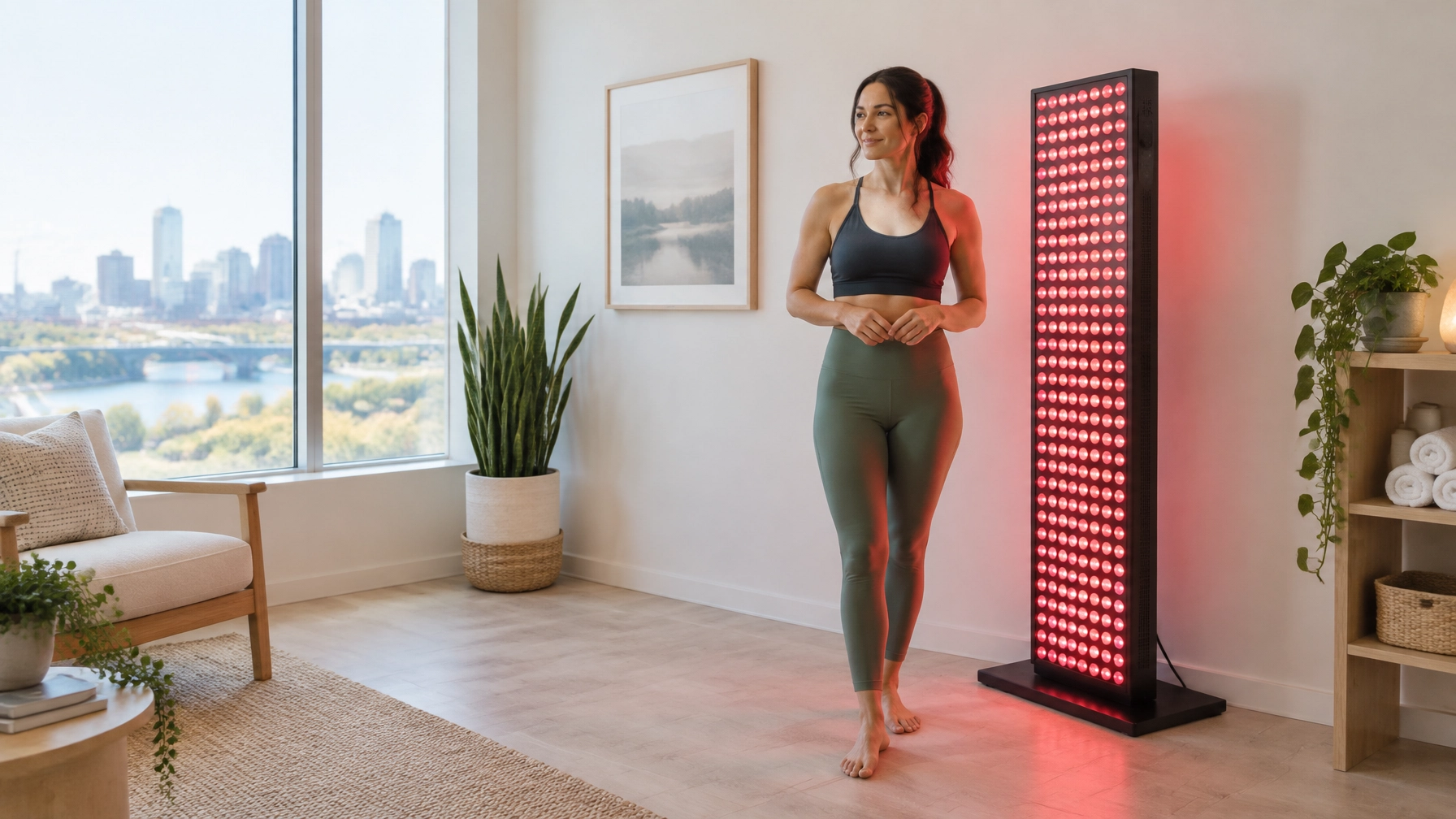
Author: AI Marblism

  • Red Light Therapy Before and After: What Realistic Results Look Like and When to Expect Them

    Red Light Therapy Before and After: What Realistic Results Look Like and When to Expect Them

    If you have been exploring the world of wellness in Edmonton, you have likely heard the buzz about red light therapy (RLT). From skin rejuvenation to faster muscle recovery, the promises are everywhere. But if you are like most health-conscious people, you want to know the truth behind the "before and after" photos.

    Does it actually work? How long do you have to stand in front of those red panels before you see a change? And is the "glow" everyone talks about real, or just good lighting?

    At Wave Therapy, we believe in transparency and science. Red light therapy is a powerful tool for cellular health, but it is not magic, it is biology. Understanding how your body responds to low-level wavelengths of light is the key to setting realistic expectations.

    In this guide, we will answer the most common questions about the red light therapy timeline, what to expect during your sessions, and how to get the best possible results.

    How long does red light therapy take to work?

    One of the most common questions we hear is, "When will I see a difference?" Because red light therapy works at a cellular level by stimulating the mitochondria (the powerhouses of your cells), the timeline depends entirely on what you are trying to treat.

    Here is a breakdown of the typical timeline for common wellness goals:

    Muscle Recovery: 1–3 Sessions

    Athletes and fitness enthusiasts often notice the benefits of red light therapy almost immediately. When used post-workout, RLT helps reduce delayed-onset muscle soreness (DOMS) and inflammation. You might feel less "stiff" or notice that your recovery time between heavy lifting sessions has shortened within just a few visits.

    Pain and Inflammation: 1–4 Weeks

    For those dealing with joint pain or chronic inflammation, consistency is key. While some feel a soothing effect after one session, clinical research suggests that significant pain reduction typically takes 1 to 4 weeks of regular use (roughly 3 sessions per week). According to the Cleveland Clinic, the light helps by increasing circulation and reducing the oxidative stress that contributes to chronic pain.

    Skin Health and Radiance: 4–6 Weeks

    If you are looking for that "red light glow," you will usually see an improvement in skin tone and clarity within a month. This is because RLT helps calm redness and improve circulation near the surface of the skin.

    Collagen Production and Anti-Aging: 8–15 Weeks

    Unlike a topical cream, red light therapy works from the inside out to stimulate collagen and elastin. Because skin cells take time to regenerate and structural changes in the dermis happen slowly, you should expect to wait 2 to 4 months to see a visible softening of fine lines or a firmer skin texture.

    Hair Growth: 16–24 Weeks

    Hair follicles have a very long growth cycle. Most people using red light therapy for thinning hair won't see significant "before and after" changes for at least 4 to 6 months. Patience is essential here, as the light is working to move follicles from a resting phase into an active growth phase.

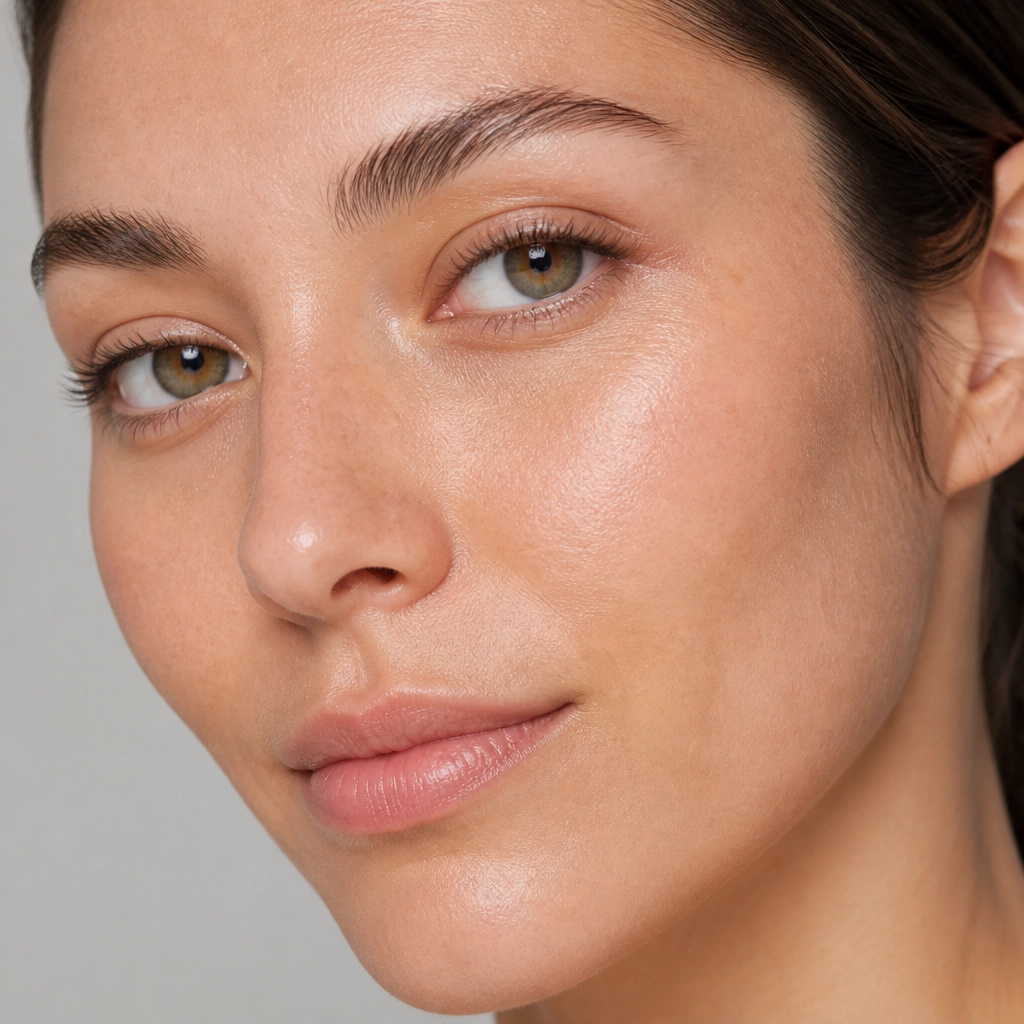
    A woman with healthy, glowing skin, representing the long-term benefits of red light therapy for skin rejuvenation.

    How many sessions does it take to see results?

    While everyone’s body is unique, the vast majority of our clients at Wave Therapy begin to see visible changes within 4 to 8 sessions.

    It is important to remember that red light therapy is a cumulative treatment. Think of it like going to the gym; one workout feels good, but three months of workouts change your physique. For the best results, we generally recommend starting with 2–3 sessions per week. Once you have reached your desired "after" state, many people transition to a maintenance schedule of once a week or twice a month.

    If you are looking to start your journey, you can explore our session options here.

    What does red light therapy do for skin?

    Red light therapy is a favorite in the anti-aging community for a reason. As Healthline notes, RLT (specifically wavelengths between 630nm and 660nm) is effective for several skin concerns:

    • Collagen Stimulation: It helps your body produce more collagen, which is the protein responsible for skin elasticity.
    • Improved Texture: By reducing inflammation and increasing blood flow, it can help smooth out rough patches and even out skin tone.
    • Acne Support: While blue light is often used for bacteria, red light helps reduce the inflammation and redness associated with breakouts, helping the skin heal faster.
    • Wound Healing: RLT has been shown to accelerate the healing of scars and minor skin injuries by promoting tissue repair.

    At Wave Therapy, we focus on full-body rejuvenation, ensuring your skin gets the light it needs to look and feel its best.

    A person in a wellness setting focusing on recovery, highlighting how red light therapy aids in muscle and joint health.

    Does red light therapy actually work for pain?

    Yes, and this is where the science is particularly robust. Red light therapy: and specifically its near-infrared (NIR) component: can penetrate deeper into the body, reaching muscles, nerves, and even bone.

    Clinical research published and discussed by Scientific American highlights that RLT can be a valuable tool for managing musculoskeletal pain. By boosting cellular energy (ATP), the therapy helps cells repair themselves more efficiently.

    This makes it an excellent choice for:

    • Reducing joint stiffness in those with arthritis.
    • Alleviating lower back pain.
    • Speeding up recovery from sports injuries.

    Many of our clients find that RLT works exceptionally well when paired with other recovery modalities. For example, getting a massage from our partners at Massage Quest or booking a specialized session through our sister company Book-a-Therapy can complement the cellular healing of red light with structural relief for the muscles.

    Is red light therapy safe? What are the side effects?

    One of the best things about red light therapy is its safety profile. It is a non-invasive, non-thermal, and FDA-cleared treatment. Unlike tanning beds, RLT does not use harmful UVA or UVB rays, so there is no risk of skin damage or cancer.

    Are there side effects?

    Side effects are extremely rare and usually very mild. Some people might experience:

    • Temporary redness in the treated area (due to increased blood flow).
    • Mild eye strain (if you don't use the provided protective eyewear).
    • Slight headache (rare, usually due to brightness).

    It is important to note that while it is safe for most, we recommend consulting with a doctor if you are pregnant, have a history of seizures triggered by light, or are taking photosensitizing medications.

    Practical takeaways for your "Before and After" journey

    If you want to see the best results from your red light therapy sessions in Edmonton, keep these tips in mind:

    1. Be Consistent: This is the most important factor. Stick to your schedule, especially in the first month.
    2. Hydrate: Cellular repair requires water. Drink plenty of water before and after your sessions.
    3. Clean Skin: For facial treatments, ensure your skin is free of heavy makeup or sunscreens that might reflect the light.
    4. Track Your Progress: Take a photo before your first session and another after one month. Changes can be subtle day-to-day, but significant over several weeks.
    5. Listen to Your Body: Everyone reacts differently. Adjust your frequency based on how you feel.

    A serene wellness room prepared for a holistic treatment, symbolizing the integration of red light therapy into a broader wellness routine.

    Ready to see the results for yourself?

    Red light therapy isn't a "miracle cure," but it is a scientifically backed way to support your body's natural healing processes. Whether you are looking to soothe aching joints, speed up your post-gym recovery, or achieve a more youthful complexion, the key is simply getting started.

    If you are curious about how red light therapy can fit into your life, we invite you to learn more about our full-body treatments at Wave Therapy. You can also check out our other blog posts to dive deeper into the science of light and wellness.

    When you're ready to experience the "after" for yourself, feel free to book your first session. We look forward to being part of your wellness journey here in Edmonton.

  • Can Red Light Therapy Help Autoimmune Conditions? What the 2026 Research Says About Lupus and Inflammation

    Can Red Light Therapy Help Autoimmune Conditions? What the 2026 Research Says About Lupus and Inflammation

    For many in the Edmonton wellness community, the last few years have brought a massive shift in how we look at chronic inflammation. By 2026, red light therapy (RLT): technically known as photobiomodulation: has moved from a "beauty secret" to a serious tool for managing systemic health.

    One of the most frequent questions we hear at Wave Therapy is: "Is this safe for someone with an autoimmune condition?"

    Whether you are navigating the daily challenges of Rheumatoid Arthritis (RA), Hashimoto’s, or the complex sensitivities of Lupus, understanding the intersection of light and biology is key. Let’s dive into the latest research and common questions surrounding red light therapy and autoimmune health.

    What does the 2026 research say about RLT and autoimmune conditions?

    The landscape of light therapy has matured significantly. In a landmark 2026 report by the American Medical Association (AMA), researchers highlighted that while RLT is not a "cure," it serves as a powerful immunomodulator. This means it doesn't just suppress the immune system (like many traditional medications); it helps "rebalance" the inflammatory response.

    A deep-dive published in Nature/Scientific American earlier this year echoed this, showing that red and near-infrared light can significantly lower pro-inflammatory cytokines (the "alarm bells" of the immune system) while boosting anti-inflammatory markers. For people with chronic conditions, this suggests a potential reduction in systemic "flare" intensity.

    How does red light therapy actually work for inflammation?

    To understand the benefit, we have to look at the cellular level. When you sit in a full-body red light therapy session, the low-level wavelengths penetrate your skin and reach the mitochondria: the powerhouses of your cells.

    1. Energy Boost (ATP): The light helps mitochondria produce more ATP (energy), which gives your cells the fuel they need to repair damage.
    2. Oxidative Stress Reduction: It helps clear out cellular waste that builds up during chronic inflammation.
    3. Collagen & Repair: By stimulating collagen stimulation therapy, it supports the repair of connective tissues often targeted by autoimmune attacks.

    If you’re wondering if this sounds a bit like science fiction, you aren't alone. We’ve explored the fundamental question, “Does Red Light Therapy Actually Work?” in our detailed guide on the biological mechanisms behind the glow.

    Close-up of hands resting peacefully under a soft red light therapy panel, highlighting gentle pain relief therapy.

    Is Red Light Therapy safe for Lupus and photosensitivity?

    This is the most critical question for the Lupus community. Many people with Systemic Lupus Erythematosus (SLE) are highly sensitive to UV light (the sun).

    The Good News: Red light therapy uses specific wavelengths (usually 630nm to 850nm) that are non-UV. These wavelengths do not carry the same "burning" energy as the sun's ultraviolet rays.

    The Precaution: While RLT is generally non-photosensitizing, everyone’s body is different. The 2026 consensus suggests that Lupus patients should:

    • Start with very short, low-intensity sessions.
    • Monitor their skin and systemic symptoms closely.
    • Always consult their rheumatologist first, especially if they are on photosensitizing medications.

    At Wave Therapy, we focus on a "slow and steady" approach for our clients with sensitive conditions to ensure the body responds positively without being overwhelmed.

    Which autoimmune conditions show the strongest evidence for RLT?

    While research is ongoing, certain conditions have shown remarkably consistent results with infrared light therapy:

    Rheumatoid Arthritis (RA)

    RLT is perhaps most famous for joint pain relief. By reducing inflammation in the synovial fluid of the joints, many clients report a significant reduction in morning stiffness and improved grip strength. If you are also using therapeutic massage to manage RA, our partners at Massage Quest often recommend RLT as a "warm-up" to help the muscles relax before deep tissue work.

    Hashimoto’s Thyroiditis

    Recent studies have looked at applying RLT directly to the thyroid area. Some preliminary 2026 data suggests it may help reduce the thyroid antibody count in some individuals by calming the local immune attack on the gland.

    Psoriasis and Skin-Based Conditions

    Because RLT is a leader in skin rejuvenation treatments, it is frequently used to calm the plaques and redness associated with psoriasis. It helps speed up the skin's natural healing cycle without the side effects of steroid creams.

    Conceptual illustration of red and near-infrared light waves gently interacting with skin for collagen stimulation.

    What should I expect from a session at Wave Therapy?

    If you’re in Edmonton and looking for pain relief therapy, your first session is all about comfort. Unlike clinical environments that can feel cold or intimidating, our space is designed for relaxation.

    • The Environment: You’ll be in a private, warm room.
    • The Feeling: Most people describe a gentle, soothing warmth (though the light itself isn't "hot"). It feels a bit like laying in a patch of soft sunlight.
    • The Duration: Sessions typically last 10–20 minutes.
    • The Integration: Many of our clients find that pairing RLT with restorative massage through Book a Therapy creates a comprehensive wellness routine that tackles both physical tension and internal inflammation.

    Important Safety & Precautions

    While we are huge advocates for the benefits of light, we believe in a "safety-first" philosophy. Just as we discuss in our post about Red Light Therapy Safety During Pregnancy, there are times when caution is necessary.

    Who should be extra careful?

    • Active Flares: If you are in the middle of a severe autoimmune flare, your body is already under high stress. It’s often best to wait until the "storm" passes before starting new treatments.
    • Organ Transplants: If you take heavy immunosuppressants for a transplant, consult your doctor, as RLT can stimulate immune activity.
    • Eyes: We always provide specialized eye protection. Even though the light is "red," it is very bright and concentrated.

    A person sitting in a bright, modern wellness lounge, looking relaxed after a red light therapy session in Edmonton.

    The Takeaway: A Local Edmonton Approach to Wellness

    Managing an autoimmune condition is a marathon, not a sprint. In 2026, we have more tools than ever to help manage the "background noise" of inflammation. Red light therapy offers a non-invasive, drug-free way to support your body’s natural healing processes.

    If you’re curious about how RLT might fit into your specific health journey, we invite you to come in and chat. We’re proud to be a part of Edmonton's holistic health community, helping you feel a little more like yourself, one session at a time.

    Ready to see how it feels?
    Explore our sessions or stop by our Edmonton studio to learn more about our advanced red light systems.


  • Is Red Light Therapy Safe During Pregnancy? What the 2026 Research Says

    Is Red Light Therapy Safe During Pregnancy? What the 2026 Research Says

    As red light therapy (RLT) becomes a staple in the wellness routines of many Edmontonians, a question we often hear at Wave Therapy is: “Is it safe for me and my baby?”

    Pregnancy is a time of hyper-awareness. You’re checking every skincare ingredient, every workout, and every supplement. It’s only natural that you’d want to know if the soothing red glow of a photobiomodulation session is a friend or a foe during these nine months.

    In 2026, the research landscape has expanded, giving us a clearer picture of how low-level light therapy interacts with the body during pregnancy. While the gold standard of "large-scale human trials" specifically for pregnant women still doesn't exist, we have significant scientific data to help you and your OB-GYN make an informed decision.

    The Science: What is Red Light Therapy?

    To understand safety, we first have to understand what red light therapy actually is. At Wave Therapy, our systems use specific wavelengths: typically between 630nm and 850nm. These fall into the red and near-infrared categories.

    Crucially, this light is non-ionizing.

    Unlike X-rays or UV light from a tanning bed, red light does not have enough energy to strip electrons from atoms or damage DNA. It is non-mutagenic. Instead, it works at a cellular level to stimulate the mitochondria (the powerhouses of your cells), encouraging them to produce more energy (ATP) and reduce oxidative stress.

    A scientific diagram showing the non-ionizing, safe range of red and near-infrared light wavelengths.

    What the 2026 Research Says About Safety

    The prevailing medical consensus in 2026 is one of cautious optimism.

    According to experts at the Cleveland Clinic, red light therapy is generally considered non-toxic and non-invasive. When it comes to pregnancy specifically, a 2025 evidence review highlighted that there are no documented cases in medical literature of properly dosed LED red light causing adverse pregnancy outcomes.

    Furthermore, Healthline and pregnancy-focused platforms like The Bump note that while research is limited, early studies are promising. One often-cited study followed 380 pregnant women who received various light treatments and found no negative effects for either the parent or the fetus.

    However, because the womb is a sensitive environment, the medical community still advises a "safety-first" approach.

    Key Research Takeaways:

    • DNA Safety: RLT does not damage DNA or cause mutations.
    • Heat Levels: Professional LED panels (like the ones we use in Edmonton) produce very little heat, which is vital because elevated maternal core temperatures can be a risk factor.
    • Localized Use: Research consistently supports that using RLT on areas like the face, arms, or legs carries minimal to no risk for the developing fetus.

    Guidelines for Using Red Light Therapy During Pregnancy

    If you’re considering red light therapy while pregnant, we always recommend a conversation with your OB-GYN or midwife first. Every pregnancy is unique, and your healthcare provider knows your history best.

    If you get the green light, here are the standard safety protocols for 2026:

    1. Avoid the "Bump" and Pelvic Region

    While there is no evidence that red light harms a fetus, the general recommendation is to avoid direct application to the abdomen, pelvis, or lower back. By focusing the light on your extremities or face, you can enjoy the benefits of the therapy without any direct exposure to the womb.

    2. Limit Session Length

    In the world of red light therapy, more isn't always better. We typically recommend limiting sessions to 10–15 minutes. This ensures your body receives the cellular "nudge" it needs without overstimulating the tissues.

    3. The First Trimester Rule

    Many practitioners suggest being extra cautious during the first 12 weeks of pregnancy, as this is the most critical window for organ development. Many women choose to wait until their second trimester to resume or start RLT sessions.

    4. Watch for Sensitivity

    Pregnancy hormones can make your skin more sensitive to light and heat. Always pay attention to how your skin feels and stop the session if you feel any discomfort or unusual warmth.

    A close-up of a relaxed woman receiving a localized facial red light therapy session.

    How Red Light Therapy Can Help During Pregnancy

    Why would a pregnant woman want red light therapy in the first place? Beyond the simple relaxation of a 10-minute session, RLT can address several common pregnancy-related concerns:

    • Skin Rejuvenation Treatments: Many women experience "pregnancy mask" (melasma) or hormonal breakouts. Red light therapy is a natural way to support skin health and collagen production without harsh chemicals.
    • Joint Pain Relief: As your center of gravity shifts, your knees, ankles, and upper back often pay the price. Red light can help manage inflammation and provide much-needed pain relief therapy in those localized areas.
    • Collagen Stimulation Therapy: RLT is famous for boosting collagen, which can help maintain skin elasticity during a time of significant physical change.
    • Mood and Energy: Let’s face it: growing a human is exhausting. The gentle stimulation of RLT can provide a natural energy boost and a moment of calm in a busy day.

    If you're curious about general skin safety, you can read our deep dive: Is Red Light Therapy Bad for Your Skin? Here's the Truth.

    Postpartum Recovery: Where RLT Shines

    While caution is the keyword during pregnancy, red light therapy becomes a powerhouse tool once your little one arrives. Emerging evidence in 2026 strongly supports the use of RLT for postpartum recovery.

    Research has shown that red and near-infrared light can significantly accelerate wound healing: whether that’s from a C-section incision or episiotomy recovery. It is also being used by many nursing mothers to help soothe nipple pain and promote faster healing of damaged tissue.

    A mother holding her newborn in a peaceful setting, representing the postpartum recovery phase.

    At this stage, many of our clients also find that combining RLT with professional massage is the ultimate recovery duo. If you're looking for specialized postpartum massage in the Edmonton area, we highly recommend checking out Massage Quest or booking a session through Book A Therapy. These sister services provide the hands-on care that perfectly complements the cellular-level work of red light.

    The Wave Therapy Approach in Edmonton

    At Wave Therapy, we believe in a grounded, science-aware approach to wellness. We aren't here to push "miracle cures." We’re here to provide a safe, professional environment where you can access advanced light technology.

    For our pregnant clients, we offer localized sessions that focus specifically on the face, neck, arms, or legs. Our full-body systems are highly adjustable, allowing us to ensure you are comfortable and that the light is directed only where it’s needed.

    We understand that wellness during pregnancy is a personal journey. Whether you're looking for infrared light therapy to help with those swollen ankles or skin rejuvenation treatments to get that "glow" back, we’re here to support you safely.

    The modern, clean interior of the Wave Therapy studio in Edmonton.

    Summary: A Cautious "Yes"

    So, is red light therapy safe during pregnancy? The 2026 data suggests that for localized use on the face and extremities, the risk is extremely low, and the benefits for pain and skin health are significant. However, the abdomen and pelvic areas should remain "off-limits" out of an abundance of caution, and your OB-GYN should always be your first point of contact.

    If you have more questions about the safety or science behind our sessions, feel free to browse our comprehensive FAQ page.

    When you're ready to explore how red light can fit into your wellness routine: whether now or in your postpartum journey: we’d love to see you at our Edmonton studio.

    Explore our sessions at Wave Therapy

  • Can Red Light Therapy Actually Reduce Belly Fat? What the 2026 Science Says

    Can Red Light Therapy Actually Reduce Belly Fat? What the 2026 Science Says

    If you’ve spent any time researching wellness trends in Edmonton lately, you’ve likely come across the buzz surrounding Red Light Therapy (RLT). It’s being hailed for everything from clearing up skin to soothing chronic joint pain. But as we move through 2026, one question dominates our inbox more than any other: "Can red light therapy actually help me lose belly fat?"

    It’s a fair question. The idea of "melting fat" by simply standing in front of specialized lights sounds like science fiction. However, recent clinical breakthroughs and FDA clearances suggest there is more to the story than just hype.

    In this post, we’re diving into the latest 2024 and 2025 research to explain exactly what RLT can (and cannot) do for your midsection.


    The Science of Fat Cells: How Light Becomes Energy

    To understand how red light affects fat, we have to look at the cellular level. Specifically, we look at the adipocyte: the fat cell.

    Red light therapy, also known as photobiomodulation (PBM), uses specific wavelengths of light (typically between 630nm and 850nm) to penetrate the skin. When these light photons reach your fat cells, they trigger a temporary change in the cell membrane.

    Think of it like this: the light creates tiny, temporary "pores" in the walls of your fat cells. This process, often called "leaking," allows the stored fat (lipids) to spill out into the interstitial space between cells.

    A person receiving red light therapy in a professional, calming wellness environment.

    The "Drain, Don't Destroy" Approach

    Unlike invasive procedures like liposuction (which removes fat cells) or cryolipolysis (which freezes and kills them), red light therapy doesn’t destroy the cells. Instead, it encourages them to release their contents. This makes RLT a non-invasive, "kinder" way to approach body contouring.

    However: and this is a crucial point: once those lipids are released, your body needs to do something with them. If you don't "burn" that released energy through movement or a caloric deficit, your body may simply reabsorb it.


    What the Latest 2025 and 2026 Research Tells Us

    We are finally seeing the results of long-term studies that look specifically at metabolism and localized fat reduction.

    1. The 9% Metabolic Boost

    A pivotal 2025 peer-reviewed study published in Nutrients (a leading journal for human nutrition) found that a single 12-minute full-body RLT session increased resting energy expenditure (REE) by approximately 9% in women with obesity.

    This is significant. It suggests that RLT doesn’t just affect the fat cells directly under the light; it may actually "nudge" your overall metabolism into a slightly higher gear. For a smart, busy adult in Edmonton, this means your body is working a little harder to burn calories, even while you’re resting after your session.

    2. The Nishioka Study (2024)

    Further evidence came in 2024, when a study led by Nishioka et al. followed 90 women using LED photobiomodulation. The results showed a measurable reduction in both abdominal fat thickness and waist circumference. This study is often cited as proof that targeted LED light can help with the "stubborn" subcutaneous fat that often resists diet and exercise alone.

    3. FDA Clearance for Body Contouring

    It is important to note that the FDA has cleared specific 635nm red light devices for non-invasive body contouring, rather than "weight loss." In several randomized controlled trials, participants saw circumference reductions of 2 to 10 centimeters across treated sites over a 2-to-6-week period. The Cleveland Clinic notes that red light therapy devices may be FDA-cleared for certain uses, but that clearance is not the same as broad proof for every marketing claim made about treatment outcomes.

    At Wave Therapy, we always emphasize that "contouring" and "weight loss" are different. Contouring is about shape and inches; weight loss is about the number on the scale. RLT excels at the former.


    Why Red Light Therapy Isn't a "Magic Bullet"

    While the science is exciting, we believe in being grounded and factual. Red light therapy is not a replacement for a healthy lifestyle. If you are looking for a miracle cure that allows you to bypass the gym and a balanced diet, RLT will likely disappoint you.

    It’s a Supportive Tool, Not a Standalone

    Most experts, and the team here at Wave Therapy, agree that RLT works best as a supportive tool. When you combine RLT with aerobic exercise, the results are significantly better than using either one alone.

    The Winning Formula:

    1. RLT Session: Opens the fat cells and releases lipids.
    2. Hydration: Helps the lymphatic system flush out the released fats.
    3. Movement: Aerobic exercise (like a brisk walk in one of Edmonton’s beautiful river valley parks) ensures those released lipids are burned for fuel rather than stored again.

    A healthy lifestyle setup with fresh food and exercise gear, representing the synergy between RLT and wellness.

    If you're curious about other ways RLT can benefit your health beyond just fat reduction, check out our recent post on Does Red Light Therapy Actually Work? or dive into our Top 10 Questions About Red Light Therapy.


    Who Is This For? (And Who Should Skip It?)

    Red light therapy is an excellent option for health-conscious Edmontonians who are already doing the work but feel stuck. If you're specifically wondering about body weight, Healthline also offers a helpful overview of red light therapy for weight loss, including where the evidence looks promising and where expectations should stay realistic.

    It’s Great For:

    • People looking to target "stubborn" areas like the lower abdomen or "love handles."
    • Fitness enthusiasts wanting to optimize their metabolism and muscle recovery.
    • Individuals seeking a non-invasive alternative to more aggressive body-contouring procedures.

    Who Should Consult a Doctor First:

    • Pregnant individuals.
    • People with active cancer or undiagnosed lesions.
    • Those with extreme light sensitivity.

    What to Expect During a Session at Wave Therapy

    If you’ve never tried RLT before, the experience is incredibly relaxing. At our Edmonton location, you’ll step into a private, calm room. You simply stand or lay in front of the panels for about 10–20 minutes.

    There is no pain, no heat (it’s not a sauna), and no downtime. Most clients describe it as a warm, soothing "light bath." You can go right back to your day: or better yet, head to a session with our partners at Massage Quest or Book A Therapy to further support your body's circulation and recovery.

    A serene, modern treatment room at Wave Therapy, designed for relaxation and healing.

    How Many Sessions Do I Need?

    While the 2025 study showed a metabolic boost after just one session, visible contouring results usually take time. Most of our clients see the best results within 4 to 8 sessions, spaced out over a few weeks. Consistency is the key to seeing those "centimeter" reductions mentioned in the clinical trials.


    Practical Takeaways for 2026

    If you are considering red light therapy for belly fat reduction, keep these three things in mind:

    1. Science Supports It: New data from 2024 and 2025 confirms that RLT can increase energy expenditure and reduce fat thickness.
    2. Inches over Pounds: Focus on how your clothes fit and how your body feels, rather than just the scale.
    3. The Lifestyle Connection: Use RLT as a "metabolic tailwind" to power your existing healthy habits.

    Red light therapy is a fascinating, science-backed way to support your body’s natural processes. It isn't magic: it's photobiomodulation. By giving your cells the light energy they need, you’re helping them function at their absolute best.

    Ready to see what the light can do for you?
    Learn more about our sessions or explore our services when you’re ready to take the next step in your wellness journey.


  • Does Red Light Therapy Actually Work? What the Latest 2026 Research Says

    Does Red Light Therapy Actually Work? What the Latest 2026 Research Says

    Red light therapy (RLT) has officially moved from the fringes of "biohacking" into the mainstream of Canadian wellness. If you’ve spent any time looking for natural ways to manage joint pain, improve your skin, or recover faster from a workout at the gym, you’ve likely come across those glowing red panels.

    But as the trend grows, so does the skepticism. People in Edmonton are asking the same important question: Does red light therapy actually work, or is it just expensive mood lighting?

    As we move through 2026, the scientific community has provided more clarity than ever before. New research has moved past "preliminary findings" to offer concrete evidence on what this technology can, and cannot, do. At Wave Therapy, we believe in education first.

    Here is what the latest 2026 clinical research and expert consensus tell us about the efficacy of red light therapy.

    Does Red Light Therapy Actually Work?

    In short: Yes, but it depends on what you are trying to achieve.

    Red light therapy, scientifically known as photobiomodulation (PBM), works by using specific wavelengths of light (typically between 630nm and 850nm) to penetrate the skin. Unlike UV rays from the sun, these wavelengths do not cause damage. Instead, they interact with a light-sensitive enzyme in our mitochondria, the powerhouses of our cells.

    When these cells absorb red and near-infrared light, they produce more adenosine triphosphate (ATP), which is essentially cellular energy. Think of it like "charging" your cells, allowing them to repair themselves and function more efficiently.

    The Biological Mechanism

    Recent studies published in journals like Nature (2026) have highlighted that this isn't just a surface-level effect. The light triggers a cascade of biological responses that reduce oxidative stress and inflammation throughout the body. This is why a treatment applied to one area can sometimes feel like it’s providing systemic benefits.

    Conceptual view of biological cells responding to red light waves, illustrating the science of photobiomodulation.

    What Does the 2026 Research Say?

    The year 2026 has been a turning point for RLT research. Major health organizations and scientific journals have released comprehensive reviews that distinguish between marketing hype and medical reality.

    1. The Expert Consensus

    A major 2025-2026 consensus review led by over 20 medical specialists concluded that red light therapy is both safe and effective for a specific set of clinical conditions, including pattern hair loss, peripheral neuropathy, and certain types of chronic ulcers. This report, widely cited by NPR in early 2026, marks a significant shift toward the medical acceptance of light-based treatments.

    2. Mitochondrial Health

    Research from the Cleveland Clinic and recent university studies continue to emphasize the role of RLT in mitochondrial "rejuvenation." The 2026 data shows that regular exposure to these wavelengths can help cells maintain higher energy levels as we age, which has massive implications for anti-aging and long-term vitality.

    3. The "Broad Wellness" Caveat

    While the evidence for skin and pain is robust, researchers caution that RLT is not a "miracle cure" for everything. Claims regarding massive weight loss or "fat melting" are still being studied. While some 2025 trials showed a ~9% increase in resting energy expenditure in specific groups, it is best viewed as a supportive tool rather than a standalone solution for metabolic health.

    What Conditions Have the Strongest Evidence?

    If you are considering booking a session at Wave Therapy, it’s helpful to know where the science is strongest. According to 2026 clinical guidelines, the following areas show the most significant results:

    Skin Rejuvenation and Anti-Aging

    This remains the most popular use for RLT. Controlled trials have shown that LED red-light treatments can progressively improve wrinkles, skin firmness, and dermal density.

    • The Result: A 2025 study found that twice-weekly sessions over 12 weeks led to measurable increases in intradermal collagen, reducing wrinkle depth by up to 38%.
    • Who it’s for: Anyone looking for a non-invasive alternative to fillers or aggressive chemical peels.

    Close-up of healthy, glowing skin emphasizing natural texture and the results of a consistent wellness routine.

    Chronic Pain and Inflammation

    For those in Edmonton dealing with the aches of a long winter or sports-related injuries, RLT offers a drug-free path to relief.

    • Strongest Evidence: Fibromyalgia, osteoarthritis, and joint inflammation.
    • How it works: By reducing inflammatory markers and increasing blood flow to the affected area, RLT helps the body heal at the source of the pain. Curious about the difference between red and infrared light for pain? Our comparison guide breaks it down. If you are already managing pain through massage, you might find that RLT at Wave Therapy complements the work you do at Massage Quest or with our partners at Book a Therapy.

    Hair Growth (Androgenetic Alopecia)

    The 2026 expert consensus now lists pattern hair loss as a condition with "high-level evidence" for RLT. FDA-cleared devices and professional-grade panels help stimulate hair follicles that have become dormant, promoting natural regrowth.

    How Long Until You See Results?

    One of the most common mistakes people make with red light therapy is expecting "instant" results after a single 10-minute session. While some people report feeling a "wellness glow" or immediate minor pain relief, the real magic happens over time.

    • Skin Improvement: Expect to see visible changes in 4 to 8 weeks of consistent use (2-3 sessions per week).
    • Muscle Recovery: Most athletes notice a difference in soreness levels within 24 hours of a post-workout session.
    • Pain Management: Chronic conditions typically require a "loading phase" of 6-10 sessions over three weeks to significantly lower inflammation levels.

    For a deeper dive on session timing and frequency, check out our recent post on red light therapy and how long and how often you should use red light therapy.

    At Wave Therapy, we typically recommend a series of sessions to allow the cumulative cellular effects to take hold. You can explore our session options and packages to find a rhythm that works for your schedule.

    Is It Safe?

    Safety is the biggest advantage of red light therapy. Unlike tanning beds (which use DNA-damaging UV light) or laser resurfacing (which involves controlled injury to the skin), RLT is entirely non-invasive.

    Key Safety Facts for 2026:

    • No Down Time: You can have a session during your lunch break and go straight back to work.
    • Non-Thermal: The light doesn't burn the skin; it’s a "cool" light therapy.
    • FDA Cleared: Many professional systems are FDA-cleared for pain relief and skin rejuvenation.
    • Contraindications: While safe for most, we recommend consulting a doctor if you are pregnant, have active cancer, or are taking photosensitizing medications.

    A person relaxing in a professional red light therapy session, illustrating the calm and comfortable nature of the treatment.

    The Verdict: A Grounded Approach to Wellness

    Does red light therapy actually work? The 2026 research says a resounding yes: provided your expectations are aligned with the science. It is an incredible tool for cellular health, skin integrity, and inflammation management.

    It isn't a magic wand, but it is a powerful, science-backed way to support your body’s natural ability to heal and rejuvenate. Whether you’re a fitness enthusiast looking for faster recovery or someone wanting to maintain a youthful glow naturally, RLT is a practical addition to a healthy lifestyle.

    If you’re curious about how this might feel for yourself, we invite you to experience it in a professional, relaxing environment.

    Ready to see what the glow is all about?
    Learn more about our services or explore our sessions when you’re ready to begin your journey.


  • Red Light Therapy in 2026: How Long, How Often, and What to Expect

    Red Light Therapy in 2026: How Long, How Often, and What to Expect

    By now, you’ve likely seen the red glow through a neighbor's window or noticed the sleek LED panels appearing in local Edmonton gyms and wellness centers. In 2026, red light therapy (RLT) has officially moved from a "fringe biohack" to a fundamental pillar of modern health. Whether you're looking for skin rejuvenation treatments, faster muscle recovery therapy, or natural pain relief therapy, red light is the tool of choice for health-conscious individuals.

    But as the technology becomes more accessible, the questions have changed. We’re no longer asking "what is it?", we’re asking "how do I get the most out of it?" If you’re wondering how often to step into the glow or how long it takes to actually see a difference in the mirror, this guide is for you.

    Does Red Light Therapy Actually Work?

    It’s the most common question we hear at Wave Therapy: is this just fancy lighting, or is there science behind it?

    The short answer is yes: but the "how" is what matters. Red light therapy works through a process called photobiomodulation. When specific wavelengths of light hit your skin, they penetrate deep into the cells to reach the mitochondria (the powerhouses of your cells). This stimulates the production of Adenosine Triphosphate (ATP), which is essentially the fuel your cells use to repair themselves and function at their peak.

    According to the Cleveland Clinic, RLT is increasingly recognized for its ability to reduce inflammation and promote healing. It isn’t a "miracle cure," but rather a biological "nudge" that helps your body do what it already does: just more efficiently. For a deeper dive into the common myths, check out our previous post on answering the top 10 questions about red light therapy.

    What Wavelengths Matter Most in 2026?

    Not all light is created equal. To get the benefits of collagen stimulation therapy or deep tissue healing, you need the right "recipe" of light. In 2026, the industry has standardized around two primary bands of light:

    1. Visible Red Light (630–670 nm): This is the light you can see. It is perfect for surface-level concerns like fine lines, acne, and overall skin tone. This is the "gold standard" for skin rejuvenation treatments.
    2. Near-Infrared Light (810–850 nm): This light is invisible to the human eye but penetrates much deeper: reaching muscles, nerves, and even bone. This is the primary driver for infrared light therapy aimed at joint pain and recovery.

    At Wave Therapy, we use multi-wavelength systems that combine these bands, ensuring you get both the surface glow and the deep-tissue repair in every session.

    Close-up of a person receiving a facial red light therapy treatment for skin rejuvenation.

    How Long Does It Take to See Results?

    We live in a world of instant gratification, but biological change takes time. Think of red light therapy like a workout routine or a healthy diet: consistency is the secret ingredient.

    • Pain and Inflammation: Many clients feel a subtle "loosening" or reduction in joint stiffness after just one or two sessions. However, for chronic conditions, a consistent 2-week period is usually where the magic happens.
    • Skin Improvement: Since skin cells take about 28 to 40 days to turn over, you should expect to see visible changes in texture and "glow" around the 4 to 6-week mark.
    • Muscle Recovery: Athletes using RLT for muscle recovery therapy often notice reduced soreness within 24 hours of a session, helping them get back to training faster.
    • Fat Loss Support: When used as part of a holistic wellness plan, fat reduction results are typically measured over an 8 to 12-week window.

    How Often and How Long Should You Use It?

    The "dose" makes the therapy. In 2026, research from sources like Healthline suggests that more is not always better. Your cells can only absorb so much energy at once.

    • Frequency: For most people, 3 to 5 sessions per week is the "sweet spot." This gives your cells a consistent boost without overstimulating them.
    • Duration: A typical session lasts between 10 and 20 minutes. If you are using a high-powered professional panel, 10 minutes is often plenty.
    • Distance: For skin benefits, being about 6–12 inches away is ideal. For deeper muscle recovery, you may want to be closer to the light source to maximize penetration.

    If you're just starting out, we always recommend beginning with shorter sessions and gradually increasing as your body acclimates to the increased cellular energy.

    Professional full-body red light therapy setup for muscle recovery and wellness.

    Are There Side Effects? (Is It Safe?)

    Red light therapy is non-invasive, non-thermal (it doesn't burn), and FDA-cleared. It does not contain harmful UVA or UVB rays, so there is no risk of tanning or skin cancer.

    That said, there are a few safety protocols to keep in mind:

    1. Eye Protection: While red light isn't "toxic" to your eyes, the intensity of professional LEDs can be very bright. We always provide blackout goggles to ensure your comfort and safety. You can learn more in our guide to eye safety and red light therapy.
    2. Skin Sensitivity: If you are using photosensitizing medications (like some acne creams or antibiotics), consult your doctor first.
    3. Clean Skin: For the best results, come to your session with clean, dry skin. Lotions and sunscreens can block the light from penetrating effectively.

    Integrating Red Light into Your Edmonton Wellness Routine

    Red light therapy doesn't have to exist in a vacuum. In fact, it works beautifully alongside other recovery modalities. Many of our clients in Edmonton find that a session of infrared light therapy is the perfect follow-up to a deep tissue massage.

    If you’re looking to pair your light therapy with world-class bodywork, we highly recommend checking out our friends at MassageQuest or our sister company BookATherapy for convenient massage bookings. Combining these treatments can significantly accelerate muscle recovery therapy and improve your overall sense of well-being.

    A relaxed person in a modern wellness lounge after a red light therapy session.

    Practical Takeaways for 2026

    • Focus on the Window: Ensure your device or provider uses 660nm and 850nm wavelengths.
    • Be Patient: Give yourself at least 4-8 weeks of consistent use before judging your results.
    • Stay Consistent: 3-5 times a week is the gold standard for long-term benefits.
    • Listen to Your Body: If you feel exceptionally tired or overstimulated, dial back the frequency.

    Red light therapy is one of the few wellness tools that is backed by thousands of peer-reviewed studies and carries almost zero risk. It’s an investment in your cellular health that pays dividends in how you look, feel, and move.

    If you're ready to see what the glow can do for you, we’re here to help. At Wave Therapy, we offer professional-grade systems designed to help you reach your goals: whether that's pain relief therapy, collagen stimulation therapy, or just a moment of calm in a busy week.

    Explore sessions at Wave Therapy and start your journey to better health today.

  • Are Red Light Therapy Devices Telling the Truth? What New Independent Tests Reveal (July 2026)

    Are Red Light Therapy Devices Telling the Truth? What New Independent Tests Reveal (July 2026)

    If you’ve spent any time looking into wellness trends in Edmonton lately, you’ve likely seen the buzz around red light therapy. From social media influencers to local fitness buffs, everyone seems to be glowing under those ruby-hued panels. The promises are big: better skin, faster recovery, and even non-invasive fat loss.

    But as the popularity of at-home devices has exploded, so has a nagging question for the savvy consumer: Are these devices actually doing what they claim?

    In July 2026, we finally got a definitive answer, and it’s a bit of a wake-up call for the industry.

    The Outliyr Bombshell: A Database of Truth

    On July 8-9, 2026, the independent testing group Outliyr released a massive update to its spectrometer testing database. They didn’t just read the back of the boxes; they took over 70 of the most popular red light therapy (RLT) devices on the market and put them through a rigorous, five-point measurement protocol.

    Using high-end spectrometers, digital oscilloscopes, and thermal cameras, they tested five key areas: irradiance (power), peak wavelengths, electromagnetic field (EMF) emissions, flicker, and heat distribution.

    The results were startling. The data revealed that many consumer-grade panels are delivering as little as 67% of their advertised power. On the flip side, some "budget" panels were actually pushing out nearly three times their rated power, which sounds like a win until you realize that too much light can actually negate the benefits or cause unwanted heat stress on the skin.

    A close-up shot of a handheld light spectrometer measuring the red light coming from a therapy panel, showing a digital screen with wavelength data.

    Why This Matters for Your Wellness Journey

    At Wave Therapy, we believe in being clear and grounded with our clients. When you're looking for red light therapy to help with something like skin rejuvenation treatments or muscle recovery therapy, the "dose" is everything.

    In March 2026, a landmark article published in a joint report by Scientific American and Nature highlighted that photobiomodulation (the science behind RLT) follows a "biphasic dose-response" curve. In plain English: there is a "sweet spot." If the light is too weak, nothing happens at a cellular level. If it's too strong or used for too long, the benefits drop off.

    If your home device is lying to you about its power (irradiance), you have no way of knowing if you are actually hitting that sweet spot. You might be sitting in front of a light for 20 minutes and getting the equivalent of 2 minutes of actual therapy.

    Professional Panels vs. Consumer Gadgets: What’s the Difference?

    It’s tempting to grab a $200 panel off a massive online marketplace and call it a day. However, the Outliyr independent tests show that "affordable" often comes with hidden costs.

    1. Irradiance and Wavelength Accuracy

    Professional-grade systems, like the ones we use in our Edmonton studio, are designed to hit very specific wavelengths: typically 660nm (red) and 850nm (near-infrared). The Outliyr database found that cheaper devices often drift into less effective wavelengths or simply don't have the "punch" to penetrate deep into the tissue for pain relief therapy.

    2. The EMF and Flicker Factor

    This is the hidden side of RLT. Low-quality power supplies in consumer devices can create high EMF levels and significant "flicker" (the rapid pulsing of light). While you might not see the flicker, your brain and nervous system can detect it, leading to eye strain or headaches. Independent verification ensures these levels are kept at a safe, negligible minimum.

    3. Coverage and Consistency

    A small panel only treats a small area. To get the systemic benefits for non-invasive fat loss or full-body recovery, you need uniform coverage. The Outliyr tests used a 5-point measurement at a 12-inch distance to ensure the light wasn't just strong in the "center" but weak everywhere else. Most home panels failed this consistency test miserably.

    A split-screen photo comparing a small, cheap-looking plastic red light device to a professional-grade, large clinic-style red light therapy panel.

    How to Spot a Device That Actually Works

    If you are determined to buy your own device, don't just trust the marketing fluff. Here is what to look for:

    • Third-Party Spectroradiometry Reports: Don't take the brand's word for it. Look for independent lab results.
    • FDA Clearance: This indicates the device has met specific safety and manufacturing standards.
    • Detailed Specs: A reputable company will list irradiance at specific distances (e.g., 6 inches vs. 12 inches) and confirm their EMF/flicker status.
    • Check the Database: Consult the Outliyr Testing Database to see if the device has been independently verified.

    Taking the Guesswork Out at Wave Therapy

    We know that navigating the world of wellness tech can be exhausting. That’s why many Edmontonians choose to come to us at Wave Therapy.

    We use advanced, professional-grade red light therapy systems that are designed for maximum efficacy. We’ve done the homework on irradiance, wavelengths, and safety so you don't have to. Whether you are looking for support with non-invasive fat loss or you want to boost your skin rejuvenation routine, our sessions provide a consistent, powerful dose every single time.

    Our studio at 116 Edgemont Road NW is a space designed for relaxation. There’s no guessing if the light is "on" or if the "dose" is right. You simply show up, relax, and let the science do the work.

    A happy, healthy-looking woman with glowing skin sitting in front of a red light therapy panel, looking relaxed and rejuvenated.

    Complementing Your Wellness Routine

    Red light therapy works best when it's part of a holistic approach to health. Many of our clients find that pairing light therapy with other recovery modalities speeds up their results.

    For those looking for deep tissue work or sports recovery, we highly recommend checking out our partners at Massage Quest. If you're looking for a wider range of therapeutic massage options in the area, our sister company Book A Therapy makes it incredibly easy to find the right practitioner for your needs.

    Final Thoughts: Education is the Best Policy

    The 2026 Outliyr report is a win for consumers. It’s forcing brands to be more honest and helping people realize that all red light is not created equal.

    If you’ve been using an at-home device and haven't seen the results you expected, it might not be you: it might be the device. Sometimes, the best way to jumpstart your progress is to experience what a professional-grade system can actually do.

    A serene wellness studio in Edmonton with modern decor and a warm atmosphere.

    Ready to see the difference for yourself?

    We invite you to learn more about our technology and how it can help you reach your wellness goals. Whether you're curious about fat reduction or just want that healthy glow, we're here to help.

    Explore our sessions at Wave Therapy

  • Red Light Therapy in 2026: Your Top 10 Questions Answered by Science

    Red Light Therapy in 2026: Your Top 10 Questions Answered by Science

    Red light therapy (RLT) has moved well beyond being a "wellness trend." In 2026, it is now a cornerstone of modern health routines for many Edmontonians. Whether you are looking to recover from a tough workout, manage joint discomfort, or simply maintain a healthy glow, the science behind photobiomodulation (the technical term for red light therapy) has never been more clear.

    However, with popularity comes a lot of noise. It can be hard to separate the real clinical benefits from the social media hype. To help you navigate the landscape, we’ve gathered the ten most-searched questions of the year and answered them with the latest evidence from the Cleveland Clinic, the American Academy of Dermatology (AAD), and peer-reviewed studies.

    1. Does red light therapy actually work?

    Yes, but it depends on what you are trying to achieve. Red light therapy works at a cellular level. Specifically, low-level wavelengths of red and near-infrared light are absorbed by your mitochondria (the "powerhouses" of your cells).

    According to research highlighted by Nature, this process boosts the production of ATP (cellular energy), which helps cells repair themselves and function more efficiently. It is particularly effective for skin rejuvenation, wound healing, and certain types of pain. It isn't a "magic cure-all," but for the specific conditions it is designed for, the science is robust.

    2. How long does it take to see results?

    Patience is key. Unlike a topical cream that might provide a temporary surface-level glow, red light therapy is working from the inside out.

    • For skin health: Most people notice a difference in skin texture and tone within 4 to 8 weeks of consistent use.
    • For pain relief: Some users feel a reduction in inflammation and muscle soreness within 1 to 3 sessions.
    • For hair growth: This requires the most time, often taking 3 to 6 months to see visible density changes.

    A close-up of healthy, glowing skin illuminated by soft red light, representing the rejuvenation and collagen-boosting effects of the therapy.

    For a deeper dive into how different light depths affect your body, check out our comprehensive wavelengths guide.

    3. Can it really help with weight loss and fat reduction?

    This is one of the most debated topics in 2026. While some studies suggest that red light can temporarily "poke holes" in fat cells, allowing them to release their contents, the Cleveland Clinic notes that there is currently no conclusive scientific evidence that RLT alone leads to significant, long-term weight loss.

    At Wave Therapy, we view it as a supportive tool. It may help with "body contouring" or reducing the appearance of cellulite when paired with a healthy lifestyle, but it is not a replacement for nutrition and movement.

    4. Does it actually help with hair regrowth?

    Absolutely. This is one of the best-supported uses for red light therapy in 2026. The American Academy of Dermatology (AAD) recognizes that LED-based treatments can stimulate hair follicles, increasing both thickness and density for those with androgenic alopecia (pattern hair loss).

    A professional wellness shot showing a person's scalp being treated with red light to promote hair density and follicular health.

    It works by extending the "growth phase" of the hair cycle. While it won't bring back follicles that have been dormant for years, it is highly effective at strengthening and maintaining existing hair.

    5. Is it safe? Are there any side effects?

    Red light therapy is non-invasive and FDA-approved for many uses. Unlike tanning beds, red light therapy does not use UV rays, so there is no risk of skin cancer or sun damage.

    The most common side effect is a mild, temporary redness immediately after a session. However, it’s important to use the correct "dose." To learn more about how to use RLT safely, visit our Skin Safety Blog.

    6. How often should I use it?

    Consistency matters more than intensity. For most goals, we recommend:

    • Initial Phase: 3–5 sessions per week for the first month.
    • Maintenance Phase: 1–2 sessions per week once you’ve reached your goals.

    Sessions usually last between 10 and 20 minutes. Overusing the light doesn't necessarily lead to better results, your cells can only absorb so much energy at once!

    7. Does it help with joint pain and arthritis?

    Yes, and this is why many of our Edmonton clients visit us. Red light therapy is highly effective at reducing inflammation, which is the primary cause of joint pain. NPR recently reported on how photobiomodulation is being used in clinical settings to manage symptoms of rheumatoid arthritis and fibromyalgia.

    A high-tech red light therapy device being used on a knee joint to help reduce inflammation and provide relief from pain.

    For those dealing with chronic discomfort, RLT can be a great drug-free alternative or supplement to other treatments. For a more detailed look, read our Joint Pain 101 guide. If you're new to the topic, our Edmonton FAQ blog is also a helpful place to start. If you're looking for manual therapy to complement your light sessions, we often recommend our friends at MassageQuest or booking a session via Bookatherapy.

    8. At-home devices vs. professional sessions: Which is better?

    The "at-home" market has exploded, but there is a significant difference in power.

    • Professional Panels: These have much higher irradiance (power output), meaning they can penetrate deeper into tissues and cover more surface area in less time.
    • At-Home Devices: Great for maintenance or spot-treating small areas, but they often lack the intensity needed for deep tissue recovery or systemic inflammation.

    A comparison of a high-powered professional red light therapy panel versus a smaller consumer-grade handheld device.

    For more on choosing the right path, see our article on Safety and Side Effects.

    9. Can it tighten skin and reduce cellulite?

    Red light therapy stimulates the production of collagen and elastin: the proteins responsible for skin's firmness. While it won't "erase" cellulite entirely, it can significantly improve skin texture, making it appear smoother and tighter. This is why it’s a favorite for post-pregnancy recovery or for those looking to firm up skin after weight loss.

    10. What's new in 2026?

    The biggest shift this year has been the move toward "Precision Photobiomodulation." New clinical consensus reviews published in PubMed have led to the FDA allowing marketing for specific new indications, including the temporary relief of fibromyalgia pain and even support for dry age-related macular degeneration (under medical supervision).

    We are also seeing more people in Edmonton integrate RLT into their "longevity" routines, using it not just to fix a problem, but to keep their cellular health at its peak.

    Sources

    Practical Takeaways

    • Target specific goals: Don't treat it as a "miracle." Use it for hair, skin, or pain where the science is strongest.
    • Be consistent: You won't see changes overnight. Stick to a schedule for at least 8 weeks.
    • Choose professional grade: For deep-seated issues like joint pain or muscle recovery, professional-strength equipment is usually necessary.

    Red light therapy is a grounded, practical way to support your body's natural healing processes. If you're curious about how it might work for your specific needs, we're here to help you explore the options.

    Learn more about our sessions or Explore our Edmonton services when you’re ready to start your journey.

  • How to Choose the Best Red Light Therapy Wavelengths (Compared)

    How to Choose the Best Red Light Therapy Wavelengths (Compared)

    If you’ve started looking into red light therapy (RLT) for your wellness routine here in Edmonton, you’ve likely run into a lot of numbers. 630nm, 660nm, 810nm, 850nm, it can feel a bit like you’re back in high school physics class.

    The good news? You don’t need a degree in light science to reap the benefits. Choosing the right wavelength simply comes down to what you’re trying to achieve. Whether you want to smooth out fine lines, recover from a tough workout at the gym, or manage stubborn joint pain, the "color" of the light, or the wavelength, determines how deep it goes and what it does for your body.

    In this guide, we’ll break down the differences between the two most popular wavelengths, 660nm and 850nm, so you can choose the best approach for your health goals.

    What Exactly is a Wavelength?

    Before we dive into the comparison, let’s simplify the science. Red light therapy uses specific "colors" of light from the visible and near-infrared spectrum. These are measured in nanometers (nm).

    Think of wavelengths like different types of delivery drivers. Some drivers (shorter wavelengths like red light) are great at delivering packages to the front porch (your skin). Others (longer wavelengths like near-infrared) are specialized in getting those packages into the backyard or even the basement (your muscles and joints).

    The goal of red light therapy is to deliver energy to your cells. When your cells absorb this light, the mitochondria (the powerhouses of your cells) produce more ATP, basically the fuel your body needs to heal, repair, and thrive.

    660nm Red Light: The "Skin Hero"

    If your primary goal is looking refreshed and keeping your skin healthy, 660nm is your best friend. This visible red light is strongly absorbed by the surface layers of your skin, the epidermis and the dermis.

    Close-up of healthy, glowing skin illuminated by soft red light, focusing on skin rejuvenation and wellness.

    Why 660nm Matters for Skin

    According to research, visible red light in the 660nm range is the "gold standard" for skin rejuvenation. It stimulates fibroblasts, which are the cells responsible for producing collagen and elastin.

    • Anti-Aging: It helps reduce the appearance of fine lines and wrinkles by naturally boosting collagen production.
    • Acne and Redness: It has a calming effect on superficial inflammation, making it a popular choice for those dealing with acne or rosacea.
    • Healing Scars and Wounds: By increasing microcirculation at the surface, 660nm accelerates the healing of cuts, burns, and post-procedure skin (like after a chemical peel).
    • Glowing Complexion: Regular sessions can improve overall skin tone and texture, giving you that healthy "wellness glow."

    Studies published in journals like the Journal of the American Academy of Dermatology have consistently shown that these red wavelengths are effective at improving skin thickness and elasticity without any downtime.

    850nm Near-Infrared: The "Recovery Specialist"

    While 660nm stays closer to the surface, 850nm near-infrared (NIR) light is invisible to the human eye and has the power to penetrate much deeper, sometimes several centimeters into your tissue.

    A fitness enthusiast resting after a workout, benefiting from the recovery-focused effects of near-infrared light therapy.

    Why 850nm Matters for Recovery

    If you’re an athlete, a weekend warrior, or someone living with chronic pain, 850nm is likely where you’ll see the most impact. It bypasses the skin to reach your muscles, tendons, ligaments, and even your bones.

    • Muscle Recovery: It helps reduce muscle soreness after a heavy lifting session or a long run in the river valley.
    • Joint Pain and Arthritis: Near-infrared light is widely studied for its ability to reduce deep-seated inflammation in joints, providing relief for those with arthritis or back pain.
    • Faster Healing: By reaching the deeper tissue beds, it supports the repair of damaged ligaments and tendons.
    • Systemic Benefits: Because it penetrates so deep, NIR can improve blood flow throughout the body, supporting overall cellular health and metabolism.

    A study indexed on PubMed highlights how near-infrared light is particularly effective for musculoskeletal pain and deep tissue repair, making it a staple in sports medicine.

    Comparing the Two: Which One Do You Need?

    Most people don't need to choose just one. In fact, the most effective red light therapy systems, like those we use at Wave Therapy, combine these wavelengths to give you the best of both worlds.

    Feature 660nm (Red Light) 850nm (Near-Infrared)
    Visibility Visible bright red Invisible to the eye
    Penetration Superficial (Skin layers) Deep (Muscle, joints, bone)
    Best For Collagen, acne, wrinkles, hair Muscle recovery, pain, inflammation
    The Result Glowing, youthful skin Faster recovery, less pain

    Why the Combination is the "Secret Sauce"

    While you can target specific issues with one wavelength, using them together creates a synergistic effect. Think of it as a "full-body recharge."

    At Wave Therapy, our advanced systems utilize a blend of wavelengths to ensure your body is receiving benefits at every level. While the 660nm light is working on your skin’s texture and surface inflammation, the 850nm light is diving deep to soothe your muscles and boost your overall energy.

    This dual-action approach is what makes professional red light therapy so much more effective than small, single-wavelength home devices. When you step into a session at our Edmonton clinic, you’re not just getting a surface treatment; you’re getting deep-tissue support that can improve how you feel from the inside out.

    What to Expect from a Session in Edmonton

    If you’ve never tried red light therapy before, you might be wondering what a visit to Wave Therapy actually looks like. It’s a very different experience than, say, a tanning bed or a medical procedure.

    1. A Calm Environment: You’ll be in a private, modern room designed for relaxation. It’s a chance to unplug for 10–20 minutes.
    2. No Heat or Pain: Unlike lasers or traditional infrared saunas, red light therapy is non-thermal. You won’t get hot, and there is no pain. It’s simply a bright, warm glow.
    3. Quick and Convenient: There’s no cleanup or downtime. You can come in on your lunch break or after a workout and head right back to your day.
    4. Cumulative Results: While many people feel a sense of relaxation and "glow" after one session, the real magic happens over 4–8 sessions as your cells begin to repair and regenerate.

    For those looking to pair their recovery with other wellness modalities, we often recommend looking into restorative movement or professional bodywork. Local partners like Massage Quest offer excellent therapeutic massage that complements the anti-inflammatory effects of red light therapy perfectly. You can also easily book various wellness sessions through Book A Therapy to keep your health routine streamlined.

    Is Red Light Therapy Right for You?

    Red light therapy is a safe, FDA-approved treatment with virtually no side effects. It’s suitable for almost everyone, though we always recommend a quick chat with your healthcare provider if you are pregnant, have a history of skin cancer, or are taking medications that make you sensitive to light.

    Whether you are looking to turn back the clock on your skin or simply want to move without pain, understanding the difference between 660nm and 850nm helps you make an informed choice for your wellness journey.

    A welcoming and professional wellness clinic reception area in Edmonton, representing a calm and modern health aesthetic.

    Ready to Experience the Difference?

    You don't have to navigate the science of light on your own. Our team at Wave Therapy is here to help you tailor a plan that fits your specific needs, whether that’s skin rejuvenation, pain relief, or overall vitality.

    Learn more about our services or explore our session options when you’re ready to see what red light therapy can do for you.

    Living your best, healthiest life in Edmonton starts with taking care of yourself at the cellular level. We look forward to helping you get there.

  • How to Choose the Best Red Light Therapy Wavelengths (Compared)

    How to Choose the Best Red Light Therapy Wavelengths (Compared)

    If you have been looking into red light therapy, you have likely run into a wall of technical numbers: 630nm, 660nm, 850nm. It can feel a bit like you’re back in high school physics class just trying to figure out how to help your skin glow or soothe a sore shoulder.

    At Wave Therapy here in Edmonton, we hear these questions every day. People want to know which wavelength is the "best" or if they need a device that does everything. The short answer is that there isn’t one "magic" number. Instead, there is a range: often called the "biological window": where light interacts most effectively with your cells.

    Choosing the right wavelength is about matching the light’s "depth of reach" to the specific issue you want to address. In this guide, we’ll break down the most common wavelengths in plain English, compare what they actually do, and help you decide which one fits your goals.

    The Science of the "Biological Window"

    Before we compare specific numbers, it helps to understand why we use these specific wavelengths at all. Red light therapy (also known as photobiomodulation) works because our cells contain light-sensitive receptors called cytochrome c oxidase. When light in the right range hits these receptors, it triggers the production of ATP, basically the "fuel" your cells use to repair themselves.

    Scientists have found that most of this cellular magic happens between 600nm and 1,000nm. This is the biological window. Light shorter than this (like UV) can be damaging, and light longer than this (like far-infrared) mostly just generates heat.

    The wavelengths we use at Wave Therapy fall right in the middle, ensuring your cells get the energy they need without any invasive heat or damage.

    Red Light (630nm – 660nm): The Skin Specialist

    Red light is visible to the human eye. It’s that deep, soothing ruby glow you see in therapy panels. Because these wavelengths are shorter, they don't penetrate very deep into the body. Instead, they are absorbed by the skin and the upper layers of tissue.

    630nm: The Surface Supporter

    This wavelength is excellent for surface-level issues. It is often used to help with:

    • Reducing redness and inflammation.
    • Supporting the skin’s natural barrier.
    • Assisting with superficial wound healing and acne.

    660nm: The Collagen Gold Standard

    If you’re interested in anti-aging, this is the number you want to remember. The 660nm wavelength is one of the most studied in the world of wellness. Research, including a controlled trial published in Photomedicine and Laser Surgery, has shown that light in this range can significantly increase collagen density and improve skin tone.

    At Wave Therapy, we often recommend 660nm for clients looking to reduce fine lines, improve skin texture, or simply achieve a healthier "glow." It’s the primary choice for anyone focused on aesthetics and skin health.

    Close-up of healthy, glowing skin with soft, natural lighting. A sense of wellness and rejuvenation. Clean, minimalist aesthetic with a light, airy background. Professional wellness photography.

    Near-Infrared Light (810nm – 850nm): The Deep Recovery Expert

    Near-infrared (NIR) light is invisible to the human eye. If you looked at an NIR panel, it might look like it’s turned off, but your cells can definitely "see" it. These wavelengths are longer, allowing them to pass through the skin and penetrate deep into muscles, joints, and even bone.

    810nm: The Brain and Nerve Booster

    The 810nm wavelength is unique because of its ability to reach neural tissue. Much of the research surrounding 810nm focuses on:

    • Cognitive function and brain health.
    • Nerve regeneration and recovery.
    • Reducing deep-seated inflammation.

    830nm: The Inflammation Fighter

    Sitting right in the middle of the NIR spectrum, 830nm is a workhorse for cellular repair. It is frequently used in clinical settings to accelerate healing after surgery and to calm chronic inflammation in the joints.

    850nm: The Muscle and Joint Recovery Specialist

    If you’re an athlete or someone dealing with chronic joint pain in Edmonton, 850nm is your best friend. It penetrates the deepest of all the common wavelengths. It is the primary choice for:

    • Speeding up muscle recovery after a workout.
    • Reducing joint pain and stiffness.
    • Enhancing overall physical performance.

    Many of our clients who use red light therapy for pain relief find that a combination of 660nm and 850nm provides the best "stacked" benefit: treating the skin while reaching the deep source of the ache.

    A scientific yet approachable diagram-style photo of light rays in shades of red and deep pink gently touching skin. The background is clean and white, symbolizing advanced cellular healing. Professional, modern medical spa aesthetic.

    Wavelength Comparison Table

    Wavelength Type Best For… Primary Goal
    630nm Red Skin Surface Redness, Acne, Healing
    660nm Red Dermis Collagen, Fine Lines, Skin Tone
    810nm NIR Nerves/Brain Memory, Recovery, Nerve Support
    830nm NIR Deep Tissue Healing, Post-Op Recovery
    850nm NIR Muscle/Joint Recovery, Chronic Pain, Performance

    How to Choose the Best Wavelength for You

    Choosing isn’t about picking just one; it’s about understanding your primary goal. Most high-quality professional systems use a combination of these wavelengths because they work better together.

    Goal: Anti-Aging and Skin Health

    Look for a device or service that prioritizes 660nm. While NIR (850nm) can help by increasing blood flow to the skin, 660nm is the wavelength that directly stimulates the fibroblasts responsible for collagen.

    Goal: Pain Relief and Recovery

    You want the deep reach of 850nm. This is essential for reaching into the "meat" of the muscle or the center of a joint. For a holistic approach, we often suggest pairing this with a professional massage. Our partners at Massage Quest or our sister company Book a Therapy can help integrate red light with manual therapy for even better results.

    Goal: Overall Wellness

    If you just want to feel better, sleep better, and have more energy, a 50/50 split of Red (660nm) and NIR (850nm) is the gold standard. This "full-spectrum" approach ensures you are treating your body from the surface all the way to the core.

    What to Expect During a Session

    At Wave Therapy in Edmonton, a typical session is designed to be the most relaxing part of your day. You aren't hooked up to machines or undergoing anything invasive.

    You simply relax in front of our advanced light panels for 10 to 20 minutes. You might feel a very gentle, soothing warmth (though the lights themselves don't get hot). Most people describe it as feeling like standing in soft, morning sunlight.

    Because we use medical-grade systems that output a high irradiance (the "strength" of the light), you don't need hours of exposure. A few sessions a week is usually enough to see a noticeable difference in skin texture or a reduction in persistent joint pain.

    A person resting peacefully in a comfortable, modern wellness chair. Soft, warm lighting, neutral colors. A red light therapy device is nearby. The environment is serene and professional.

    Why Local Matters

    While you can buy small red light "wands" or cheap masks online, the wavelength accuracy and the power output (irradiance) are often lacking. To truly reach the depths needed for muscle recovery or to stimulate significant collagen growth, you need professional-grade equipment.

    Visiting a local Edmonton studio like Wave Therapy ensures you are getting the exact wavelengths promised, in a safe, monitored environment. Plus, it’s a great way to disconnect from the hustle of the city and give your body a moment to reset.

    Final Takeaway

    Choosing the right wavelength doesn't have to be complicated:

    • Red (660nm) for your skin.
    • Near-Infrared (850nm) for your muscles and joints.
    • Both for the best results.

    If you’re ready to see what the right wavelengths can do for your wellness routine, we’re here to help. You don't need a medical degree to benefit from red light therapy: you just need a few minutes of quiet and the right light.

    Explore our sessions when you’re ready to start your journey toward better recovery and skin health.