Blog

  • Skin Rejuvenation Treatments 101: A Beginner’s Guide to Mastering Collagen Stimulation

    Skin Rejuvenation Treatments 101: A Beginner’s Guide to Mastering Collagen Stimulation

    If you have ever spent a long winter in Edmonton, you know exactly what the dry, cold air can do to your skin. Between the harsh outdoor elements and the indoor heating, our skin often ends up looking a little tired, dull, and less "bouncy" than it used to.

    At the heart of that youthful bounce is a single protein: collagen. It is often called the "fountain of youth" in the skincare world, but despite the marketing hype, collagen stimulation doesn't have to be a mystery. Whether you are noticing fine lines for the first time or simply want to reclaim that healthy glow, understanding how to support your skin’s natural repair process is the first step.

    In this guide, we’re breaking down the basics of skin rejuvenation, how collagen works, and why modern, non-invasive treatments like Red Light Therapy are becoming a local favorite for keeping skin resilient.

    What Exactly is Collagen, and Why Does it Matter?

    Think of collagen as the "scaffolding" of your skin. It is the most abundant protein in your body, providing structure, strength, and elasticity. When your collagen levels are high, your skin looks firm, smooth, and hydrated.

    However, as we age, our bodies naturally begin to produce less of it. According to experts at Healthline, we start losing about 1% of our collagen every year starting in our mid-20s. In a climate like ours, external factors like UV exposure from high-altitude sun and environmental pollutants can accelerate this breakdown, leading to:

    • Fine lines and deeper wrinkles.
    • Loss of firmness or "sagging."
    • A thinner, more fragile skin texture.
    • Enlarged pores and uneven skin tone.

    An abstract representation of healthy skin cells and collagen fibers being revitalized by light

    Comparing Popular Skin Rejuvenation Treatments

    If you’ve started looking into skin rejuvenation in Edmonton, you’ve likely seen a long list of options. Most of these treatments fall under the category of "collagen induction therapy": meaning they intentionally trigger the body's natural healing response to create new collagen.

    1. Microneedling: This involves creating tiny micro-injuries in the skin with sterilized needles. It’s effective but involves some "downtime" as your skin heals.
    2. Chemical Peels: These use acids to remove the top layer of skin, revealing the fresher skin underneath. They can be great for texture but may be harsh on sensitive skin.
    3. Laser Resurfacing: Powerful light beams target specific layers of the skin. While effective for deep wrinkles, it often requires recovery time and can be quite an investment.
    4. Red Light Therapy (RLT): Also known as photobiomodulation, this uses specific wavelengths of light to "recharge" your cells without any needles, chemicals, or heat damage.

    At Wave Therapy, we focus on the non-invasive side of wellness. We believe that rejuvenation shouldn't have to be painful or involve a week of hiding at home while your skin peels.

    How Red Light Therapy "Wakes Up" Your Skin

    So, how does light actually turn into collagen? It sounds like science fiction, but it’s actually grounded in cellular biology.

    When red and near-infrared light wavelengths (typically between 630nm and 850nm) penetrate the skin, they are absorbed by the mitochondria: the "powerhouses" of your cells. This boost in energy allows your skin cells to work more efficiently. Specifically, it stimulates fibroblasts, which are the cells responsible for producing collagen and elastin.

    A well-known study published in Photomedicine and Laser Surgery found that participants receiving red light therapy experienced significantly improved skin complexion, skin feeling, and collagen density. Unlike a laser that might "damage to repair," Red Light Therapy works with your body to optimize its existing healing functions.

    A close-up of smooth, healthy, and hydrated skin texture under natural light

    What Should You Expect During a Session?

    If you are new to skin rejuvenation, the idea of a "treatment" can feel intimidating. At Wave Therapy, we aim for the exact opposite.

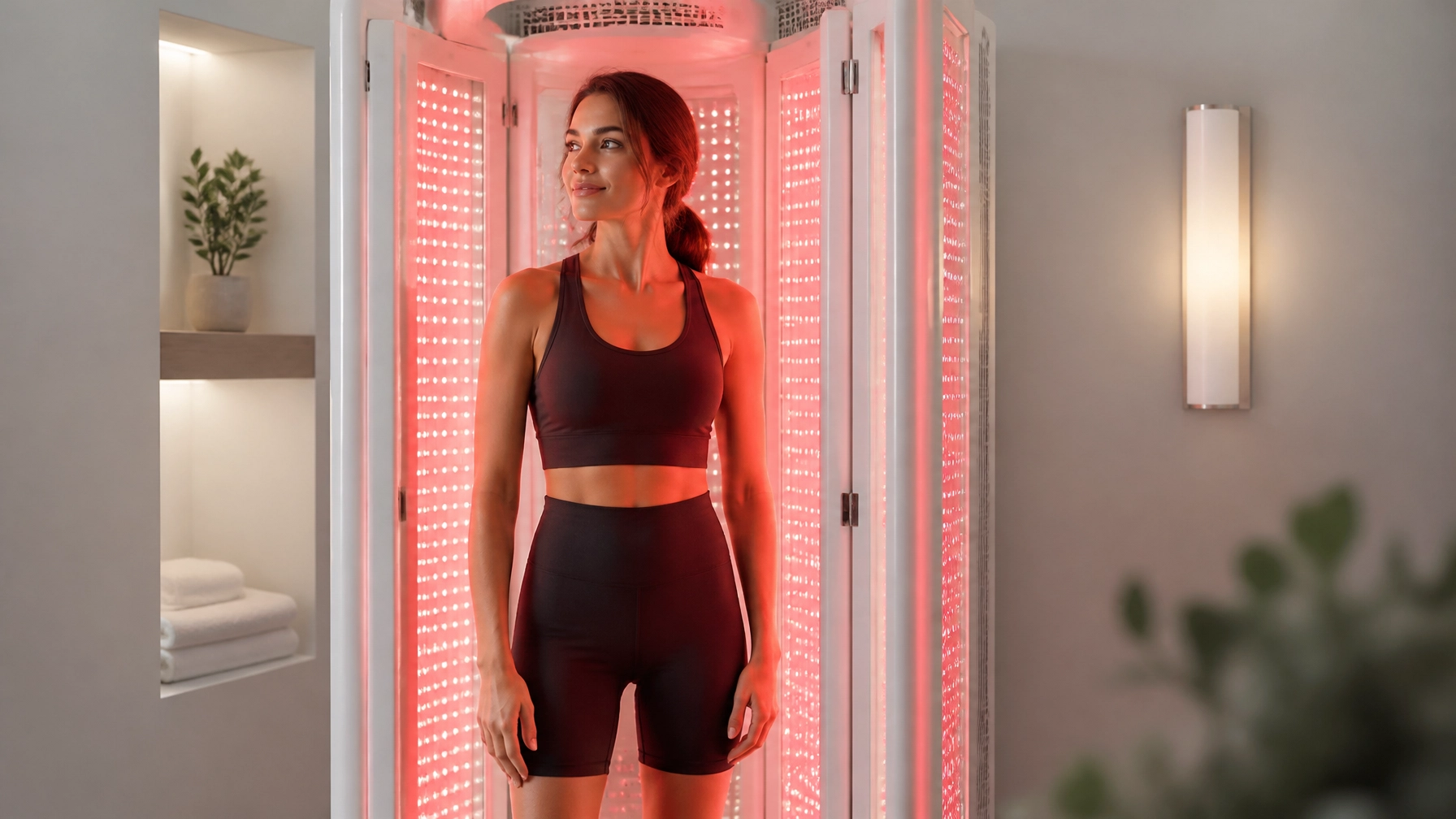
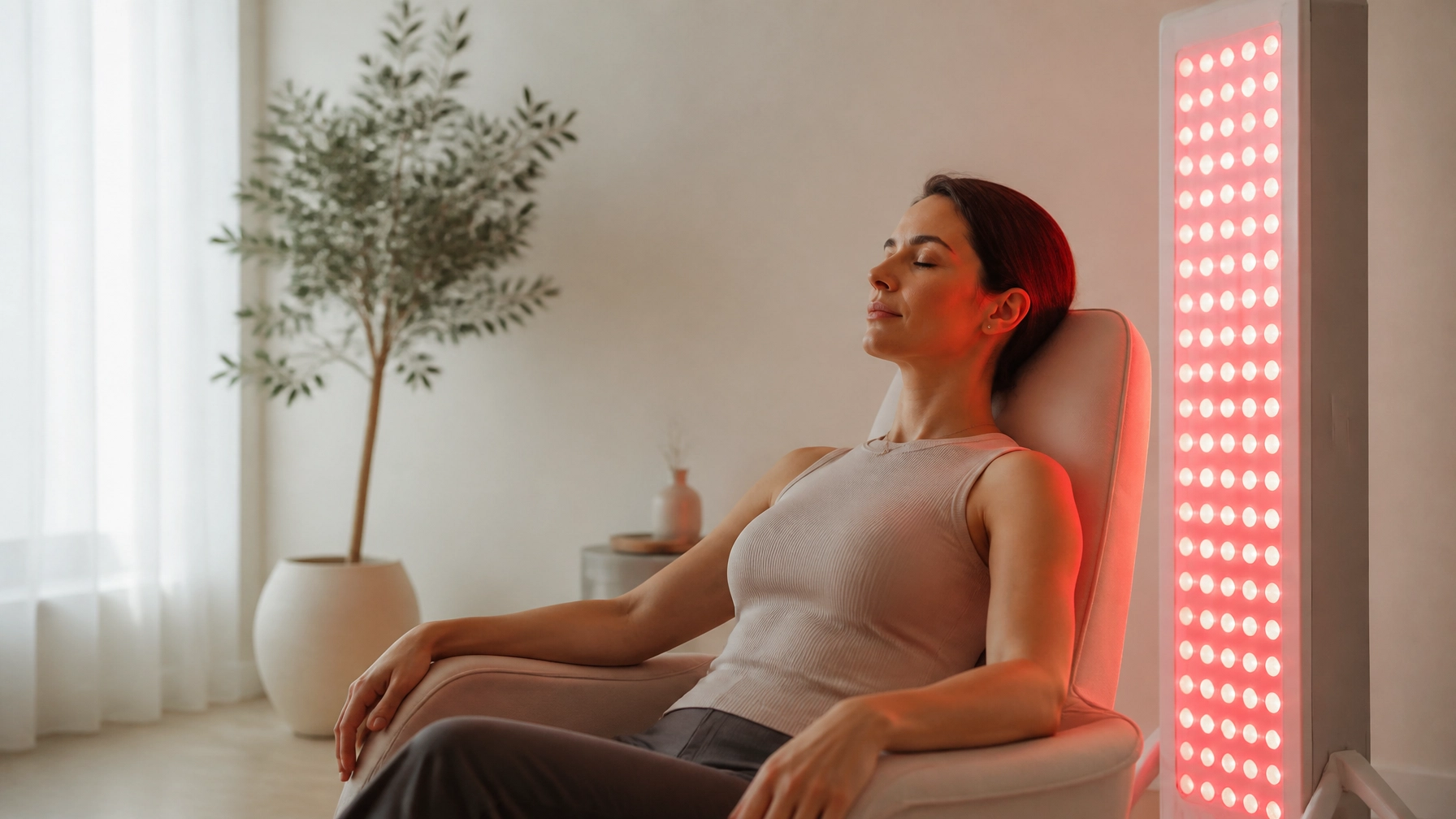
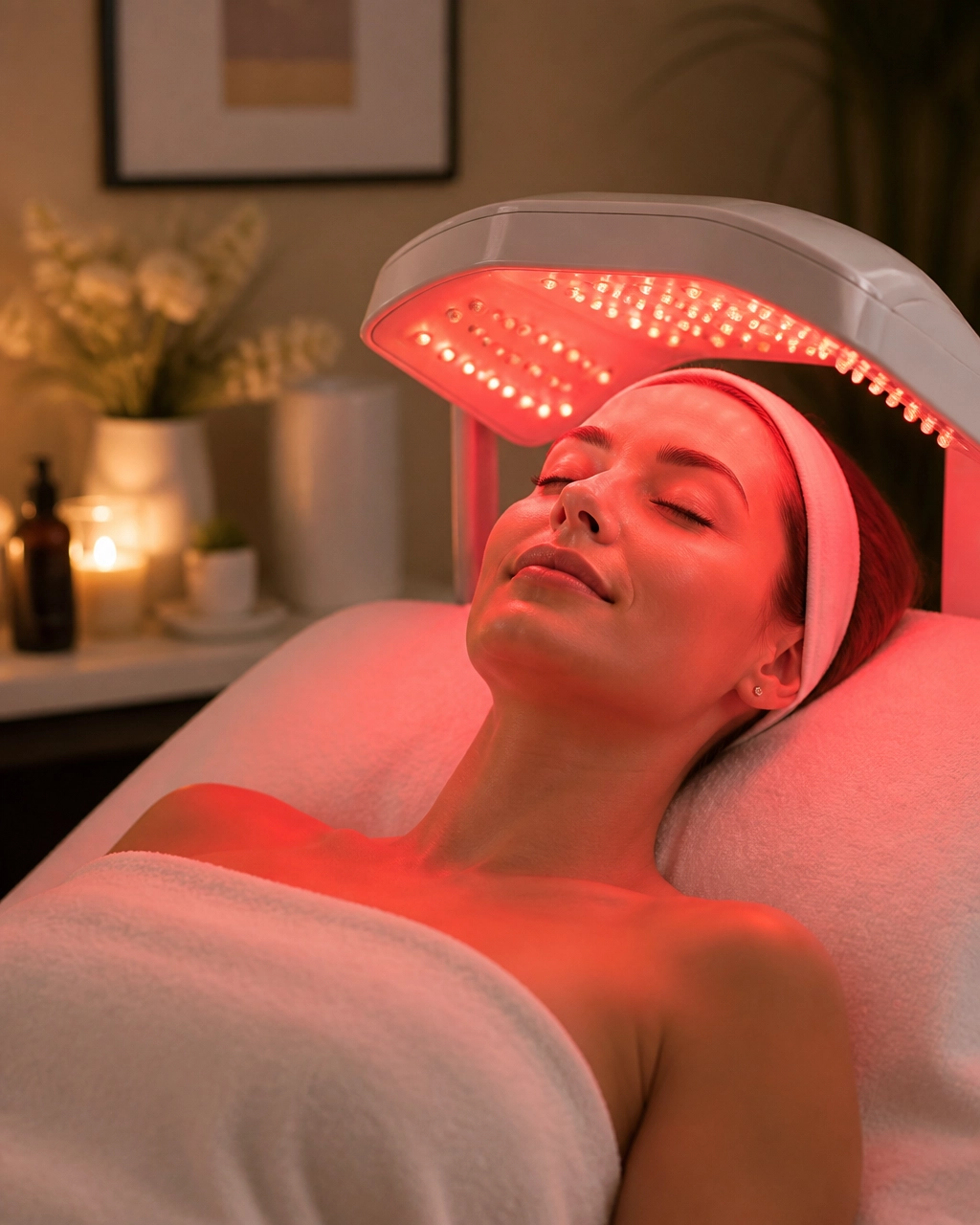
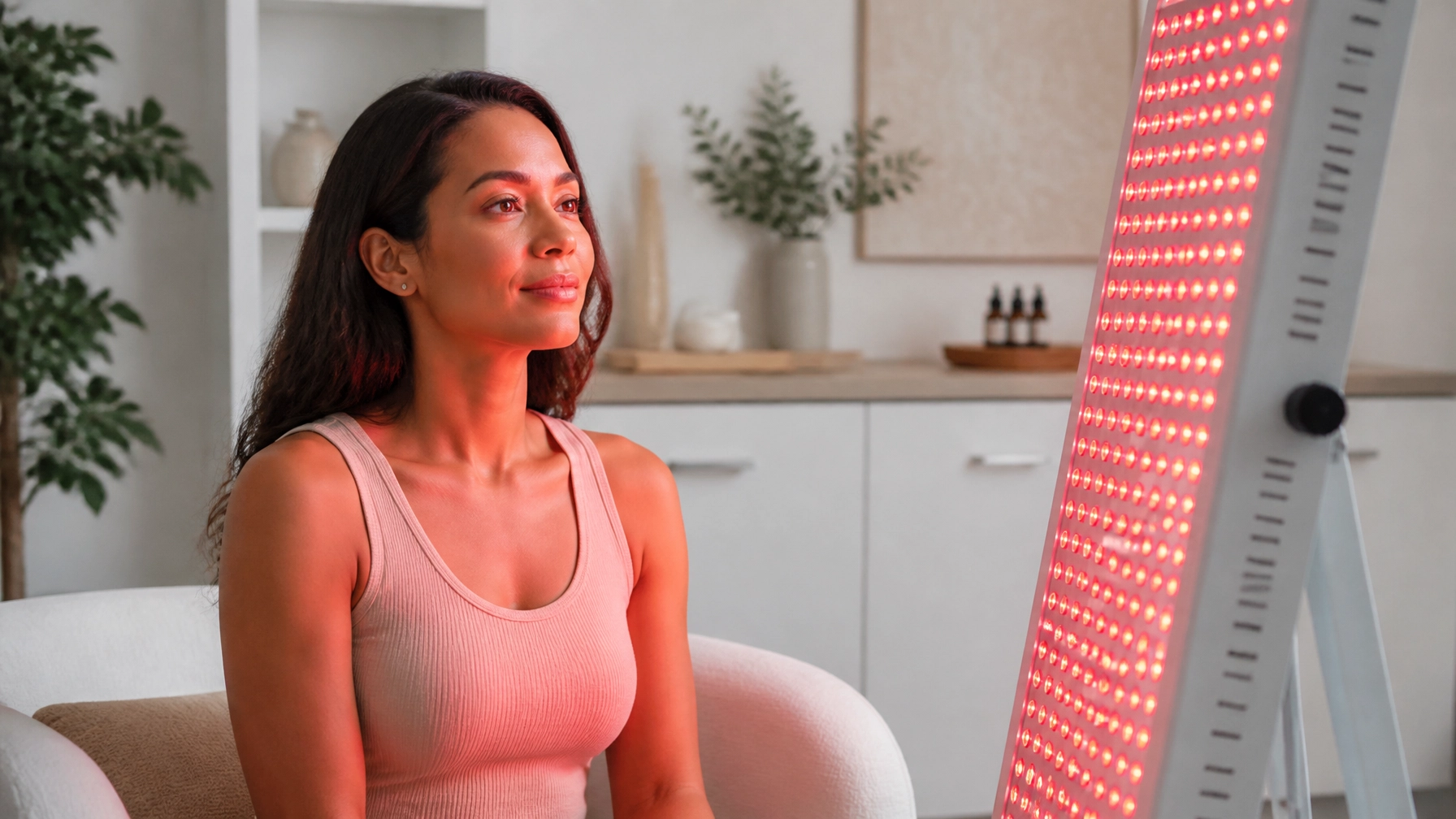
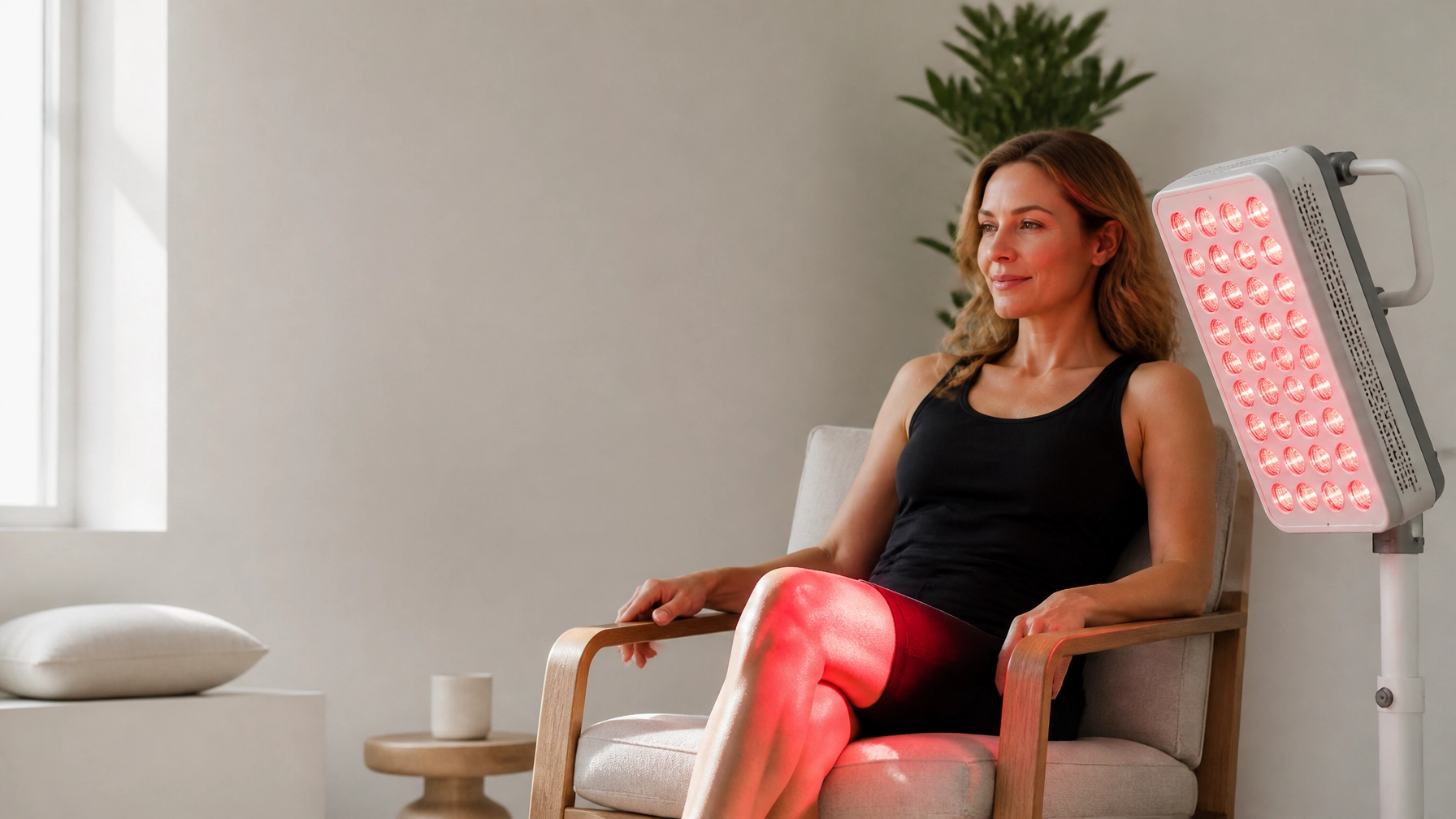
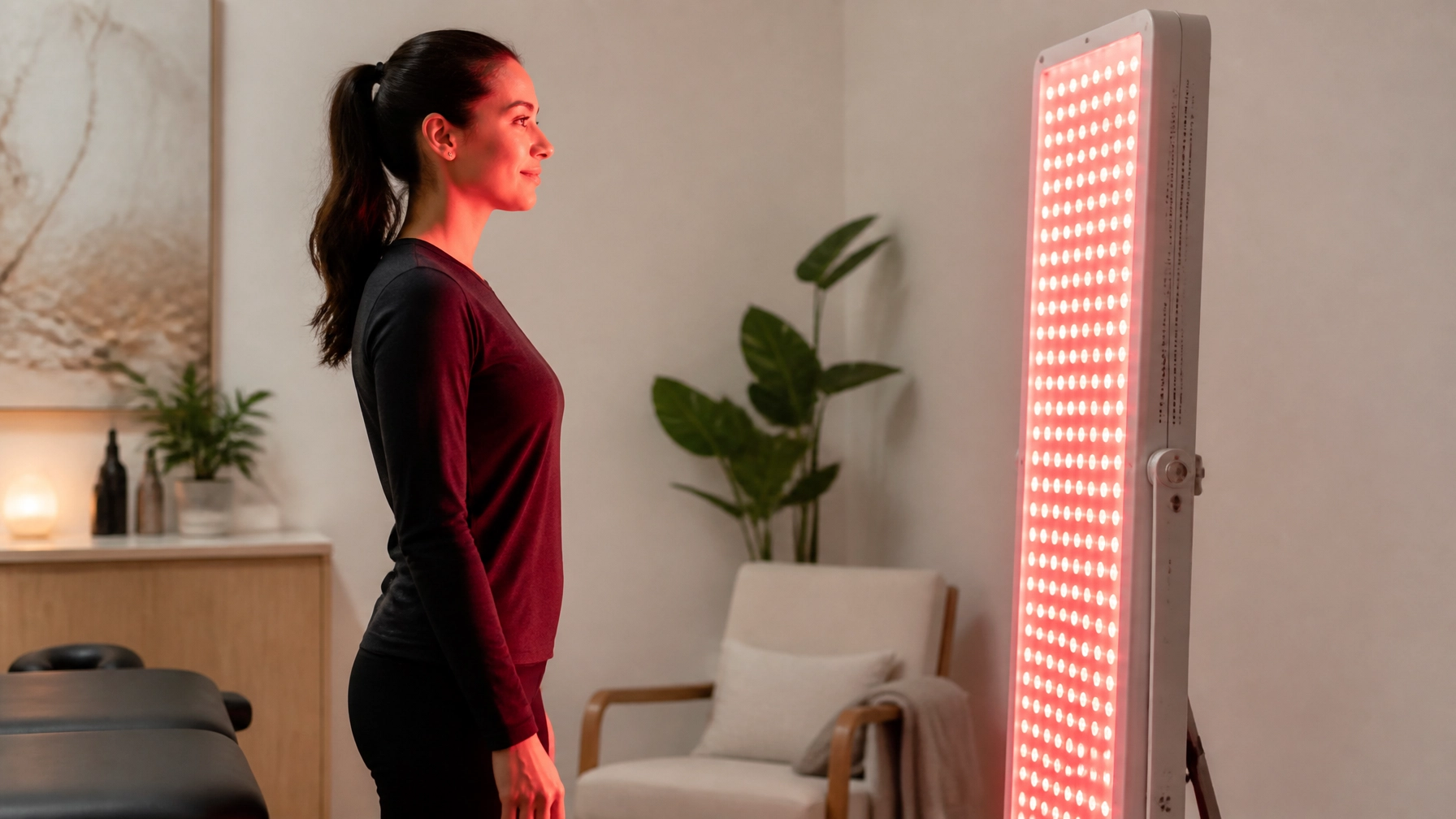
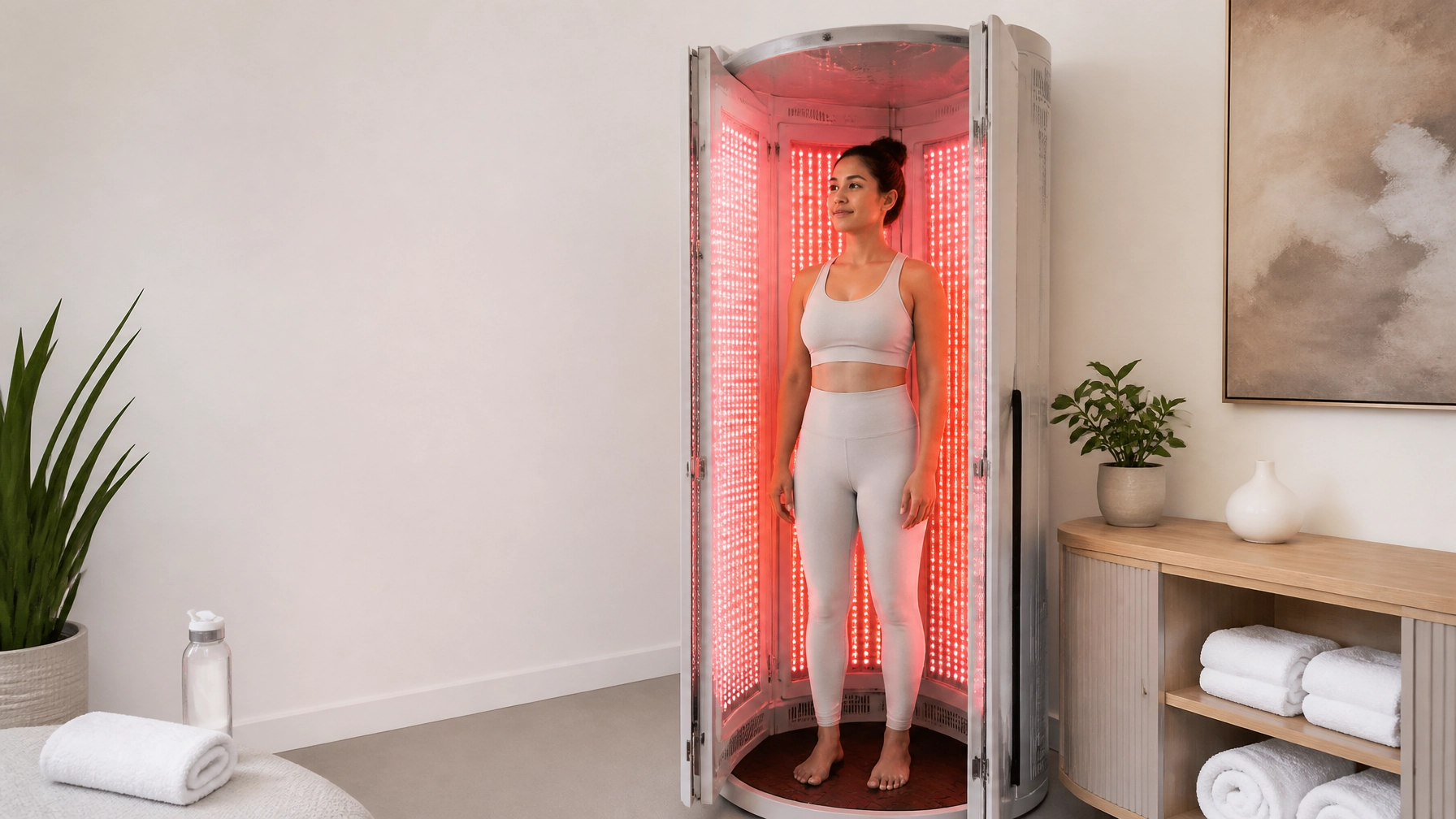
    A typical session is incredibly relaxing. You aren't being poked or prodded. Instead, you simply relax in our specialized red light system. Most clients describe the feeling as a gentle, soothing warmth: similar to lying in a patch of sunlight but without the harmful UV rays.

    • Duration: Most sessions last between 10 to 20 minutes.
    • Feel: No pain, no needles, and no "zapping." It’s a moment of calm in a busy day.
    • Downtime: Zero. You can put your makeup on or go straight to a workout immediately after.

    Because it’s non-invasive, it’s a perfect "lunch break" treatment for busy Edmontonians who want results without the recovery.

    Is This Treatment Right for You?

    One of the best things about light-based rejuvenation is its versatility. Because it doesn't rely on harsh chemicals or heat, it is generally safe for all skin types and tones.

    It’s a great fit if you are looking to:

    • Softened the appearance of fine lines around the eyes and mouth.
    • Improve overall skin brightness and "glow."
    • Reduce the redness associated with inflammation or mild rosacea.
    • Support the skin's recovery after more aggressive treatments like peels or microneedling.

    Who should skip it?
    While RLT is very safe, we always recommend consulting with a professional if you are pregnant, have a history of photosensitivity, or are taking medications that make you sensitive to light (like certain acne treatments).

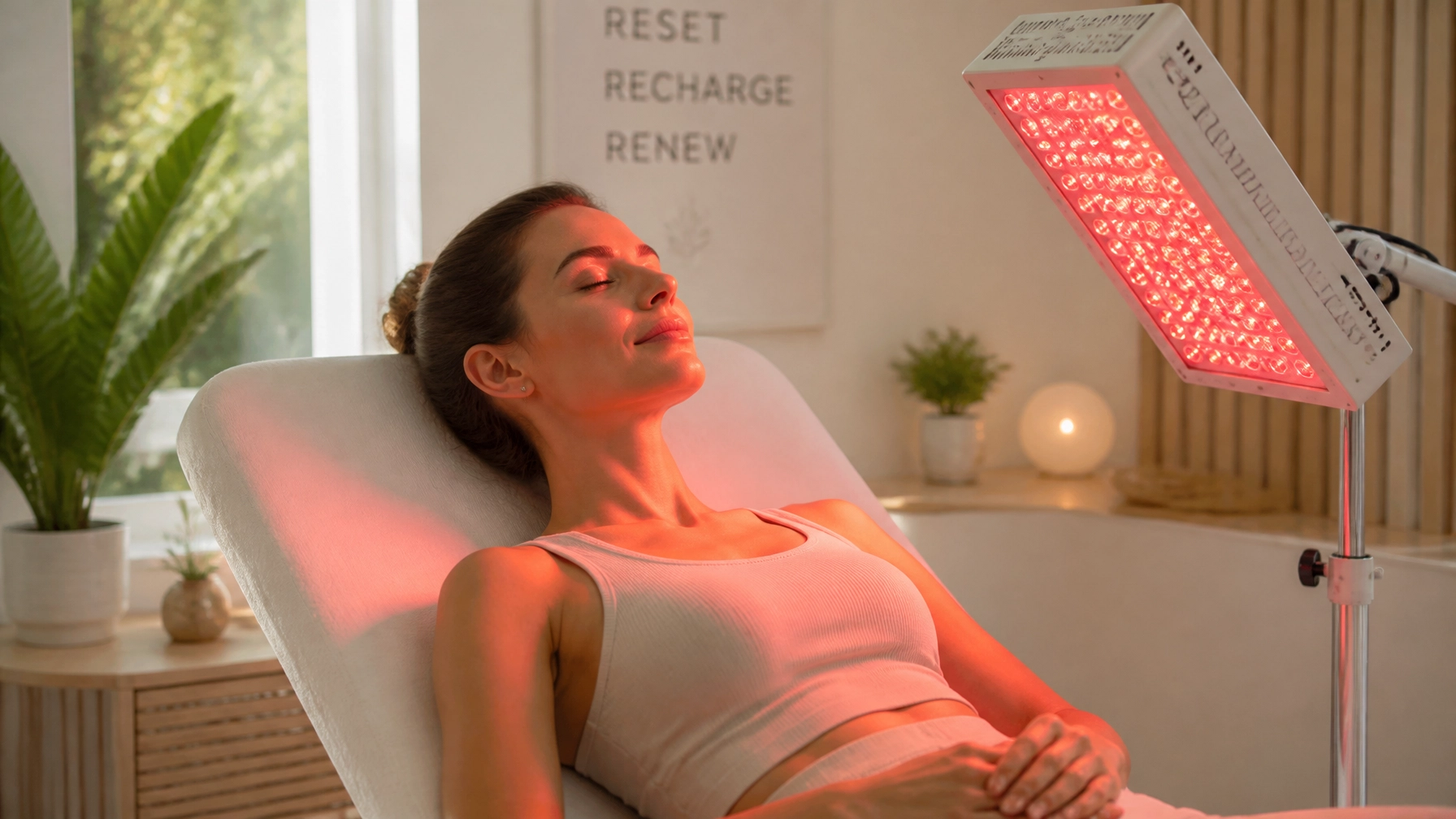
    A person relaxing in a modern, professional red light therapy session

    Results: The "Slow and Steady" Approach

    We like to be transparent with our clients: skin rejuvenation is a journey, not a sprint. While some people notice a "glow" after just one or two sessions due to increased circulation, true collagen remodeling takes time.

    Your skin cells need a few weeks to produce and weave those new collagen fibers. Most people see the best results after a series of 8 to 12 sessions, spaced out over a month or two. This "cumulative" effect is what builds the long-term resilience of the skin.

    Maintaining your results is also about lifestyle. Staying hydrated (especially in our dry Alberta climate!), wearing sunscreen daily, and nourishing your body from the inside out will help those new collagen fibers stay strong.

    Your Path to Healthier Skin

    Mastering collagen stimulation doesn't have to mean drastic measures. By choosing treatments that support your body’s natural biology, you can achieve a refreshed, healthy look that feels like you.

    If you’re curious about how Red Light Therapy can fit into your wellness routine, we invite you to explore our sessions or simply stop by to see the space. We’re here to make skin health simple, science-backed, and accessible right here in Edmonton.

    A serene and minimalist wellness studio space in Edmonton

  • Do You Really Need Red Light Therapy Every Day? Here’s the Truth

    Do You Really Need Red Light Therapy Every Day? Here’s the Truth

    If you’ve been looking into wellness trends in Edmonton lately, you’ve likely come across red light therapy (RLT). It’s everywhere, from professional clinics to home devices. The promises are tempting: faster muscle recovery, glowing skin, and even help with those stubborn "problem areas" that won’t budge with diet alone.

    But as with anything that works well, a natural question follows: “If 15 minutes is good, is 60 minutes better? Do I need to do this every single day?”

    The answer isn't a simple yes or no. In the world of light therapy, there is a "sweet spot" where your body responds best. Here is the truth about how often you should really be stepping into the red light.

    How Does Red Light Therapy Actually Work?

    Before we talk about frequency, it helps to understand what’s happening at a cellular level. Red light therapy, also known as photobiomodulation, uses specific wavelengths of red and near-infrared light.

    When these light waves penetrate your skin, they are absorbed by the mitochondria, the "powerhouses" of your cells. This stimulates the production of adenosine triphosphate (ATP), which is essentially cellular energy. When your cells have more energy, they can repair themselves faster, reduce inflammation, and produce more collagen.

    Whether you are visiting us at Wave Therapy for body contouring or looking to soothe joint pain, the goal is always the same: giving your cells the fuel they need to function at their best.

    Can You Use Red Light Therapy Every Day?

    The short answer is yes, you can, but you don't necessarily need to.

    Most clinical studies and professional protocols suggest that consistency is far more important than daily intensity. According to research published in Photomedicine and Laser Surgery, measurable improvements in skin tone and collagen density were seen in patients treated just twice a week over a period of several weeks.

    For general wellness and skin health, 3 to 5 sessions per week is often the "gold standard." Using it every day is generally safe for most people, but your body also needs time to process the cellular changes the light triggers. Think of it like exercise: you work out to stimulate the muscle, but the growth happens while you rest.

    Close-up of healthy, glowing skin symbolizing the benefits of collagen stimulation from red light therapy.

    The "Sweet Spot": Finding Your Frequency

    The right frequency depends entirely on your goals. Here’s a quick breakdown of common schedules:

    • For Skin Rejuvenation & Anti-Aging: 3–5 times per week. This allows the skin to consistently build collagen without being "over-stimulated."
    • For Muscle Recovery: 3–4 times per week, or specifically after heavy workouts. Many athletes use it daily during intense training blocks to keep inflammation down.
    • For Chronic Pain or Inflammation: Daily use (or 5 days on, 2 days off) is often recommended initially to get ahead of the pain, eventually tapering down to a maintenance schedule.
    • For Fat Reduction & Contouring: At Wave Therapy, we typically see the best results with a focused series of sessions: often 2 to 3 times per week: to allow the body to naturally metabolize and eliminate the fat released during the treatment.

    Why More Isn't Always Better (The Biphasic Dose Response)

    In the science of light therapy, there is a concept called the Biphasic Dose Response. In plain English, this means there is a "U-shaped" curve to the benefits.

    • Too little light: You won’t see much of a change.
    • The right amount: Your cells are energized and repair themselves (the "sweet spot").
    • Too much light: The benefits can actually start to diminish or plateau.

    If you spend too long under the lights or use high-powered panels too many times a day, your cells can become "overloaded," and the therapy becomes less effective. This is why we usually recommend sessions lasting between 10 to 20 minutes. It's about quality, not just quantity. You can read more about the safety and general guidelines of RLT on Healthline.

    A bright and airy wellness clinic reception area in Edmonton.

    What to Expect During a Session

    If you’re new to this, the experience is quite simple. At our Edmonton location, sessions are designed to be a peaceful break in your day.

    1. Preparation: You’ll be in a private, comfortable room. For the light to work, it needs to be in direct contact with your skin (no heavy clothing).
    2. The Feeling: You’ll feel a very gentle, relaxing warmth. It isn't hot like a sauna or a tanning bed; it's a soothing sensation that many of our clients find so relaxing they fall asleep.
    3. The Duration: Most sessions at Wave Therapy are quick: around 20 to 30 minutes: making them easy to fit into a lunch break.
    4. No Downtime: You can go right back to work or your daily routine immediately. There is no redness (other than a healthy temporary glow) and no recovery time needed.

    A healthy person walking outdoors, reflecting the energy and recovery benefits of regular red light sessions.

    Who Should (and Shouldn’t) Use It?

    While red light therapy is FDA-approved and non-invasive, it isn't for everyone.

    It’s great for:

    • Health-conscious individuals looking for natural anti-aging.
    • People dealing with nagging joint pain or "brain fog."
    • Anyone looking for a non-surgical way to support fat loss.

    You should consult a doctor first if:

    • You are pregnant (mostly as a precaution, as studies are limited).
    • You have active skin cancer or undiagnosed lesions.
    • You are taking medications that make you photosensitive (like certain acne treatments or antibiotics).

    Practical Takeaways for Your Routine

    If you’re ready to start, here is how to get the most out of your sessions:

    • Be Consistent: One session won’t change your life. Think of it like a skincare routine: it works best when it's a habit.
    • Hydrate: Especially if you are using RLT for fat loss or body contouring, drinking plenty of water helps your lymphatic system flush out the released fats and toxins.
    • Track Your Progress: Take "before" photos or keep a pain journal. Often, the changes are subtle at first but significant over 4 to 8 weeks.
    • Don't Rush It: If you miss a day, don't try to "double up" the next day. Just get back to your regular schedule.

    Detail shot of a professional red light therapy device showing the LED technology.

    The Bottom Line

    You don’t need red light therapy every single day to see incredible results. For most Edmontonians looking to feel better and improve their skin, 3 sessions a week is a fantastic rhythm. By giving your body the right "dose" of light and the time to respond to it, you’ll see much better long-term results than by trying to rush the process.

    If you’re curious about how this could work for your specific goals: whether that’s fitting back into your favorite jeans or finally getting some relief from joint stiffness: we’re here to help.

    Explore our sessions or book a visit when you're ready to see what a little extra cellular energy can do for you.

  • Why Edmontonians are Turning to Red Light Therapy

    In a city like Edmonton, our bodies go through a lot. Our summers are packed with activity, running the stairs at Wolf Willow, biking the trails, or gardening, and our winters require us to navigate icy sidewalks and heavy shovelling.

    When joint pain strikes, it doesn’t just hurt; it stops us from doing what we love.

    Many people turn to red light therapy because they are looking for a non-invasive, drug-free alternative. While cortisone shots and pain medications have their place, they often come with side effects or only provide temporary relief. RLT offers a way to support the body’s natural healing mechanisms without adding a chemical burden to your system.

    Maximizing Your Results: Pro Tips for Beginners

    To get the most out of your joint pain relief journey, consider these practical steps:

    1. Stay Hydrated: Your cells need water to process the energy boost they get from the light. Drink a glass of water before and after your session.
    2. Consistency is Key: Think of RLT like going to the gym. A single workout is great, but the real transformation happens over a month of consistent effort.
    3. Move Gently: After a session, your joints might feel more "fluid." This is a great time for gentle stretching or a light walk to encourage that fresh blood flow to stay active in the joint.
    4. Track Your Progress: Keep a simple log. On a scale of 1-10, how stiff are you today? You’ll be surprised how much those numbers change after a few weeks.

    Common Questions About Red Light and Joint Pain

    Q: Can I use red light therapy if I have a metal implant (like a knee replacement)?
    A: Yes! Because red light therapy doesn’t use heat or deep-penetrating radio waves, it is generally considered safe for those with metal implants. However, we always recommend a quick chat with your surgeon or doctor first.

    Q: Is it the same as a sauna?
    A: No. While infrared saunas use heat to detoxify the body and relax muscles, red light therapy is "cold" light. It doesn’t rely on sweating; it relies on the specific interaction between light photons and your cellular mitochondria.

    Q: Can I overdo it?
    A: Interestingly, yes. There is something called the "biphasic dose response." Essentially, there is a "sweet spot" for light therapy. If you do too much for too long, the benefits can actually level off. Stick to the recommended session times: usually 10-20 minutes: for the best results.

    Ready to Move Better?

    Joint pain shouldn't be your "new normal." Whether you’re looking to get back on the ice, enjoy a stroll through the river valley, or simply wake up without stiffness, red light therapy offers a gentle, science-backed path forward.

    If you’re in the Edmonton area and ready to see what light can do for your joints, we’re here to help. You don't have to commit to a long-term plan right away: just come in, feel the warmth, and see how your body responds.

    Explore our sessions or book your visit when you're ready.

    Your joints will thank you.


  • Is Red Light Therapy Bad for Your Eyes? The Truth Behind the Goggles

    Is Red Light Therapy Bad for Your Eyes? The Truth Behind the Goggles

    If you’ve ever stepped into a wellness studio or unboxed a home red light device, your first instinct was likely to squint. It’s bright, really bright. And naturally, that triggers a protective response. We’ve spent years being told to "never look directly into a laser" or "wear sunglasses in the sun," so when we see deep crimson LEDs, we have to ask: Is red light therapy bad for your eyes?

    The short answer is no, red light therapy is generally not bad for your eyes when used correctly. In fact, emerging science suggests it might actually be quite the opposite. However, like anything in the world of wellness, the "how" matters just as much as the "what."

    At Wave Therapy here in Edmonton, we get this question all the time. Whether you’re coming in for muscle recovery or skin rejuvenation, eye safety is a top priority. Let’s pull back the curtain on the science of light, the role of those little black goggles, and what the research actually says about your vision.

    How Red Light Therapy Actually Works

    To understand eye safety, we have to understand what red light therapy (RLT) actually is. It’s not a "laser" in the way we think of high-powered surgical lasers that cut through tissue. Instead, RLT uses low-level light-emitting diodes (LEDs) to deliver specific wavelengths of light, typically between 630 to 670 nanometers (nm) for red light and 810 to 850 nm for near-infrared light.

    These wavelengths are part of the natural spectrum of sunlight, but without the harmful UV rays that cause sunburns and cataracts. When these photons hit your cells, they interact with the mitochondria (the powerhouses of your cells) to produce more ATP (energy). This process, called photobiomodulation, is what triggers the healing, anti-inflammatory, and collagen-boosting benefits we love.

    A close-up of high-quality LED red light panels emitting a soft, deep red glow.

    The Big Question: Is it Bad for Your Eyes?

    The fear surrounding red light and eye damage usually comes from a misunderstanding of intensity. If you stare at a high-intensity industrial laser, you will damage your retina. But LEDs used in therapy are diffused.

    Research published in the National Library of Medicine indicates that light therapy is generally safe for the eyes of healthy individuals. Most clinical trials involving red and near-infrared light have reported no evidence of structural damage to the eyes. In many cases, participants in these studies didn’t even wear goggles, they simply kept their eyes closed.

    That said, "safe" doesn't mean "ignore the rules." The safety of RLT for your eyes depends on three main factors:

    1. Intensity: Medical-grade panels are much stronger than a cheap beauty wand from a random online marketplace.
    2. Distance: The closer you are to the light source, the more intense the exposure.
    3. Wavelength: Red light (visible) is different from near-infrared (invisible). Because you can't "see" near-infrared, your blink reflex won't kick in, which is why proper guidance is essential.

    Why We Use Goggles: Comfort vs. Safety

    If the research says it’s generally safe, why do we provide goggles at Wave Therapy?

    The primary reason for goggles is comfort. Even if the light isn’t damaging your retina, looking at a bright red panel is similar to looking at the sun, it’s uncomfortable and can cause temporary "after-images" or glare. If you’re trying to relax during a session, the last thing you want is to be squinting against a bright glow.

    A person wearing specialized protective black goggles during a red light session, looking relaxed.

    Goggles also provide a "fail-safe." While low-level light is safe, we don't always know the specific history of every client's eye health. For individuals with certain conditions, like light-induced migraines or those taking photosensitizing medications, the goggles are a necessary layer of protection.

    The Surprising Flip Side: Can Red Light Benefit Your Eyes?

    While we often worry about damage, some of the most exciting research in the wellness world is actually about using red light to improve vision.

    As we age, the mitochondria in our retinas begin to decline. Since the retina is one of the most energy-demanding tissues in the body, this decline leads to age-related vision loss. A landmark study from University College London found that a few minutes of exposure to deep red light (670nm) in the morning could significantly improve vision in people over 40.

    According to Healthline, red light therapy is being studied as a potential treatment for:

    • Age-related Macular Degeneration (AMD): Helping to protect retinal cells from further decay.
    • Glaucoma: Reducing pressure and protecting the optic nerve.
    • Myopia (Nearsightedness): Especially in children, where specific red light treatments are showing promise in slowing the progression of vision loss.

    Note: You should never attempt to treat an eye condition yourself using a general-purpose red light panel. These benefits were found using very specific, low-intensity protocols under medical supervision.

    Best Practices for Eye Safety

    If you’re using red light therapy at home or visiting us in Edmonton, here are the gold-standard rules for keeping your peepers protected:

    • Close Your Eyes: Even with goggles, keeping your eyes closed is the simplest way to add a layer of protection.
    • Wear the Goggles: If the device is bright enough to be distracting, put the goggles on. They are designed to block the specific wavelengths that cause glare.
    • Don't Stare Directly: Treat the LEDs like the sun. You don't need to look at them to get the benefits; the light will reach your skin and tissues just fine while you look away or keep your eyes shut.
    • Morning is Best: Some studies suggest that the eyes are more receptive to red light in the morning, and it may even help regulate your circadian rhythm.
    • Check Your Meds: Some medications (like certain antibiotics or acne treatments) can make your eyes and skin more sensitive to light. If you're unsure, check with your doctor first.

    A serene portrait of a person with clear, healthy skin, reflecting a calm wellness aesthetic.

    What to Expect at Wave Therapy Edmonton

    When you walk into Wave Therapy, we want you to feel completely at ease. Our systems are professional-grade, and we provide a controlled, calm environment.

    During your first session, we’ll talk you through the equipment. We offer high-quality eye protection for every client, and our team is always here to answer questions about intensity and distance. Whether you’re here for full-body recovery or a targeted skin session, we ensure the experience is as soothing as it is effective.

    We believe wellness shouldn't be stressful. You shouldn't have to wonder if you're doing it "right" or if you're safe. By following the science and using the right equipment, red light therapy becomes a powerful tool in your health arsenal, not a cause for concern.

    Practical Takeaways

    • Is it safe? Yes, for most people, red light LEDs are non-damaging to the eyes.
    • Do I need goggles? Recommended for comfort and as a precaution, especially with high-intensity panels.
    • Can it help vision? Early research is very positive, particularly for age-related decline, but don't DIY eye treatments.
    • The Edmonton Standard: At Wave Therapy, we prioritize safety, providing goggles and guided sessions to ensure you get the best results without the worry.

    If you’re ready to see (pun intended) what red light therapy can do for your energy levels, skin, and recovery, we’re here to help. You don’t need to be a scientist to get the benefits: you just need to show up and relax.

    Explore our sessions or read more about our technology when you're ready to start your journey.

  • 10 Reasons Your Red Light Therapy Isn’t Working (And How to Fix It)

    10 Reasons Your Red Light Therapy Isn’t Working (And How to Fix It)

    So, you finally took the plunge. Maybe you visited us at Wave Therapy in Edmonton, or perhaps you invested in a device for your home. You’ve heard the buzz about how red light therapy (RLT) can do everything from erasing fine lines to soothing that stubborn lower back pain. You’ve been standing in front of those glowing red LEDs, waiting for the magic to happen.

    But after a week or two, you’re looking in the mirror or checking your recovery stats and thinking, “Is this even doing anything?”

    Don’t pack up the panel just yet. Red light therapy is backed by a massive body of scientific research, but it isn’t a magic wand. It’s a biological trigger. If you aren't seeing results, it’s rarely because the technology doesn't work: it’s usually because of a small tweak needed in your routine.

    As a local Edmonton brand, we’ve helped hundreds of people navigate the "biohacking" world. We’ve seen the common pitfalls and the "aha!" moments. Here are the top 10 reasons your red light therapy might be stalling, and exactly how you can fix it to start seeing the results you deserve.

    1. You Aren’t Being Consistent Enough

    The number one reason red light therapy “fails” is the same reason most gym memberships do: lack of consistency.

    Red light therapy works through a process called photobiomodulation. It essentially "charges" the batteries of your cells (the mitochondria). Just like you can’t charge your phone for five minutes and expect it to last all day, you can’t use RLT once a week and expect long-term biological changes.

    The Fix: Think of RLT like a supplement, not a surgery. Aim for 3 to 5 sessions per week. Most of our clients at Wave Therapy see the best results when they make it a part of their daily ritual: whether that’s during a morning meditation or a post-workout cool-down.

    2. You’re Using the Wrong Wavelengths

    Not all red lights are created equal. That "red light" bulb you bought at the hardware store? It’s just a red-tinted lightbulb. It creates heat, but it doesn't have the specific wavelengths required to penetrate the skin and trigger cellular repair.

    Effective red light therapy requires very specific wavelengths:

    • 630–660 nm (Red Light): Ideal for skin health, surface-level wound healing, and hair growth.
    • 810–850 nm (Near-Infrared Light): These invisible waves penetrate deeper into muscles, joints, and even bone.

    The Fix: Check your device specs. If it doesn't explicitly list these wavelengths, it might just be a fancy lamp. At Wave Therapy, we use professional-grade systems that deliver both red and near-infrared light simultaneously to ensure every layer of tissue is reached.

    Close-up of high-quality red light therapy LEDs showing the deep red and near-infrared spectrum.

    3. The "Distance" Dilemma

    In the world of physics, there’s something called the "Inverse Square Law." In plain English: the further you are from the light source, the weaker the energy becomes.

    If you are standing three feet away from a small panel, the light might look bright, but the actual "irradiance" (the amount of energy hitting your skin) is likely too low to do much. Conversely, if you're too close to a high-powered panel, you might actually be over-stimulating the area, leading to diminishing returns.

    The Fix: For deep tissue or joint pain, stay between 6 and 12 inches from the device. For skin rejuvenation and anti-aging, you can step back to 12–24 inches. Always follow the manufacturer's specific irradiance guides.

    4. You’re Wearing Clothes (or Heavy Skincare)

    Light cannot travel through fabric. Even a thin white t-shirt will block a significant portion of the therapeutic light. Similarly, heavy sunscreens, makeup, or thick lotions can reflect the light away before it hits your cells.

    The Fix: Red light therapy needs to be applied to clean, bare skin. If you’re targeting your face for skin rejuvenation, wash off your makeup first. If you’re treating a sore knee, make sure that knee is exposed. Save the moisturizers and serums for after your session: they actually absorb better when your skin is warm and the circulation is boosted from the light.

    5. Your Sessions are Too Short (or Too Long)

    There is a "sweet spot" for dosage in photobiomodulation. Scientists call this the biphasic dose response. Too little light won't trigger a response, but too much light can actually "max out" the cells, causing the benefits to plateau or even reverse temporarily.

    The Fix: Most effective sessions last between 10 and 20 minutes per treatment area. If you’re doing 2-minute "quickies," you aren't giving your mitochondria enough time to react. If you’re sitting there for an hour, you’re likely just wasting time. Stick to the 10-20 minute window for optimal results.

    A person positioned at the correct distance from a red light therapy panel to ensure optimal energy absorption.

    6. Unrealistic Timelines

    We live in an age of instant gratification, but biology takes time. While some people feel an immediate "glow" or a slight reduction in inflammation after one session, the most significant changes: like collagen production or deep tissue repair: happen on a cellular level over weeks.

    According to research published in Photomedicine and Laser Surgery, significant results in skin texture and joint health usually require a consistent 8 to 12-week window.

    The Fix: Give yourself a 30-day "Commitment Challenge." Don't judge the results until you've completed at least 15–20 sessions.

    7. Using a Low-Power Device

    The market is currently flooded with cheap, handheld "red light" wands and masks. While some are decent, many lack the power (irradiance) to actually penetrate deep enough to make a difference. If the power output is weak, you would need to stand in front of it for hours to get the same dose you'd get in 10 minutes from a professional panel.

    The Fix: Look for the irradiance rating (measured in mW/cm²). A quality device should offer at least 50mW/cm² at a 6-inch distance. This is why many Edmontonians choose professional sessions: our full-body systems provide a level of power that home devices often can't match.

    8. You're Trying to Treat Too Much at Once

    If you have a small panel and you’re trying to treat your face, your back, and your knees all in one session, you might be spreading the "dose" too thin. By moving the light around too much, no single area gets the concentrated energy it needs to actually heal.

    The Fix: Focus. Pick one or two "priority zones" and give them the full 10-minute treatment. Once those areas start feeling better, you can rotate your focus to other parts of the body.

    9. You’re Dehydrated or Sleep Deprived

    Red light therapy works by stimulating your body’s natural healing systems. But if your body is running on "empty": meaning you’re dehydrated, poorly nourished, or chronically sleep-deprived: your cells won't have the raw materials they need to carry out the repairs the light is "ordering" them to do.

    The Fix: Hydrate before and after your sessions. Light therapy can actually be slightly dehydrating as it increases metabolic activity. Ensure you’re supporting your RLT routine with a decent diet and enough rest. As we often say here in Edmonton, you can't out-biohack a bad lifestyle!

    10. You Aren’t Tracking Your Progress

    Sometimes RLT is working, but the changes are so gradual you don't notice them. You might forget how much your shoulder used to ache or how dull your skin looked a month ago.

    The Fix: Take "Before" photos. Use a 1-10 pain scale to track your discomfort. When you have objective data, you’ll likely realize that you’ve made much more progress than you thought.

    A serene wellness studio environment, highlighting the professional atmosphere where red light therapy is administered.

    Final Thoughts: The Road to Rejuvenation

    Red light therapy is one of the most exciting, non-invasive wellness tools available today. Whether you're a fitness enthusiast looking to bounce back from a grueling workout at the Kinsmen Sports Centre or someone just looking to reclaim their youthful glow, the science is on your side.

    According to Healthline, RLT is a safe and promising treatment for a variety of conditions, provided you use the right equipment and technique.

    If you’ve tried it and felt underwhelmed, try applying these "fixes" for the next three weeks. Most of the time, it’s just a matter of adjusting your distance, cleaning your skin, or staying a little more consistent.

    Ready to see what professional-grade red light therapy can do?
    If you're in the Edmonton area and want to skip the guesswork, we invite you to experience our advanced systems. We take care of the wavelengths, the distance, and the timing so you can just relax and recharge.

    Explore our sessions or book a visit when you're ready to start your journey toward natural healing.


    Practical Takeaways

    • Consistency is Key: Aim for 3–5 sessions a week for at least 4 weeks.
    • Bare is Best: Always treat clean, dry, bare skin.
    • Mind the Gap: Stay 6–12 inches away for deep tissue, and up to 24 inches for skin.
    • Quality Matters: Ensure your device uses 660nm and 850nm wavelengths.

    A person enjoying a relaxed moment in a bright, modern wellness setting in Edmonton.

  • Is Non-Invasive Fat Loss Bad? Your Top Safety Questions Answered

    We’ve all heard the saying: "If it sounds too good to be true, it probably is."

    When people first hear about non-invasive fat loss: specifically red light therapy: that’s usually the first thought that pops into their head. "You mean I can just lie under some lights and lose inches? What’s the catch? Is it dangerous?"

    It’s a fair question. In a world of "miracle cures" and "quick fixes," skepticism is actually a sign of a healthy mind. At Wave Therapy here in Edmonton, we’re big believers in education first. We want you to feel confident in the choices you make for your body.

    So, let’s peel back the curtain. Is non-invasive fat loss "bad" for you? Does it stress out your organs? And how does it even work in the first place?

    What exactly is Non-Invasive Fat Loss?

    When we talk about non-invasive fat loss, we aren’t talking about liposuction or surgery. We’re talking about technology that helps your body do what it already knows how to do: just more efficiently.

    At Wave Therapy, we use Red Light Therapy (also known as Low-Level Laser Therapy or LLLT). Unlike invasive procedures that suck fat out through a tube, red light therapy uses specific wavelengths of light to "talk" to your fat cells.

    It’s a passive, painless process. You lie down, the lights go on, and your body does the rest. But how does that light actually result in fewer inches on your waistline?

    The Science of the "Leaky" Fat Cell

    To understand if it’s safe, you have to understand the mechanism. Your fat cells (adipocytes) aren't just solid lumps of butter; they are storage units for energy.

    When red light at specific wavelengths (typically around 635nm) hits these cells, something fascinating happens. The light stimulates the mitochondria: the power plants of your cells. This stimulation creates a temporary chemical reaction that essentially pokes tiny, microscopic holes (transient pores) in the fat cell membrane.

    Think of it like a balloon that suddenly becomes porous. The stored fat (triglycerides) inside the cell leaks out into the space between your cells. Once the fat is out, the cell doesn't die: it just shrinks, much like a grape turning into a raisin.

    Close-up of healthy, glowing skin under soft, natural lighting, representing the rejuvenation and wellness benefits of light therapy. The image is clean, professional, and reflects an authentic healthy lifestyle.

    Question #1: Is it bad for your liver or kidneys?

    This is the most common safety concern. People wonder: "If all that fat is leaking out into my body, isn't that a huge burden on my liver?"

    It’s a smart question. After the fat is released from the cell, it enters your lymphatic system. From there, it’s transported to the liver, where it is either burned for energy or processed and eliminated.

    According to research, for a healthy person, this is no different than the fat release that happens during a vigorous workout. Your liver is designed to handle lipids. In fact, studies published on PubMed suggest that red light therapy is generally safe and doesn't cause significant spikes in blood cholesterol or liver enzymes.

    Interestingly, losing fat: even through non-invasive means: often improves liver and kidney health over time. Reducing excess body fat can help reverse conditions like fatty liver disease, which is much more dangerous for your organs than a red light therapy session ever could be.

    Question #2: Are there side effects?

    When compared to the risks of liposuction: which include infection, anesthesia complications, and significant bruising: red light therapy’s "side effects" are almost non-existent.

    Most people feel nothing during a session except perhaps a slight, relaxing warmth. Afterward, you might feel a bit more energetic (thanks to that ATP boost in your cells) or you might need to use the restroom more frequently as your lymphatic system clears out the released fat.

    According to WebMD, red light therapy doesn't use UV rays, so there is no risk of skin cancer. The light is "cool" in the sense that it doesn't burn the skin.

    The only real precautions?

    • Eye Safety: You should always wear protective goggles during your session, as the lights are very bright.
    • Hydration: Because your lymphatic system is doing the heavy lifting afterward, drinking plenty of water is essential to help flush the system.

    A person drinking a glass of clear water in a bright, airy kitchen setting. The image emphasizes hydration and holistic wellness, with a clean and natural aesthetic.

    Question #3: "Is it a miracle?" (Spoiler: No)

    We’re a local Edmonton brand, and we value honesty. If someone tells you that you can eat a box of doughnuts every day, sit under some red lights, and become a fitness model, they aren't being truthful.

    Red light therapy is a tool for body contouring, not a substitute for a healthy lifestyle. It’s perfect for those stubborn areas that just won't budge despite your best efforts at the gym. It helps "shrink" those areas, but to keep the fat from being re-stored in other cells, you still need to maintain a healthy diet and stay active.

    At Wave Therapy, we often see the best results when clients use these sessions as a "boost" alongside their existing wellness routines. It’s about working with your body, not against it.

    Who is it for (and who isn't it for)?

    While red light therapy is incredibly safe, it isn't for everyone.

    It’s great for:

    • People looking to reduce inches in specific areas (thighs, waist, arms).
    • Individuals who want to tighten skin and reduce the appearance of cellulite.
    • Anyone looking for a non-surgical, no-downtime alternative to traditional fat loss.

    It might not be for you if:

    • You are pregnant: While there's no evidence it's harmful, most providers avoid it out of an abundance of caution.
    • You have active cancer: We always recommend checking with an oncologist first.
    • You have severe liver or kidney failure: Since these organs process the released fat, they need to be functioning properly.

    What to expect at Wave Therapy

    If you’re curious about trying this out, we make the process as calm and simple as possible. You’ll step into a private, comfortable room. You’ll relax under the red light system for about 20-40 minutes (depending on your goals).

    Most of our clients find it to be a great "me-time" moment: a chance to meditate or listen to a podcast while their cells get to work. Most see visible results within 4 to 8 sessions, though many feel "lighter" and notice skin improvements even sooner.

    A professional and friendly wellness consultant in a modern, brightly lit office, holding a tablet and smiling. The atmosphere is approachable, professional, and reflects the trustworthy environment of Wave Therapy.

    The Verdict

    So, is non-invasive fat loss bad? No. In fact, when done correctly, it’s one of the safest ways to support your body’s natural fat-burning processes. It’s a science-backed, low-risk way to refine your silhouette and boost your confidence without the trauma of surgery.

    If you’ve been struggling with a "problem area" and want to see if this is the right fit for you, we’re here to chat. No pressure, no hype: just real talk about what this technology can (and can't) do for you.

    Interested in seeing how it feels? You can explore our sessions or learn more about our other services like skin rejuvenation to see how we can support your total wellness journey.

    Stay healthy, Edmonton!


  • Is Red Light Therapy Bad? 5 Truths Behind the Internet’s Biggest Questions

    Is Red Light Therapy Bad? 5 Truths Behind the Internet’s Biggest Questions

    If you’ve spent any time on social media lately, you’ve probably seen the glowing red panels. They’re in the bedrooms of biohackers, the recovery rooms of professional athletes, and now, they’re becoming a staple in wellness centers right here in Edmonton.

    Red light therapy (RLT) promises a lot: better skin, faster recovery, and even help with chronic pain. But with any "miracle" treatment comes a wave of healthy skepticism. Is it too good to be true? Is there a hidden catch? Is red light therapy actually bad for you?

    At Wave Therapy, we believe that the best way to approach your health is with high-quality information. We’re going to peel back the curtain and answer the five biggest questions floating around the internet to help you decide if this therapy is a fit for your lifestyle.

    1. Truth: It is Not the Same as a Tanning Bed

    One of the most common fears is that red light therapy is just "tanning by a different name." We all know that ultraviolet (UV) rays from the sun or tanning beds can cause DNA damage, premature aging, and skin cancer.

    However, red light therapy is fundamentally different. While tanning beds use high-frequency UV light, RLT uses low-level wavelengths of red and near-infrared light. According to the Cleveland Clinic, these wavelengths are "non-ionizing," meaning they don’t have enough energy to damage your DNA or cause the kind of cellular mutations associated with UV exposure.

    Instead of burning the skin to trigger a tan, red light penetrates gently into the cells to stimulate the mitochondria (your cell's "powerhouse"). This process, known as photobiomodulation, helps your cells produce more energy, which is why it’s used for healing rather than aesthetic darkening.

    A graphic comparison between harmful UV rays and healing red light wavelengths in a minimalist wellness style.

    2. Truth: More is Not Always Better (The "Dose" Matters)

    In our "more is better" culture, it’s easy to think that if 15 minutes of red light is good, an hour must be amazing. But red light therapy follows what scientists call a "biphasic dose response."

    This essentially means there is a "sweet spot" for efficacy. If you use too little light, you won’t see much of a change. If you use the right amount, you get the maximum benefits for skin rejuvenation and pain relief. But if you overdo it: by staying under the lights for too long or using a device that is too powerful: you can actually "cancel out" the benefits or cause temporary skin irritation.

    This is why professional guidance is so valuable. When you book a session, the equipment is calibrated to provide the precise dose your body needs without crossing into the territory of "too much of a good thing."

    3. Truth: It Won't Give You Skin Cancer

    Because red light therapy is often associated with "light treatments," people naturally worry about cancer.

    The science is reassuring here. As mentioned, red light is non-ionizing. Research published through Healthline and various dermatological studies indicates that red light therapy has not been found to cause skin cancer. In fact, some clinical trials are exploring how red light might even help with the side effects of cancer treatments, such as oral mucositis.

    That said, if you have an active skin cancer lesion or a history of melanoma, it’s always best to chat with your oncologist before starting any light-based therapy. We always prefer the "safety first" approach for our Edmonton community.

    A close-up of a person with healthy, glowing skin, reflecting the rejuvenating effects of red light therapy.

    4. Truth: Your Eyes Need Protection

    Is red light therapy bad for your eyes? The answer is: only if you’re reckless.

    Red and near-infrared lights are incredibly bright. While some studies suggest that specific low-level red light doses might actually help with certain eye conditions, staring directly into a high-powered LED panel is not recommended. It can cause eye strain, headaches, or temporary "spots" in your vision: similar to looking at a bright camera flash.

    In a professional setting, we provide high-quality blackout goggles to ensure your eyes are protected while your skin gets the benefit. If you’re using a device at home, never stare directly into the LEDs. Close your eyes or wear the appropriate safety eyewear.

    Professional protective goggles for light therapy resting on a clean white towel, emphasizing safety.

    5. Truth: It’s Not for Everyone (Know Your Meds)

    While red light therapy is safe for the general population, there are a few groups who should hit the pause button.

    The biggest concern is photosensitivity. Certain medications make your skin much more sensitive to light than usual. These can include:

    • Retinoids (like Accutane or strong anti-aging creams)
    • Certain antibiotics (like Tetracycline)
    • Specific diuretics or NSAIDs

    If you are taking any medication that warns against sun exposure, you should consult your doctor before trying red light therapy. Additionally, those with epilepsy (who may be sensitive to flickering) or people who are pregnant (due to a lack of long-term studies on the fetus) should proceed with caution and medical advice.

    What to Expect During a Session in Edmonton

    If you’ve never tried it before, a red light therapy session feels remarkably… normal. You aren't being "zapped," and you won't feel intense heat like you would in a sauna.

    Most people describe a gentle, pleasant warmth. It’s a quiet 10 to 20 minutes where you can simply breathe and let the light do its work. Many of our clients at Wave Therapy use this time as a "tech-free" break in their busy day. You leave feeling relaxed, not drained.

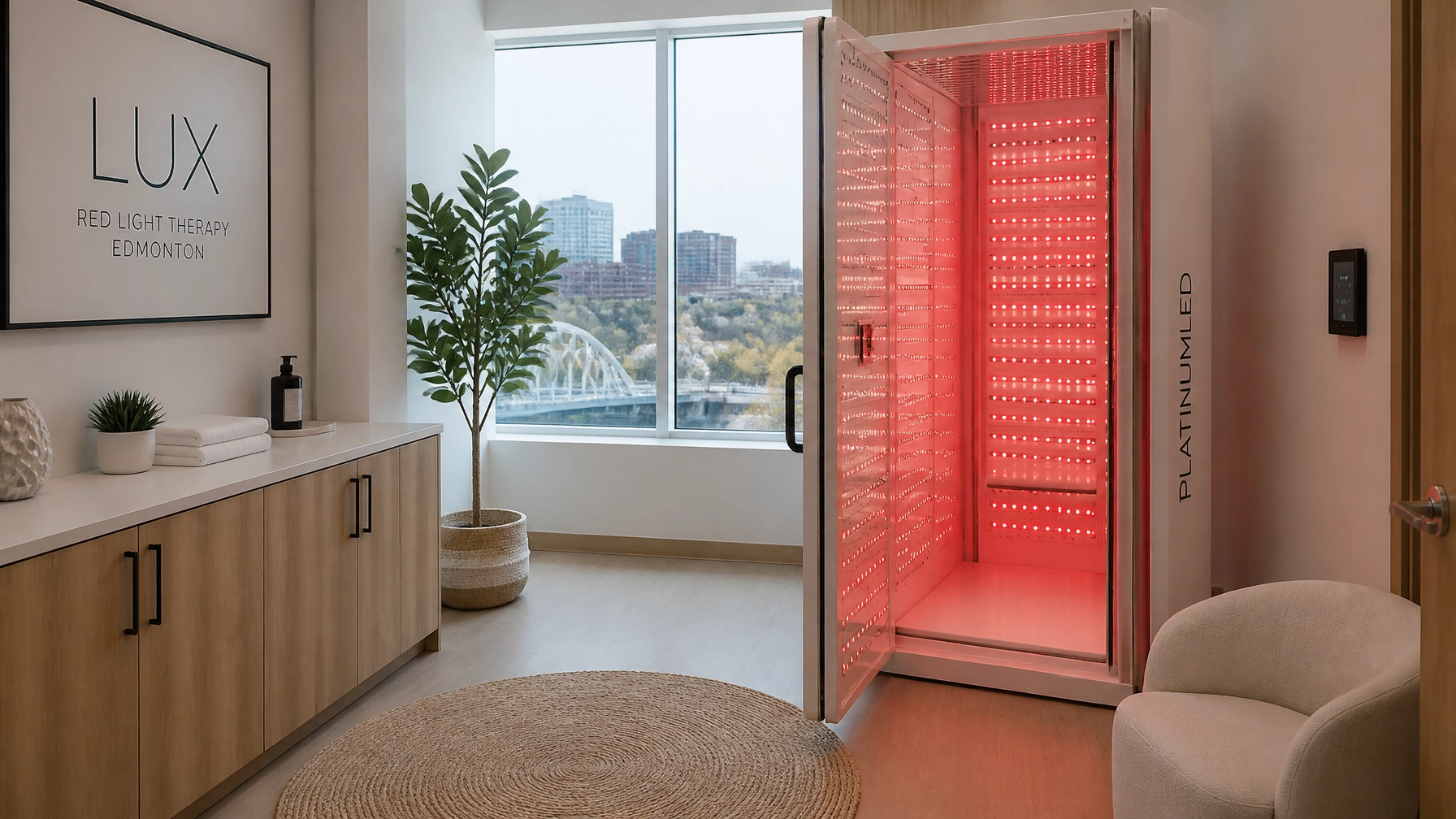
    An inviting wellness studio in Edmonton featuring a high-end red light therapy system and a comfortable treatment bed.

    The Practical Takeaway

    Is red light therapy bad? The overwhelming consensus from the scientific community is no: as long as it’s used correctly. It is a non-invasive, drug-free way to support your body’s natural healing processes.

    To get the best (and safest) results:

    • Don't overdo it: Follow the recommended session times.
    • Protect your eyes: Always use the provided goggles.
    • Check your meds: Ensure you aren't on photosensitizing drugs.
    • Be patient: Like any natural wellness practice, results happen at the cellular level and often take 4–8 sessions to become visible.

    If you’re curious about how red light therapy could help with your specific goals: whether that’s soothing joint pain after a workout at the gym or just giving your skin a little extra love: we’re here to help.

    Explore our sessions or stop by to see how we’re bringing this science-backed wellness to Edmonton.

  • Red Light Therapy 101: A Beginner’s Guide to Mastering Muscle Recovery

    Red Light Therapy 101: A Beginner’s Guide to Mastering Muscle Recovery

    We’ve all been there. You hit a personal best at the gym or finally tackle that long hike in the River Valley, only to wake up the next morning feeling like your muscles have been replaced by lead pipes. This "post-workout shuffle" is a badge of honor for some, but for most of us in Edmonton, it’s just a hurdle between us and our next active day.

    In recent years, a vibrant red glow has been popping up in local wellness circles and professional training facilities alike. It’s called Red Light Therapy (RLT), and while it might look like something out of a sci-fi movie, the science behind it is surprisingly grounded. Whether you’re a high-performance athlete or someone just looking to move with less stiffness, understanding how this light works could be the key to your fastest recovery yet.

    What is Red Light Therapy, Exactly?

    At its core, Red Light Therapy, scientifically known as Photobiomodulation (PBM), is a non-invasive treatment that uses specific wavelengths of light to interact with your body at a cellular level. Unlike the UV rays from the sun that can damage your skin, red and near-infrared (NIR) light are gentle and healing.

    Think of it like photosynthesis for humans. Just as plants absorb sunlight to create energy and grow, our cells can absorb these specific light wavelengths to boost their own internal "batteries."

    At Wave Therapy, we use professional-grade systems that deliver both red light (which helps with the surface layers of the skin) and near-infrared light (which penetrates deeper into the muscles and joints). This dual approach ensures that you aren't just treating the surface, but reaching the core of where muscle fatigue and inflammation live.

    The Science: How Light Becomes Muscle Energy

    A scientific illustration showing red light waves penetrating skin layers to reach the mitochondria within a cell.

    To understand why your hamstrings feel better after a session, we have to look inside your cells. Every cell in your body contains mitochondria, the "powerhouses" responsible for creating energy (ATP).

    When your muscles are overworked, these mitochondria can become sluggish. Red light acts as a catalyst, stimulating a specific enzyme called cytochrome c oxidase. This stimulation helps the mitochondria produce ATP more efficiently.

    More ATP = More Energy for Repair.

    Research published in PubMed has shown that this process can significantly reduce oxidative stress and inflammation in muscle tissue. When inflammation goes down, the recovery clock speeds up. It's not magic; it’s biology being given a helping hand.

    3 Ways Red Light Therapy Masters Muscle Recovery

    If you’re new to this, you might wonder what the actual, tangible benefits are. Here is how RLT changes the game for your post-workout routine:

    1. Goodbye, DOMS (Delayed Onset Muscle Soreness)

    We’ve all experienced that peak soreness that hits 48 hours after a tough workout. Studies have indicated that using red light therapy either before or after exercise can significantly lessen the intensity of DOMS. By reducing the buildup of lactic acid and decreasing markers of muscle damage (like creatine kinase), RLT helps you skip the "I can't walk down the stairs" phase of training.

    2. Reducing Chronic and Acute Inflammation

    Inflammation is a natural part of the healing process, but too much of it for too long leads to pain and stiffness. RLT helps modulate the inflammatory response. This is particularly beneficial for Edmontonians dealing with joint issues aggravated by our cold winters or those recovering from minor sports injuries like sprains or strains.

    3. Boosting Circulation

    Near-infrared light is excellent at promoting local blood flow. Improved circulation means more oxygen and nutrients are being delivered to your tired muscles, while metabolic waste products are carried away faster. It’s like an internal "flush" for your muscular system.

    Who is it For (And Who is it Not For)?

    One of the best things about Red Light Therapy is its accessibility. Because it is non-invasive and drug-free, it fits into almost anyone’s wellness routine.

    • Athletes & Fitness Enthusiasts: If you train 4-5 times a week, RLT can help you maintain that frequency without burnout.
    • Weekend Warriors: If you’re active only on Saturdays and spend Sundays in pain, RLT can bridge that gap.
    • Chronic Pain Sufferers: Those dealing with arthritis or general joint stiffness often find significant relief in regular sessions.
    • The "Busy Professional": If you spend all day at a desk in downtown Edmonton, you might be surprised how much RLT helps with neck and shoulder tension.

    Who should be cautious?
    While Healthline notes that RLT is generally very safe, it’s always best to check with a pro if you are pregnant, have a history of skin cancer, or are taking light-sensitive medications. We always recommend a quick chat with your doctor if you have underlying medical concerns.

    What to Expect During Your Session

    A lifestyle photo of gym gear with a soft red glow, representing a modern recovery routine.

    If you’ve never done it before, walking into a room full of red light can feel a bit like stepping onto a movie set. But the experience itself is incredibly relaxing.

    When you visit us at Wave Therapy, here is the general flow:

    1. Direct Exposure: For the light to be effective, it needs to hit your skin directly. You’ll want to wear loose clothing or athletic gear that allows the target area to be exposed.
    2. The Glow: You’ll stand or sit near the light panels. You won’t feel "heat" like you would in a sauna; instead, you’ll feel a very subtle, gentle warmth.
    3. Short & Sweet: Most sessions last between 10 to 20 minutes. It’s the perfect "mental reset" in the middle of a busy day.
    4. No Downtime: You can head right back to work or even go straight to your workout. There is no recovery time needed for the recovery therapy itself!

    Tips for Beginners: Mastering the Routine

    To get the most out of your sessions, consistency is key. Think of it like going to the gym: one session is great, but five weeks of sessions is life-changing.

    • Aim for 3 sessions a week: For most people starting out, 2-4 sessions per week is the "sweet spot" for seeing cumulative benefits in muscle recovery and skin health.
    • Stay Hydrated: Since RLT boosts cellular metabolism, keeping your hydration levels up helps your body process the "work" your cells are doing.
    • Protect Your Eyes: While the light is safe for skin, it is very bright. We always provide eye protection to keep your vision comfortable during the session.

    Why Edmontonians are Choosing Wave Therapy

    A modern, welcoming wellness boutique interior in Edmonton with neutral tones and a calm atmosphere.

    In a city that stays active year-round: from running the stairs at Wolf Willow in the summer to skating at Hawrelak in the winter: our bodies take a beating. At Wave Therapy, we’re proud to be a local Edmonton brand focused on science-backed, natural wellness.

    We don’t believe in "miracle cures." We believe in giving your body the tools it needs to do what it does best: heal itself. Our studio is designed to be a sanctuary where you can step away from the hustle, stand in the light, and walk out feeling a little lighter.

    Ready to Light Up Your Recovery?

    Muscle recovery shouldn't be a chore. By incorporating Red Light Therapy, you’re not just treating the pain; you’re fueling your body’s natural ability to repair and rejuvenate. Whether you're looking to shave a few seconds off your marathon time or just want to pick up your kids without a wince of back pain, we’re here to help.

    If you’re ready to see what the glow is all about, book a session with us in Edmonton when you’re ready. Your muscles will thank you.


  • Is Infrared Light Therapy Bad for Your Eyes? Here’s the Truth

    If you’ve ever stepped into a room bathed in the deep crimson glow of red light therapy, your first instinct was probably to squint. It’s bright, intensely bright. Naturally, the first question most people in Edmonton ask us at Wave Therapy is: “Is this going to hurt my eyes?”

    It’s a smart question. We’ve been told since childhood never to stare at the sun and to be careful with lasers. So, when you’re standing in front of high-powered medical-grade LEDs, a bit of caution is healthy.

    The short answer? No, infrared and red light therapy are not inherently "bad" for your eyes. In fact, emerging science suggests it might actually be beneficial for ocular health. However, there is a right way and a wrong way to do it.

    In this post, we’re going to look at the science, the safety protocols, and the truth about how your eyes react to these healing wavelengths.

    Understanding the Glow: Red vs. Near-Infrared

    Before we dive into safety, let’s clarify what we’re looking at. Most high-quality systems, including the ones we use at Wave Therapy, utilize two specific ranges:

    1. Red Light (Visible): This is the bright red glow you see. It typically falls in the 630–660nm range and is mostly absorbed by the skin’s surface to boost collagen and healing.
    2. Near-Infrared Light (Invisible): This light falls in the 800–850nm range. You can’t actually "see" it, but you can feel it as a gentle, deep-penetrating warmth. This is the light that reaches your muscles, joints, and even your retina.

    Because near-infrared (NIR) is invisible, your blink reflex might not kick in the same way it does with bright visible light. This is why understanding safety is so important.

    The Surprising Science: Can Light Therapy Help Your Eyes?

    Most people are surprised to learn that researchers are actually studying red light therapy as a treatment for eye conditions.

    A landmark study by University College London (Jeffery Protocol) found that brief exposure to 670nm red light in the morning could significantly improve "color contrast sensitivity" in people over 40. As we age, the mitochondria (the powerhouses of our cells) in our retinas begin to decline. Red light therapy essentially "recharges" these batteries.

    Furthermore, the Valeda Light Delivery System is currently the first and only FDA-cleared device specifically designed to treat dry Age-Related Macular Degeneration (AMD) using these exact wavelengths.

    Close-up of a high-quality red light therapy LED panel showing the distinct red and near-infrared bulbs. The image is clean and professional, focusing on the technology with a soft, warm aesthetic.

    So, Why the Concern?

    If the science is so positive, why is there a debate? The risk isn't necessarily the type of light, but the intensity and the source.

    • LED vs. Laser: Red light therapy uses LEDs (Light Emitting Diodes), which scatter light. This is much safer than lasers, which concentrate energy into a single, pinpoint beam that can cause thermal damage to the retina.
    • Dosing Matters: Like anything, water, exercise, or sunshine, more is not always better. While a 10-20 minute session is great for your body, staring directly into a high-powered panel at close range without protection for an hour could lead to eye strain or potential phototoxicity.
    • Blue Light vs. Red Light: It’s important to distinguish this from "blue light" (from phones and screens). Blue light has a shorter wavelength and higher energy, which is more frequently linked to digital eye strain and disrupted sleep. Red and NIR light sit on the opposite end of the spectrum and are much gentler on human tissue.

    How to Protect Your Eyes During a Session

    At Wave Therapy, we prioritize safety just as much as results. If you’re using red light therapy in Edmonton, here is how we recommend handling eye safety:

    1. Use Protective Eyewear (When Needed)

    For most full-body sessions, we provide specialized blackout goggles or "tanning-style" eye shields. If you are standing close to a high-intensity panel, these are essential to prevent discomfort and glare.

    2. Just Close Your Eyes

    If you find goggles uncomfortable, simply closing your eyes provides a significant barrier. The eyelids are thin, but they are remarkably effective at filtering out the most intense visible light while still allowing a small, therapeutic amount of NIR to reach the ocular tissue.

    3. Don't Stare Directly at the LEDs

    Think of it like a beautiful sunset. You can enjoy the light in the room, and you can look toward the horizon, but you shouldn't stare directly at the sun with a fixed gaze. We recommend keeping your gaze softened or your eyes closed during your session.

    An abstract, artistic representation of light waves entering a cellular structure, illustrating how photobiomodulation works at a microscopic level. Calm, blue and red hues with a soft, professional finish.

    Is Infrared Therapy for Everyone?

    While generally safe, there are a few groups who should be extra cautious or consult an eye specialist first:

    • People on Photosensitizing Medications: Certain drugs (like some antibiotics, acne medications, or diuretics) can make your eyes and skin more sensitive to light.
    • Recent Eye Surgery: If you’ve recently had LASIK or cataract surgery, your eyes are in a healing phase. It’s best to wait until your surgeon gives you the clear.
    • Pre-existing Eye Conditions: If you have active glaucoma or retinal issues, it's always best to check with your optometrist before starting a new light-based wellness routine.

    What to Expect During Your Wave Therapy Session

    When you visit us for a session, the experience is designed to be restorative, not stressful.

    1. The Environment: Our rooms are private and calming.
    2. The Equipment: We use high-output, medical-grade LED systems that are calibrated for safety.
    3. The Feeling: You’ll feel a gentle warmth. Many of our clients describe it as "lying in the sun without the sunburn."
    4. Post-Session: Your eyes might take a minute to adjust to the normal room lighting, much like walking out of a movie theater, but this "after-image" effect usually fades within seconds.

    For more details on what we offer, you can explore our full range of services including pain relief and skin rejuvenation.

    The Verdict: The Truth About Infrared and Eyes

    To wrap it up: No, infrared light therapy is not bad for your eyes when used as directed.

    The current body of research, including reviews in journals like PubMed, suggests that when we use LEDs at the correct wavelengths and distances, the risks are minimal and the potential benefits for cellular energy are significant.

    We always tell our Edmonton community: listen to your body. If the light feels too bright, wear the goggles. If you have concerns, ask us! We’re here to make sure your wellness journey is both effective and safe.

    A bright, airy photo of the Wave Therapy studio interior in Edmonton. Modern, clean lines, comfortable seating, and a welcoming atmosphere.

    Ready to experience the glow for yourself?

    Whether you're looking to recover from a workout at the Kinsmen or just want to boost your skin health during a long Alberta winter, we're here to help.

    Explore our sessions and see how red light therapy can fit into your wellness routine. Book when you’re ready: we’ll have the goggles (and the science) waiting for you.

  • Does Red Light Therapy Really Work? Answering Your Top 10 Questions

    Does Red Light Therapy Really Work? Answering Your Top 10 Questions

    If you’ve spent any time in the Edmonton wellness scene lately, you’ve likely seen the crimson glow of red light therapy (RLT). It’s in boutique spas, professional athletic recovery centers, and even popping up in home offices across Alberta. But with all the buzz comes a fair share of skepticism. Is this just another wellness trend that looks great on Instagram, or is there real science behind the light?

    At Wave Therapy, we believe in making wellness accessible and understandable. We know you’re busy, and you want solutions that actually work without the fluff. To help you cut through the noise, we’ve rounded up the top 10 most-searched questions about red light therapy, backed by the latest 2025–2026 research and clinical insights.

    1. What exactly is red light therapy?

    In plain language, red light therapy, also known as photobiomodulation or low-level laser therapy, uses specific wavelengths of red and near-infrared (NIR) light to help your cells work more efficiently.

    Think of it like photosynthesis for humans. While plants use sunlight to create energy, our cells (specifically the mitochondria) absorb these light wavelengths and use them to produce more adenosine triphosphate (ATP). ATP is the "energy currency" of your cells. When your cells have more energy, they can repair themselves faster, reduce inflammation, and function at their best.

    2. Is there scientific evidence that it works?

    Yes, but it’s important to know where the science stands today. As of 2026, the scientific community has moved past the "hype" phase into rigorous clinical application. According to a 2025 expert consensus review, red light therapy is now considered an evidence-based treatment for several specific conditions, including skin rejuvenation, wound healing, and certain types of chronic pain.

    While it isn't a "miracle cure" for everything, researchers have found high-quality evidence for its impact on cellular energy and inflammatory signaling. It’s no longer a question of if it works, but rather how well it works for your specific goals.

    3. Can it really help with wrinkles and acne?

    Dermatology is one of the areas where red light therapy shines the brightest. By stimulating fibroblasts: the cells responsible for producing collagen: RLT helps improve skin elasticity and reduce the appearance of fine lines.

    Close-up of healthy, glowing skin, reflecting the natural rejuvenation benefits of consistent red light therapy.

    Recent studies have shown that consistent use can:

    • Boost Collagen: Leading to smoother texture and fewer wrinkles.
    • Reduce Redness: Great for those dealing with rosacea or general skin sensitivity.
    • Clear Acne: When combined with blue light, red light helps reduce the inflammation and sebum production that lead to breakouts.

    Many of our clients at Wave Therapy report a noticeable "glow" after just a few sessions, as the light improves circulation and brings a fresh supply of oxygen to the skin's surface.

    4. Does it help with muscle recovery and joint pain?

    If you’re an athlete at a local Edmonton gym or someone dealing with the stiffness of an Alberta winter, this is for you. Near-infrared light (NIR) penetrates deeper than visible red light, reaching into muscles, nerves, and even bone.

    A study featured on Healthline highlights how RLT can reduce oxidative stress in muscle tissue, allowing for faster recovery after a workout. For those with chronic issues like osteoarthritis or fibromyalgia, the anti-inflammatory effects can provide a significant reduction in daily pain levels without the need for invasive procedures.

    5. Can red light therapy help with fat loss?

    This is one of the most common questions we get, and it’s important to be honest. While RLT is often marketed for "fat melting," the science suggests it is most effective as a supportive tool rather than a standalone weight-loss method.

    Some research indicates that red light may temporarily create small openings in fat cells, allowing the contents to be released and processed by the body. However, for visible results in body contouring, it must be paired with a healthy diet and regular movement. At Wave Therapy, we view it as a way to boost your metabolism and support your existing wellness routine.

    6. Is it true that it can help with hair growth?

    Yes! Low-level light therapy is actually one of the few non-drug treatments for androgenetic alopecia (pattern hair loss) that has solid backing. The light increases blood flow to the scalp and encourages hair follicles to stay in the "growth phase" longer. It won't bring back hair where the follicles have completely died, but for thinning hair, it can lead to measurable increases in hair count and thickness.

    An athlete recovering in a calm environment with a red light therapy panel, highlighting the focus on natural recovery.

    7. Is red light therapy safe for my eyes?

    When used correctly, RLT is incredibly safe and non-invasive. Unlike tanning beds, it uses no UV light, so there is no risk of skin cancer or burning.

    Regarding your eyes: while the light is not "harmful" in the way a laser is, it is very bright. We always recommend wearing the provided protective goggles or simply keeping your eyes closed during a session to avoid eye strain. Interestingly, some emerging research is even looking at low-dose red light for treating age-related macular degeneration, but for general wellness sessions, protection is the standard.

    8. How often do I need to do it to see results?

    Consistency is the secret sauce. You wouldn't expect a six-pack after one sit-up, and red light therapy works similarly.

    • For Skin: Most people see changes in 4–8 weeks with 3 sessions per week.
    • For Pain: Some feel relief immediately, but long-term inflammation reduction usually takes about a month of regular use.
    • Maintenance: Once you achieve your goals, 1–2 sessions a week is usually enough to maintain the benefits.

    9. Professional sessions vs. at-home devices: What’s the difference?

    You can certainly buy red light panels for your home, but there are two main reasons people choose professional sessions in a studio:

    1. Power (Irradiance): Professional-grade systems, like those we use at Wave Therapy, deliver much higher light intensity (irradiance) over a larger area. This means more photons reaching your cells in less time.
    2. Full-Body Coverage: Most home devices are small panels. A professional session often involves full-body coverage, ensuring you get the systemic benefits (like improved sleep and mood) while targeting specific areas like your face or a sore knee.

    A professional, full-body red light therapy setup in a modern, clean clinic setting.

    10. Who should not use red light therapy?

    While RLT is safe for most, there are a few exceptions. You should consult a doctor before starting if you:

    • Are pregnant.
    • Have active skin cancer in the treatment area.
    • Are taking medications that make you highly sensitive to light (like certain antibiotics or Accutane).
    • Have a history of seizures triggered by light.

    For the vast majority of Edmontonians, red light therapy is a relaxing, warm, and highly effective way to support your body's natural healing processes.

    Ready to experience the glow?

    Red light therapy isn't magic: it's biology. Whether you’re looking to rejuvenate your skin, bounce back faster from your workouts, or simply find a moment of calm in your week, the science is here to back you up.

    If you're in the Edmonton area and curious to see what full-body red light therapy can do for you, we’d love to welcome you. You can learn more about our services or book your first session whenever you’re ready to start your journey.